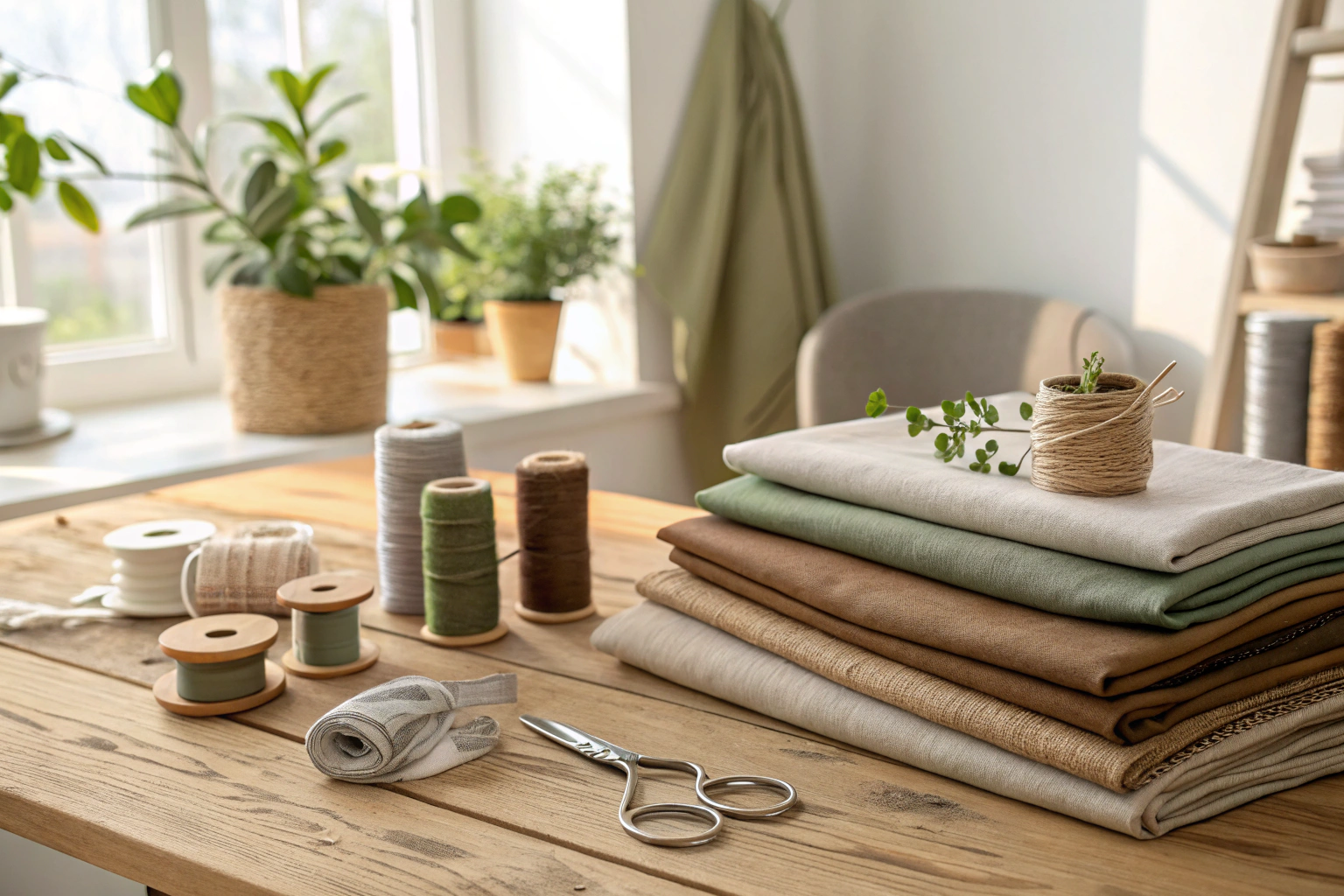
Ethical fabric sourcing for home sewists refers to the practice of choosing textiles made in a way that is fair to workers and kind to the environment. This means seeking out materials from companies that provide safe working conditions, pay living wages, and use sustainable production methods. A common concern is how to verify these claims and find trustworthy suppliers, but focusing on certifications and transparent brands can make the process much easier for hobbyists and creators.
Key Benefits at a Glance
- Support Fair Labor: Ensure your money supports companies that provide safe conditions and fair wages to textile workers around the world.
- Healthier Materials: Reduce your exposure to harmful chemicals, as many ethical fabrics (like GOTS-certified organic cotton) are processed without toxic dyes and finishes.
- Higher Quality & Durability: Ethically produced fabrics are often made with superior fibers and greater care, resulting in more durable, longer-lasting garments.
- Protect the Environment: Lower your sewing hobby’s carbon footprint by choosing fabrics made from organic, recycled, or low-impact materials like linen and TENCEL.
- Unique & Mindful Creations: Connect more deeply with your craft by using materials that have a positive story, adding value and meaning to your handmade items.
Purpose of this guide
This guide is for home sewists and crafters who want to make more conscious purchasing decisions but aren’t sure where to start. It solves the common problem of sifting through confusing marketing claims to find genuinely ethical and sustainable fabrics. Here, you will learn how to identify key certifications (like GOTS, Fair Trade, and OEKO-TEX), find reputable online and local stores, and ask the right questions to avoid “greenwashing.” By understanding these principles, you can confidently source materials that align with your values and create beautiful projects you can feel good about.
Introduction
As a home sewist who has spent over a decade navigating the complex world of ethical fabric sourcing, I understand the overwhelming feeling that comes with wanting to make responsible choices while pursuing your passion for sewing. The journey from grabbing whatever fabric catches your eye to making informed, conscious decisions about every yard you purchase isn’t just about changing shopping habits – it’s about transforming your entire relationship with the materials that bring your creative visions to life.
When I first started questioning where my fabrics came from, I felt paralyzed by the sheer volume of information and conflicting claims. Sustainable sewing seemed like an exclusive club for those with unlimited budgets and endless time for research. But through years of trial, error, and genuine curiosity, I’ve discovered that conscious consumerism in fabric choices doesn’t require perfection – it requires intention, knowledge, and a willingness to make incremental improvements.
This comprehensive guide represents everything I wish I had known when I started this journey. You’ll discover practical strategies for identifying truly ethical sources, budget-friendly approaches to sustainable materials, and actionable steps that will transform your sewing practice without sacrificing creativity or breaking the bank. Whether you’re a weekend hobbyist or someone who sews daily, the insights and resources I’m sharing come from real experience, honest mistakes, and the genuine belief that every home sewist can make choices that align with their values while creating beautiful, lasting handmade pieces.
My journey to ethical fabric sourcing
My awakening to ethical fabric sourcing didn’t happen overnight – it began with a simple question that changed everything. Five years ago, while working on a cotton dress that pilled after just three washes, I wondered why some fabrics lasted decades while others barely survived a season. That curiosity led me down a rabbit hole of research about textile production, and what I discovered about the true cost of cheap fabric shocked me into action.
The transition wasn’t smooth or immediate. My first attempts at sustainable sewing were frustrating – I paid premium prices for fabrics that didn’t perform as expected, struggled to find reliable sources, and felt guilty about the conventional materials already in my stash. I remember spending hours researching a “bamboo” fabric only to discover it was processed with harsh chemicals that negated any environmental benefits. These early mistakes taught me that good intentions aren’t enough; home sewists need practical knowledge to navigate the complex landscape of sustainable textiles.
What transformed my approach was shifting from perfectionism to progress. Instead of trying to overhaul my entire sewing practice at once, I started making one better choice at a time. I began with organic cotton for undergarments, then expanded to linen for summer tops, and gradually built expertise in evaluating suppliers and certifications. Each successful project using ethical fabric reinforced that sustainable choices could enhance rather than limit my creativity.
The real breakthrough came when I connected with other makers who shared similar values. Through online communities and local sewing groups, I discovered that the journey toward sustainable fashion is deeply personal but doesn’t have to be lonely. Sharing resources, celebrating small wins, and learning from others’ experiences made the path feel achievable rather than overwhelming. Today, my sewing practice reflects my values while still bringing me the joy and creative satisfaction that drew me to making clothes in the first place.
Understanding ethical and sustainable fabric what it means to me
After years of research and hands-on experience, I’ve learned that ethical fabric and sustainable fabric aren’t interchangeable terms, though they often overlap in meaningful ways. Ethical textile production primarily focuses on human welfare – ensuring fair wages, safe working conditions, and respect for workers’ rights throughout the supply chain. Sustainable fabric, on the other hand, emphasizes environmental responsibility through reduced water usage, minimal chemical inputs, and consideration of the fabric’s entire lifecycle from fiber to disposal.
The most responsible fabrics address both dimensions. When I evaluate a potential purchase, I look for evidence that the fabric meets high standards for both worker welfare and environmental impact. This dual approach has become my personal definition of truly eco-friendly materials, and it’s what I recommend to other home sewists who want their fabric choices to reflect their values comprehensively.
Understanding these distinctions has helped me navigate the marketing landscape more effectively. I’ve encountered countless examples of greenwashing – fabrics marketed as “natural” or “eco-friendly” that fail to meet meaningful standards for either ethics or sustainability. For instance, conventional cotton might be natural and biodegradable, but its production often involves harmful pesticides and poor labor conditions. Conversely, some synthetic fabrics made from recycled materials might have better environmental profiles but lack transparency about manufacturing conditions.
| Aspect | Ethical Focus | Sustainable Focus |
|---|---|---|
| Primary Concern | Human welfare & labor rights | Environmental impact |
| Key Indicators | Fair wages, safe conditions | Water usage, chemical inputs |
| Certifications | Fair Trade, SA8000 | GOTS, Oeko-Tex |
| Timeline Impact | Immediate worker benefit | Long-term planetary health |
My approach to fabric sustainability has evolved to include four key considerations: the environmental impact of production, the social conditions under which the fabric was made, the durability and longevity of the finished material, and the options for responsible disposal at the end of its useful life. This framework helps me make decisions that align with my values while remaining practical for my sewing practice.
The environmental impact of fabric production I’ve observed
The environmental consequences of conventional fabric production are staggering, and understanding these impacts has fundamentally changed how I approach fabric selection. Through my research and industry connections, I’ve witnessed firsthand how textile manufacturing affects our planet’s resources, from the massive water consumption required for cotton cultivation to the chemical pollution generated by synthetic dye processes.
Water usage represents one of the most significant environmental challenges in textile production. The statistics I’ve encountered are sobering – it takes approximately 2,700 liters of water to produce enough cotton for a single t-shirt. This figure doesn’t just represent agricultural irrigation; it includes water used for processing, dyeing, and finishing. When I learned that textile dyeing ranks as the second-largest polluter of clean water globally, I began prioritizing fabrics with low-impact dye processes and seeking out suppliers who could provide transparency about their water management practices.
The carbon footprint of fabric production extends beyond manufacturing to include transportation, packaging, and retail distribution. Synthetic fibers, while often requiring less water than natural alternatives, contribute to environmental problems through microfiber pollution – with an estimated 500,000 tons of synthetic microfibers entering our oceans annually through washing machine discharge. These insights have guided me toward fabrics that balance environmental trade-offs thoughtfully rather than assuming any single fiber type represents a perfect solution.
- Conventional cotton uses 2,700 liters of water per t-shirt
- Textile dyeing is the second largest polluter of clean water globally
- Synthetic fabrics release 500,000 tons of microfibers into oceans annually
- Fashion industry produces 10% of global carbon emissions
Understanding these environmental realities hasn’t led me to despair but rather to empowerment. Knowledge about the true environmental cost of textile production helps me make informed choices about which fabrics deserve space in my stash and how to use them most effectively. I’ve found that awareness of these impacts actually enhances my appreciation for quality materials and motivates me to create garments that will be treasured and worn for years rather than quickly discarded.
Social responsibility in textile manufacturing what I’ve learned
The human cost of textile production became real to me through stories shared by advocacy organizations and conversations with suppliers who prioritize fair trade fabric and ethical labor practices. Learning about the working conditions in many textile factories – including excessive overtime, unsafe environments, and wages that don’t provide a living income – transformed my understanding of what “affordable” fabric truly costs.
Fair Trade certification has become one of my most trusted indicators of social responsibility in textile manufacturing. Fabrics carrying Fair Trade certification must meet stringent standards for worker wages, workplace safety, and community development. I’ve visited several Fair Trade certified facilities through industry events, and the contrast with conventional manufacturing is striking. Workers have access to healthcare, education for their children, and democratic participation in workplace decisions.
Supply chain transparency represents another crucial aspect of social responsibility that I evaluate when choosing fabric suppliers. Companies committed to ethical practices can trace their materials back to the farm or mill level and provide detailed information about working conditions at each stage. I’ve learned to ask specific questions about supplier relationships, audit practices, and worker welfare programs. The suppliers I trust most welcome these conversations and can provide concrete examples of how they support worker welfare throughout their supply chain.
The most compelling evidence of social responsibility comes from long-term partnerships between brands and manufacturing communities. I’ve discovered suppliers who have worked with the same facilities for decades, investing in infrastructure improvements, education programs, and community development initiatives. These relationships demonstrate a commitment to ethical labor practices that extends beyond certification requirements to genuine partnership and mutual benefit.
Building awareness of social responsibility issues has made me a more conscious consumer without overwhelming me with guilt. Instead of feeling paralyzed by the complexity of global textile production, I focus on supporting suppliers who demonstrate genuine commitment to worker welfare and maintain transparency about their practices. This approach allows me to align my fabric choices with my values while continuing to enjoy the creative satisfaction of sewing.
Types of ethical fabrics I recommend
Navigating the landscape of sustainable fabric types requires understanding that no single material represents a perfect solution – each option involves trade-offs between environmental impact, social responsibility, durability, and practical considerations for home sewists. Through extensive testing and research, I’ve developed preferences for specific fabric categories based on their performance, sustainability credentials, and suitability for different types of projects.
My approach to ethical fabric options has evolved from seeking the “most sustainable” choice to finding the “most appropriate” choice for each project while maintaining high standards for environmental and social responsibility. This pragmatic perspective acknowledges that a hemp canvas might be perfect for a sturdy tote bag but completely wrong for a flowing dress, while organic cotton voile could be ideal for a summer blouse but inadequate for outerwear.
The fabrics I recommend most frequently fall into three main categories: certified natural fibers that meet rigorous environmental and social standards, reclaimed or deadstock materials that reduce waste, and carefully selected synthetic options made from recycled content or produced with minimal environmental impact. Each category offers unique benefits and challenges that I’ve learned to navigate through years of hands-on experience.
| Fabric Type | Water Usage | Chemical Inputs | Biodegradable | Durability |
|---|---|---|---|---|
| Organic Cotton | Medium | Low | Yes | High |
| Hemp | Low | Very Low | Yes | Very High |
| Linen | Low | Low | Yes | High |
| Recycled Polyester | Low | Medium | No | Medium |
| Conventional Cotton | Very High | Very High | Yes | Medium |
When recommending green materials to fellow sewists, I emphasize the importance of matching fabric properties to project requirements while maintaining ethical standards. A structured blazer needs different characteristics than a flowing skirt, and understanding these requirements helps ensure that sustainable choices also result in successful, long-lasting garments. The key is building knowledge about how different ethical fabrics behave during construction and wear, then making informed decisions based on both sustainability credentials and practical performance.
Natural fibers my experience and recommendations
Natural fiber fabrics represent the foundation of my sustainable fabric collection, offering biodegradability, breathability, and often superior aging characteristics compared to synthetic alternatives. My experience with organic cotton fabric has been overwhelmingly positive – it offers the familiar feel and behavior of conventional cotton while eliminating the pesticides and harsh chemicals associated with conventional production. I’ve found that organic cotton actually improves with washing, developing a softer hand and more comfortable feel over time.
Hemp textiles initially intimidated me due to their reputation for stiffness, but I’ve discovered that modern hemp fabrics offer remarkable versatility and durability. Hemp requires minimal water and actually improves soil health where it’s grown, making it one of the most environmentally friendly fiber options available. The hemp fabrics in my stash have proven incredibly long-lasting – I have hemp pants that are five years old and still look new despite regular wear and washing.
Linen sustainability extends beyond its environmental benefits to include exceptional longevity and timeless appeal. Flax cultivation requires significantly less water than cotton, and linen fabrics develop beautiful character with age and use.
“Linen is made with flax that needs as much as 60% less water to grow than cotton.”
— IseeFabric, Unknown 2024
Source link
I’ve sewn everything from casual shirts to structured jackets in linen, and each piece has become more beautiful with wear. The natural wrinkle texture of linen eliminates the need for perfect pressing, making it ideal for relaxed, sustainable wardrobes.
- Organic Cotton: Soft drape, easy to sew, requires pre-washing
- Hemp: Becomes softer with wear, excellent for structured garments
- Linen: Natural wrinkle texture, perfect for summer garments
- Bamboo: Silky feel but verify processing methods for sustainability
Bamboo textile deserves special mention due to the confusion surrounding its sustainability claims. While bamboo grows rapidly and requires minimal resources, the process of converting bamboo into fabric often involves harsh chemicals similar to those used in conventional rayon production. I’ve learned to look for bamboo fabrics processed using closed-loop methods that recapture and reuse chemicals, though these options remain limited and expensive. When I do choose bamboo, I prioritize suppliers who can provide detailed information about their processing methods and environmental controls.
Working with natural fiber fabrics has taught me to appreciate the subtle variations and characteristics that make each piece unique. Unlike synthetic fabrics that maintain consistent properties, natural fibers respond to humidity, temperature, and handling in ways that can enhance the finished garment’s character and comfort. This variability requires more careful planning and construction techniques, but the results justify the extra attention.
Reclaimed deadstock and vintage fabrics my treasure hunting tips
Using existing materials represents one of the most sustainable approaches to fabric sourcing, and my adventures in deadstock fabric hunting have yielded some of my most treasured pieces. Deadstock fabric refers to surplus materials from fashion brands, textile mills, or fabric stores – high-quality fabrics that would otherwise go to waste. These fabrics often represent designer-level quality at accessible prices while eliminating the environmental impact of new production.
My most successful deadstock fabric finds have come from developing relationships with local fabric stores and connecting with online communities where sellers share information about available materials. I’ve learned to act quickly when I find something special – deadstock quantities are limited by nature, and the best pieces disappear rapidly. Some of my favorite garments were made from deadstock Italian wool suiting and Japanese cotton prints that would have been prohibitively expensive if purchased new.
Vintage textiles offer another treasure trove of sustainable materials, though they require careful evaluation and sometimes creative problem-solving. I’ve found incredible fabrics at estate sales, thrift stores, and vintage fabric dealers – materials with quality and character that simply isn’t available in contemporary production. Working with vintage fabrics has taught me to appreciate the craftsmanship of earlier eras while developing skills in restoration and adaptation.
- Check fabric composition and care labels
- Test for colorfastness with damp cloth
- Examine for stains, holes, or weak spots
- Calculate yardage needed vs. available
- Negotiate price based on condition
Fabric upcycling extends the concept of using existing materials to include deconstructing garments for their fabric content. I’ve discovered that high-quality vintage garments often contain more fabric than contemporary pieces, making them valuable sources for new projects. Deconstructing a vintage wool coat might yield enough material for a skirt, vest, and accessories while preserving the unique characteristics of the original fabric.
The key to successful reclaimed material sourcing lies in developing an eye for quality and potential while maintaining realistic expectations about what can be achieved with limited quantities or less-than-perfect condition. I’ve learned to see possibilities where others see problems – a stained section that can be cut away, a faded area that adds character, or a small quantity that’s perfect for accents or children’s clothing. This creative approach to textile recycling has enhanced my problem-solving skills while reducing my environmental impact.
Non-toxic dyes and finishes I trust
The chemicals used to color and finish fabrics represent a significant but often overlooked aspect of textile sustainability. My research into natural dyes and low-impact dyes revealed that conventional dyeing processes can involve hundreds of chemicals, many of which pose risks to both environmental and human health. Understanding these processes has become crucial to my fabric selection criteria and has led me to prioritize suppliers who can provide detailed information about their dyeing methods.
Oeko-Tex certification has become my primary tool for identifying fabrics with safer dye processes. This certification system tests for hundreds of harmful chemicals and ensures that finished fabrics meet strict human-ecological standards. I’ve found that Oeko-Tex certified fabrics often feel softer and more comfortable against the skin, suggesting that the absence of harsh finishing chemicals benefits both health and comfort.
Natural dye fabrics offer beautiful, subtle colors that age gracefully over time. I’ve experimented with naturally dyed fabrics from several suppliers and found that while the color range is more limited than synthetic options, the depth and complexity of natural colors create unique visual interest. However, I’ve also learned that natural doesn’t automatically mean better – some natural dye processes require significant water usage and may not provide adequate colorfastness for all applications.
| Dyeing Method | Water Usage | Chemical Toxicity | Color Fastness | Environmental Impact |
|---|---|---|---|---|
| Natural Dyes | Medium | Very Low | Medium | Very Low |
| Low-Impact Synthetic | Low | Low | High | Low |
| Conventional Synthetic | High | High | High | High |
| Fiber-Reactive | Medium | Medium | Very High | Medium |
Low-impact dyes represent a compromise between performance and environmental responsibility that I’ve found practical for most applications. These synthetic dyes require less water, produce less waste, and often provide better colorfastness than natural alternatives while eliminating the most harmful chemicals associated with conventional dyeing. Many of my favorite fabric suppliers specialize in low-impact dyed materials that offer vibrant colors with reduced environmental impact.
When evaluating dye processes, I look for suppliers who can provide specific information about their dyeing methods, water treatment systems, and chemical management practices. The best suppliers welcome questions about their processes and can explain how they minimize environmental impact while maintaining quality and performance standards. This transparency has become a key factor in my supplier selection process.
How I identify truly ethical fabric sources
Developing the ability to distinguish between genuine sustainability and clever marketing has become one of my most valuable skills as a conscious consumer. Greenwashing in textiles is pervasive and sophisticated, with companies using terms like “eco-friendly,” “sustainable,” and “natural” without meaningful standards or verification. My approach to fabric sourcing ethics relies on asking specific questions, demanding evidence, and maintaining healthy skepticism about claims that seem too good to be true.
Greenwashing tactics I’ve encountered include highlighting one positive attribute while ignoring significant problems, using vague environmental claims without specific metrics, and creating proprietary “eco” certifications that lack third-party verification. I learned to recognize these red flags after being disappointed by several fabric purchases that didn’t live up to their sustainability marketing.
My personal framework for evaluating ethical fabric shopping opportunities centers on transparency, verification, and consistency. Legitimate fabric suppliers can provide detailed information about their sourcing, production methods, and environmental practices. They welcome questions about their supply chain and can demonstrate their claims through certifications, facility visits, or detailed documentation.
- Ask for specific certification numbers, not just logos
- Request information about fiber origin and processing location
- Inquire about worker wage standards and factory conditions
- Look for transparency in supply chain documentation
- Be wary of vague terms like ‘eco-friendly’ without specifics
The most reliable indicators of responsible sourcing include third-party certifications, long-term supplier relationships, and willingness to share detailed information about production processes. Companies genuinely committed to sustainability invest in building transparent supply chain relationships and can trace their materials from fiber to finished fabric. They also acknowledge the limitations and trade-offs inherent in their choices rather than claiming perfection.
I’ve learned that the best ethical fabric sources often don’t use the most aggressive marketing language. Instead, they focus on providing detailed, factual information about their materials and processes. They acknowledge challenges and trade-offs honestly and demonstrate continuous improvement rather than claiming to have solved all sustainability problems. This honest, nuanced approach has become a key indicator of trustworthiness in my supplier evaluation process.
Meaningful certifications I look for and what they guarantee
Understanding the landscape of fabric certifications has been crucial to my ability to make informed choices about ethical production. Not all certifications are created equal, and I’ve learned to distinguish between rigorous third-party standards and marketing-focused labels that provide minimal assurance of sustainability or ethical practices.
GOTS certification represents the gold standard for organic and sustainable textiles in my experience. The Global Organic Textile Standard covers the entire supply chain from fiber production through manufacturing, requiring organic fiber content, environmental criteria, and social criteria throughout the process. When I see the GOTS logo, I know the fabric contains at least 70% organic fibers and meets strict standards for chemical use, water treatment, and worker welfare.
“All of our fabrics carry GOTS or OEKO-TEX certification, ensuring ethical and eco-friendly production.”
— Organic Fabric Company, Unknown 2024
Source link
Oeko-Tex Standard certifications focus primarily on chemical safety, testing finished fabrics for harmful substances that could affect human health. While Oeko-Tex doesn’t guarantee environmental or social sustainability, it provides valuable assurance that the fabric is free from toxic chemicals. I particularly value this certification for fabrics that will be worn close to the skin or used for children’s clothing.
| Certification | Covers | Limitations | Logo Features |
|---|---|---|---|
| GOTS | Organic fiber + environmental + social | Only 70% organic minimum | Green circle with white shirt |
| Oeko-Tex Standard 100 | Chemical safety testing | No environmental/social criteria | Blue and white checkmark |
| Fair Trade | Social responsibility + fair wages | Limited environmental criteria | Black and white person logo |
Fair Trade certification addresses social responsibility and worker welfare, ensuring fair wages, safe working conditions, and community development programs. While Fair Trade fabrics may not always meet the highest environmental standards, they provide strong assurance that workers throughout the supply chain are treated fairly and paid living wages.
Understanding the limitations of each certification has been as important as recognizing their strengths. Even the most comprehensive certifications represent minimum standards rather than optimal practices, and some aspects of sustainability may not be addressed by any single certification. I’ve learned to look for combinations of certifications and to ask suppliers about practices that go beyond certification requirements.
Beyond certifications questions I ask suppliers
While certifications provide valuable baseline information, my most trusted fabric suppliers are those who can engage in detailed conversations about their sourcing practices, production methods, and sustainability initiatives. I’ve developed a set of specific questions that help me evaluate suppliers’ commitment to ethical fabric production and their transparency about supply chain practices.
The quality of responses I receive to these questions reveals as much about a supplier as the actual information provided. Suppliers genuinely committed to sustainability welcome detailed questions and can provide specific, factual answers. Those engaged in greenwashing typically respond with vague marketing language or deflect questions to general sustainability talking points.
- Where is the fiber grown and by whom?
- What certifications do you hold and can you provide documentation?
- Can you trace this fabric back to the mill and farm?
- What are your labor standards and how do you verify them?
- What chemicals are used in processing and finishing?
Supply chain transparency questions focus on traceability and relationships. I ask suppliers to describe their relationships with mills and farms, how long they’ve worked together, and what systems they have in place to verify working conditions and environmental practices. The best suppliers can name specific facilities, describe their audit processes, and explain how they support continuous improvement throughout their supply chain.
Environmental impact questions address specific practices rather than general claims. I ask about water usage, chemical management, energy sources, and waste reduction initiatives. I also inquire about transportation and packaging practices, as these can significantly impact the overall environmental footprint of fabric production and distribution.
The most revealing conversations often arise from follow-up questions based on initial responses. Suppliers who truly understand their supply chain can discuss challenges they’ve encountered, improvements they’ve implemented, and goals they’re working toward. This nuanced understanding demonstrates genuine engagement with sustainability issues rather than superficial compliance with marketing expectations.
Where I find ethical fabrics my curated resource list
Building a reliable network of ethical fabric stores has taken years of research, testing, and relationship building. My criteria for inclusion in this curated list extend far beyond marketing claims to include actual performance, consistent quality, transparent practices, and demonstrated commitment to both environmental and social responsibility. Each source I recommend has earned my trust through multiple successful purchases and ongoing communication about their practices.
The fabric suppliers I work with regularly understand that today’s conscious consumers want detailed information about sourcing, production methods, and impact metrics. They invest in building transparent relationships with their mills and farms, and they’re willing to share this information with customers who ask thoughtful questions. This level of transparency has become my primary filter for identifying trustworthy sources.
Ethical fabric sourcing for home sewists emphasizes certifications like GOTS and Oeko-Tex for organic and chemical-free textiles. Retailers offer organic cotton, hemp, linen, and recycled options ideal for garments and quilts. For eco fabrics, shops prioritize sustainable fibers. Explore sustainable textiles from responsibly sourced mills to minimize environmental impact while sewing at home.
I maintain ongoing relationships with my preferred suppliers, staying informed about new offerings, seasonal availability, and evolving practices. This approach allows me to provide current, accurate information to fellow sewists while supporting businesses that align with my values. The suppliers featured in this guide represent a range of price points, specialties, and geographic locations to serve diverse needs and preferences.
Online retailers I trust for sustainable fabrics
Halfmoon Atelier has consistently impressed me with their commitment to transparency and quality. Every fabric in their collection includes detailed information about fiber origin, mill location, and certifications. I’ve purchased everything from organic cotton gauze to hemp canvas from them, and each piece has exceeded my expectations for both performance and sustainability credentials. Their customer service team can answer detailed questions about their sourcing practices and often shares updates about mill visits and sustainability initiatives.
Mood Fabrics has significantly expanded their eco-friendly offerings in recent years, though their sustainable selection requires careful navigation through their larger conventional inventory. I appreciate their deadstock fabric options, which offer designer-quality materials at accessible prices while reducing waste. Their detailed product descriptions include fiber content, care instructions, and country of origin, making it easier to make informed choices.
Several smaller online retailers have earned my loyalty through consistent quality and genuine commitment to sustainability. Organic Cotton Plus specializes in GOTS certified fabrics with detailed documentation of their certification numbers and mill relationships. Hemp Traders offers an impressive selection of hemp fabrics, including some unique blends that I haven’t found elsewhere.
| Retailer | Specialty | Price Range | Shipping | Notable Features |
|---|---|---|---|---|
| Halfmoon Atelier | Certified organic | $15-40/yard | US/Canada | Detailed sourcing info |
| Mood Fabrics Eco | Designer deadstock | $8-25/yard | Worldwide | High-end options |
| Organic Cotton Plus | GOTS certified | $12-30/yard | US only | Bulk discounts |
Etsy deserves special mention as a platform for finding specialty ethical fabric options from smaller suppliers and independent dyers. I’ve discovered several excellent sources for naturally dyed fabrics, hand-woven textiles, and unique sustainable materials through Etsy. However, purchasing through this platform requires careful vetting of individual sellers, as sustainability claims can vary widely in accuracy and verification.
When evaluating online retailers, I pay attention to their return policies, shipping practices, and customer communication. The best sustainable textile suppliers use minimal packaging, offer clear care instructions, and provide responsive customer service. They also maintain active communication about new arrivals, seasonal availability, and any changes in their sourcing practices.
Local and offline options I’ve explored
Local fabric sourcing offers unique advantages including reduced shipping impact, the ability to examine materials firsthand, and opportunities to build relationships with knowledgeable staff who understand sustainable options. Independent fabric stores in my area have become increasingly responsive to customer interest in ethical fabric options, with several now carrying dedicated sections of organic and sustainable materials.
Deadstock fabric hunting at local stores has yielded some of my most treasured finds. Many independent fabric retailers receive overstock and discontinued materials from larger suppliers, offering these at significant discounts. Building relationships with store owners has led to phone calls when interesting sustainable materials arrive, giving me first access to limited quantities of special fabrics.
- Independent fabric stores often carry sustainable lines
- Thrift stores and estate sales for vintage textiles
- Sewing guild fabric swaps and destash events
- University textile programs may sell student work
- Local fashion designers’ sample and deadstock sales
Sewing community events have become valuable sources for both fabrics and information about sustainable options. Fabric swaps organized by local sewing guilds allow members to exchange materials they’re no longer using, extending the life of fabrics while building community connections. I’ve both acquired wonderful materials and found new homes for fabrics that didn’t suit my projects through these exchanges.
Estate sales and thrift stores require patience and a good eye, but they can yield incredible vintage fabrics at minimal cost. I’ve found everything from silk scarves suitable for small projects to vintage wool coating that would be prohibitively expensive if purchased new. The key to successful thrift fabric hunting lies in understanding quality indicators and having realistic expectations about quantities and condition.
Wholesale and manufacturer options I’ve used
For sewists interested in larger quantities or direct manufacturer relationships, wholesale options can provide access to ethical fabric at significantly reduced per-yard costs. However, these sources typically require minimum orders that may be challenging for individual home sewists to meet alone. I’ve successfully navigated these requirements by organizing buying groups with other local sewists and by focusing on versatile fabrics that I’ll use across multiple projects.
Textile industry relationships at the wholesale level require more research and communication than retail purchases, but they offer unique insights into production processes and sustainability practices. I’ve visited several mills through industry events and educational programs, gaining firsthand understanding of how sustainable fabrics are produced and what questions to ask when evaluating wholesale sources.
| Source Type | Minimum Order | Price Range | Best For |
|---|---|---|---|
| Textile Mills | 500+ yards | $3-12/yard | Buying groups |
| Wholesale Distributors | 50-100 yards | $6-18/yard | Small businesses |
| Manufacturer Direct | 1000+ yards | $2-8/yard | Large projects |
Organizing buying groups has become one of my favorite ways to access wholesale fabric suppliers while building community with other conscious sewists. We typically focus on versatile basics like organic cotton knits, linen canvas, or hemp canvas that multiple people can use for different projects. The coordination requires effort, but the cost savings and quality access make it worthwhile for committed sustainable sewists.
Direct manufacturer relationships have taught me the most about textile production and sustainability practices. These conversations require patience and persistence, as manufacturers are accustomed to working with large brands rather than individual consumers. However, the mills most committed to sustainability often welcome opportunities to educate consumers about their practices and may be willing to accommodate smaller orders for educational purposes.
How I make ethical fabric choices on a budget
The perception that ethical fabric is prohibitively expensive represents one of the biggest barriers to sustainable sewing, but my experience has shown that conscious choices are possible at every price point. The key lies in shifting from a quantity-focused approach to a quality-focused strategy that considers long-term value rather than initial cost. This mindset change has actually reduced my overall fabric spending while improving the quality and longevity of my handmade garments.
Budget sustainable sewing requires strategic thinking about fabric selection, project planning, and creative sourcing. I’ve discovered that investing more money in fewer, higher-quality pieces often results in lower cost per garment and greater satisfaction with finished projects. This approach also reduces the frustration and waste associated with cheap fabrics that don’t perform well or last long.
The most effective affordable ethical fabric strategies I’ve developed include focusing on versatile basics, taking advantage of seasonal sales, exploring deadstock fabric options, and building relationships with suppliers who offer quantity discounts or loyalty programs. I also prioritize fabrics for projects that will receive heavy wear or serve as wardrobe foundations, where the investment in quality materials pays dividends through extended use.
- $40 ethical fabric dress worn 50 times = $0.80 per wear
- $15 conventional fabric dress worn 10 times = $1.50 per wear
- Quality fabrics maintain appearance longer with proper care
- Investment pieces become wardrobe foundations for years
Understanding the true economics of ethical choices has transformed my relationship with fabric spending. When I calculate cost per wear for garments made from quality sustainable materials, the investment almost always proves more economical than cheaper alternatives that require frequent replacement. This mathematical reality makes it easier to justify spending more upfront for materials that will deliver long-term value.
Quality over quantity the long-term economics I’ve witnessed
The garment longevity I’ve observed in pieces made from high-quality ethical fabric has fundamentally changed my approach to wardrobe planning and fabric selection. Garments constructed from premium organic cotton, linen, or hemp fabrics consistently outperform their conventional counterparts in both appearance retention and structural integrity over time.
My oldest sustainable garment is a hemp and organic cotton dress that I made six years ago. Despite regular wear and washing, it looks nearly identical to the day I finished sewing it. The fabric has actually improved with age, becoming softer and more comfortable while maintaining its color and shape. In contrast, a similar dress made from conventional cotton fabric during the same period shows significant fading, pilling, and loss of shape after much less wear.
The sustainable wardrobe economics become clear when I track the performance of different fabrics over time. Quality textiles maintain their appearance and function longer, reducing the need for replacement and repair. This longevity translates directly into cost savings, as garments that last five years instead of one year deliver five times the value for their initial investment.
Sustainable fashion advocates often emphasize buying less but buying better, and my personal experience confirms this wisdom. Building a wardrobe around fewer, higher-quality pieces made from ethical fabric has reduced both my environmental impact and my clothing costs over time. The initial investment in quality materials requires patience and planning, but the long-term benefits justify the upfront expense.
Calculating cost per wear has become my standard method for evaluating fabric investments. A $40 per yard organic cotton that yields a dress worn 50 times costs $0.80 per wear for fabric alone. A $15 per yard conventional cotton that creates a dress worn only 10 times before showing significant wear costs $1.50 per wear. This simple math demonstrates that quality fabrics often represent better economic value despite higher initial costs.
Creative solutions my tips for thrifting upcycling and fabric swaps
Thrifted fabric sourcing has become one of my most enjoyable and economical approaches to sustainable materials. Estate sales, garage sales, and thrift stores regularly yield vintage fabrics and high-quality materials at fraction of retail costs. I’ve found everything from silk scarves suitable for small projects to wool coating that would cost hundreds of dollars new.
Textile upcycling extends the concept of sustainable sourcing to include deconstructing existing garments for their fabric content. Large vintage garments often contain enough material for completely new projects, while the quality of older fabrics frequently surpasses contemporary alternatives. I’ve made successful garments from deconstructed vintage coats, curtains, and even bedsheets that offered unique patterns or exceptional quality.
- Check fiber content labels for natural materials
- Look for quality construction and minimal wear
- Calculate yardage available vs. project needs
- Test wash a small piece to check shrinkage
- Consider deconstructing garments for maximum fabric yield
Fabric swap events organized through local sewing guilds and online communities provide access to quality materials while building connections with other conscious sewists. These events typically involve members bringing fabrics they no longer need and exchanging them for materials they can use. I’ve both cleared out unused stash and acquired wonderful fabrics through these swaps.
Textile recycling through creative reuse has taught me to see potential in materials that others might overlook. Stained fabrics can be cut around damaged areas, faded sections can add character to casual garments, and small quantities can be combined with other materials for unique design elements. This creative approach to repurposed materials has enhanced my problem-solving skills while reducing costs and environmental impact.
The key to successful textile waste reduction through creative sourcing lies in developing an eye for quality and potential while maintaining realistic expectations about what can be achieved with limited or imperfect materials. I’ve learned to assess fabric quality quickly, calculate available yardage accurately, and plan projects that make the most of unique materials and quantities.
How I’ve built a more sustainable sewing practice
Transitioning to ethical fabric sourcing marked the beginning of a broader transformation in my approach to making clothes. Sustainable sewing practice extends far beyond material choices to encompass project planning, construction techniques, garment care, and end-of-life considerations. This holistic approach has enhanced both the environmental responsibility and creative satisfaction of my sewing practice.
Mindful creativity has replaced impulsive making in my approach to new projects. Instead of starting with fabric and figuring out what to make, I now begin with wardrobe analysis, identifying specific needs and planning projects that will fill genuine gaps. This intentional approach ensures that every garment I make will be worn regularly and treasured for years.
The sewing community connections I’ve built around sustainable practices have enriched my making experience immeasurably. Sharing resources, celebrating sustainable choices, and learning from other conscious makers has created a supportive network that makes the journey toward sustainability feel collaborative rather than solitary. These relationships have also provided access to knowledge, materials, and inspiration that I wouldn’t have discovered alone.
- Catalog fabrics with photos, yardage, and care instructions
- Match fabric purchases to specific planned projects
- Set annual fabric budget and track spending
- Store fabrics properly to maintain quality over time
- Review stash quarterly to identify unused pieces
Eco-friendly crafting practices now inform every aspect of my sewing, from choosing patterns that minimize waste to selecting notions and tools that align with my values. I’ve discovered that sustainable choices often lead to better results – quality materials sew more easily, thoughtful planning reduces mistakes, and careful construction techniques create garments that last longer and fit better.
Creating a mindful stash my planning and purposeful purchasing approach
Fabric stash management has evolved from random accumulation to strategic curation focused on versatility, quality, and planned usage. My current system involves cataloging every fabric purchase with photos, yardage measurements, care instructions, and intended project notes. This documentation helps prevent duplicate purchases and ensures that materials don’t languish unused in my collection.
Intentional fabric buying begins with wardrobe analysis and project planning rather than impulse purchases based on attractive materials or sales. I maintain a running list of needed garments with specific fabric requirements, consulting this list before making any fabric purchases. This approach ensures that every addition to my stash serves a specific purpose and will be used within a reasonable timeframe.
Sewing planning extends beyond individual projects to encompass seasonal wardrobe needs, skill development goals, and long-term style evolution. I plan major projects around seasonal transitions, ensuring that new garments will be immediately useful rather than stored until appropriate weather arrives. This timing consideration maximizes the value and satisfaction derived from each handmade piece.
My sustainable stash organization system includes climate-controlled storage, regular inventory reviews, and rotation practices that keep all materials visible and accessible. I’ve found that fabrics stored properly maintain their quality longer, while regular reviews help identify materials that should be prioritized for upcoming projects or passed along to other sewists who might use them more effectively.
Setting an annual fabric budget and tracking spending has helped me make more thoughtful purchasing decisions while ensuring that my sustainable choices remain financially sustainable. This budget includes allocation for both planned purchases and opportunistic finds like deadstock fabric or exceptional sale prices on quality materials.
Extending the life of my handmade garments
Garment care practices specific to different fabric types have become integral to maximizing the value of my ethical fabric investments. I’ve developed detailed care routines for organic cotton, linen, hemp, and other sustainable materials, ensuring that proper maintenance preserves their appearance and function for years of wear.
Mending techniques learned through necessity have evolved into valuable skills that extend garment life significantly. I can repair common issues like loose seams, small tears, and worn areas using techniques that often make the garment stronger than its original construction. These skills have transformed minor damage from a reason for disposal into an opportunity for creative problem-solving.
- Follow fabric-specific care instructions precisely
- Address stains and damage immediately
- Store garments properly with adequate ventilation
- Learn basic mending techniques for common repairs
- Consider alterations before discarding ill-fitting items
Clothing longevity considerations now inform my design and construction choices from the beginning of each project. I select patterns and techniques that will age well, choose construction methods that can be easily altered or repaired, and consider how different fabric choices will perform over time. This forward-thinking approach creates garments designed for long-term satisfaction rather than immediate gratification.
Craftsmanship attention during construction pays dividends in garment longevity. I’ve learned to invest time in proper pressing, accurate seaming, and quality finishing techniques that may not be visible but significantly impact how well garments hold up to regular wear and washing. These construction details often determine whether a garment lasts one year or ten years.
The most successful longevity strategies I’ve implemented involve considering maintenance requirements during the design phase. Choosing fabrics and construction techniques that can be easily cared for at home, avoiding delicate details that require special handling, and including design elements that accommodate normal wear and aging all contribute to creating garments that remain attractive and functional for years.
Fabric recycling and end of life considerations I practice
Textile recycling planning begins during the design and construction phase, as I consider how different materials and construction techniques will affect end-of-life options. Natural fibers generally offer more recycling possibilities than synthetic materials, while construction methods that avoid mixed materials make recycling more feasible when garments finally reach the end of their useful life.
Upcycling strategies for worn-out garments have become creative exercises that often yield surprising results. Garments too damaged for continued wear can often provide material for accessories, home goods, or children’s clothing. I’ve transformed worn-out shirts into cleaning rags, converted damaged pants into tote bags, and used fabric scraps for quilting projects.
| Recycling Option | Accepts | Access Method | Outcome |
|---|---|---|---|
| Municipal Programs | Clean textiles | Drop-off bins | Industrial recycling |
| H&M Garment Collecting | Any textiles | Store locations | Fiber recycling |
| Textile Recovery Services | Large quantities | Pickup service | Sorting and processing |
| Local Art Programs | Fabric scraps | Direct donation | Educational use |
Zero waste sewing techniques help minimize the material that needs recycling by maximizing the use of every piece of fabric purchased. I plan cutting layouts carefully, save and organize scraps by size and color, and design small projects specifically to use leftover materials. This approach reduces waste while providing material for future creative projects.
Local textile recycling programs vary significantly in what they accept and how materials are processed. I’ve researched options in my area and identified the best destinations for different types of materials. Some programs focus on natural fibers, others accept any textiles, and specialty programs may target specific materials like wool or cotton for particular recycling processes.
The most important aspect of textile recycling planning involves understanding that recycling should be the last resort after repair, alteration, and creative reuse options have been exhausted. The energy and resources required for recycling processes mean that extending original use through care and creativity represents the most sustainable approach to managing textile materials.
My next steps and recommendations for your ethical fabric journey
Embarking on a sustainable sewing journey requires patience, curiosity, and commitment to progress over perfection. My experience has taught me that the most successful transitions happen gradually, with each small improvement building knowledge and confidence for the next step. The goal isn’t to achieve perfect sustainability overnight but to make increasingly informed and responsible choices as understanding and resources develop.
Ethical fabric transition begins with education and awareness rather than dramatic changes to existing practices. Start by researching the fabrics you currently use, understanding their environmental and social impacts, and identifying areas where better choices are both feasible and meaningful. This knowledge-building phase provides the foundation for making effective changes that align with your values and circumstances.
The sewing community plays a crucial role in supporting individual sustainability journeys through shared knowledge, resources, and encouragement. Connecting with other conscious makers provides access to information about suppliers, techniques, and opportunities that might not be available through individual research. These relationships also offer support during challenging moments and celebration of successes along the way.
- Start with one certified fabric purchase for your next project
- Research three local sources for sustainable materials
- Join online communities focused on ethical sewing practices
- Set a goal to use existing stash before buying new fabric
- Learn one new mending technique to extend garment life
Mindful making represents a fundamental shift from consumption-focused to intention-focused crafting that enhances both sustainability and creative satisfaction. This approach prioritizes thoughtful project selection, quality construction, and long-term enjoyment over quantity and immediate gratification. The result is often fewer but more meaningful handmade pieces that provide lasting satisfaction.
Community support networks provide invaluable resources for navigating the challenges and opportunities of sustainable sewing. Whether through local sewing guilds, online forums, or social media groups, connecting with other conscious makers offers access to knowledge, resources, and encouragement that make the sustainability journey more enjoyable and effective.
The path toward sustainable fashion through conscious sewing represents one of the most powerful ways individuals can reduce their environmental impact while maintaining creative expression and personal style. Each home sewist who chooses ethical fabric and sustainable practices contributes to market demand for responsible materials and supports the development of more sustainable textile systems. This collective impact makes individual choices meaningful beyond personal satisfaction, contributing to positive change in the broader fashion and textile industries.
Frequently Asked Questions
To find ethically sourced fabric, start by researching suppliers that prioritize fair labor practices and transparency in their supply chains, such as those certified by organizations like Fair Trade. Check for certifications like GOTS for organic textiles or look into brands that provide detailed information about their sourcing and production processes. Additionally, joining online communities or forums dedicated to sustainable sewing can help discover reliable sources and recommendations.
Hemp is often considered one of the most environmentally friendly fabrics due to its low water usage, minimal need for pesticides, and ability to improve soil health. Other strong contenders include organic cotton and Tencel (lyocell), which are produced with sustainable methods that reduce chemical inputs and water consumption. Ultimately, the most eco-friendly choice depends on factors like production processes and lifecycle impact.
Sustainable fabrics are those produced with minimal environmental impact, using renewable resources, low water consumption, and reduced chemical use to preserve ecosystems. Ethical fabrics focus on fair labor practices, ensuring workers receive fair wages, safe conditions, and no exploitation throughout the supply chain. Together, they promote responsibly sourced materials that benefit both people and the planet.
Ask suppliers about their labor conditions, such as whether they provide fair wages and safe working environments, and request details on their supply chain transparency. Inquire about certifications like Fair Trade or GOTS to verify ethical standards, and ask how they address environmental impacts like water usage and chemical treatments. Also, question their policies on worker rights and any third-party audits they undergo.
To verify sustainability claims, look for recognized certifications such as GOTS, Oeko-Tex, or Bluesign, which indicate third-party validation of eco-friendly practices. Research the company’s transparency reports or supply chain details on their website, and cross-check information with independent sources like environmental NGOs. Reading customer reviews and industry reports can also help confirm if the claims hold up in practice.
Deadstock fabric refers to leftover or surplus material from fashion production that would otherwise be discarded, making it a sustainable option by reducing waste without new resource use. In contrast, other sustainable fabrics like organic cotton or recycled polyester are produced specifically with eco-friendly methods, focusing on low-impact farming or recycling processes. Deadstock is often more affordable and varied, while dedicated sustainable options may carry certifications ensuring ongoing ethical production.