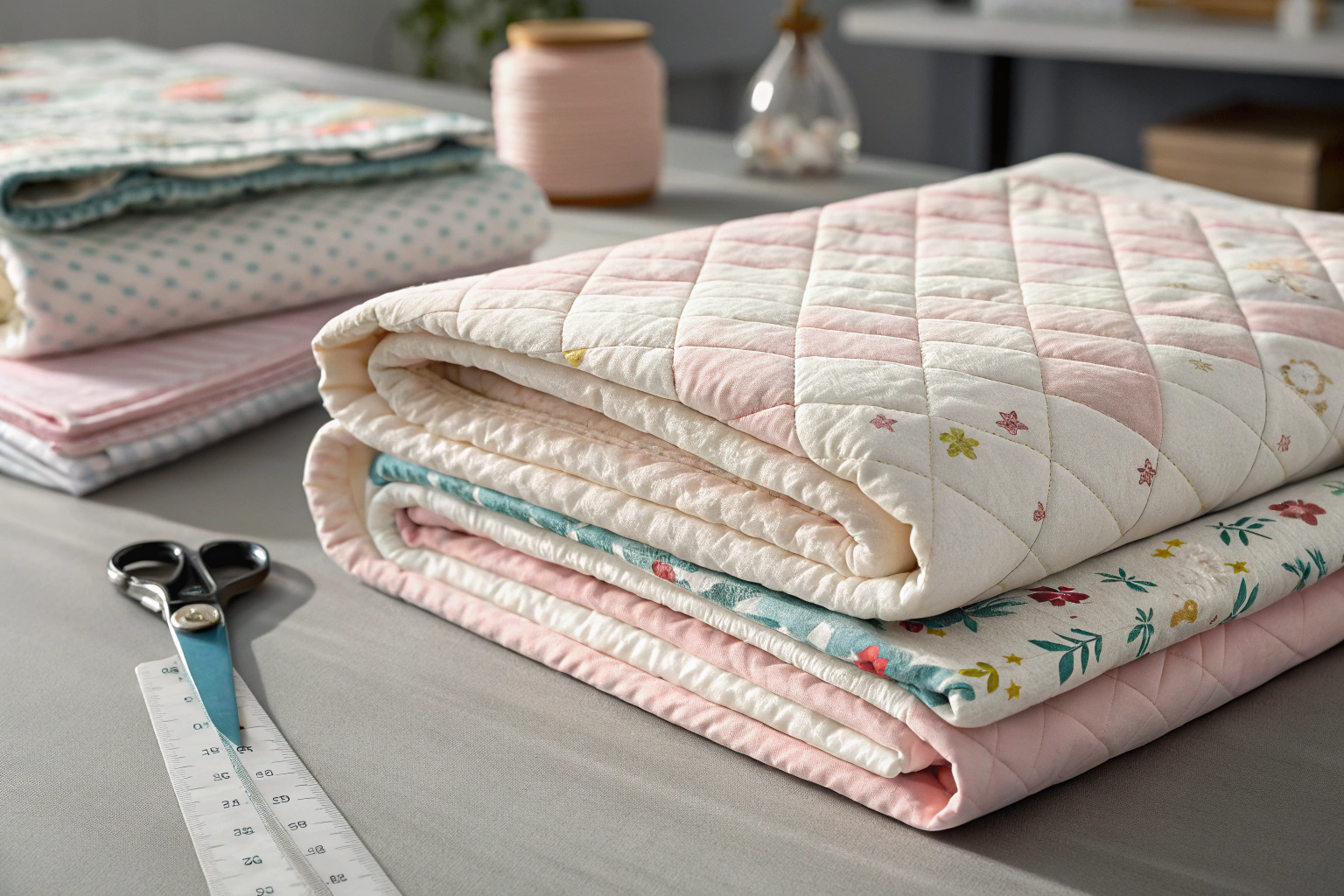
Baby quilt ideas refer to creative designs, patterns, and themes used to craft a handmade blanket for an infant or toddler. These concepts can range from simple patchwork squares using pre-cut fabric to intricate appliqué scenes featuring animals, letters, or nature motifs. The primary goal is to inspire a design that is not only visually appealing but also safe, durable, and personal, often becoming a cherished family heirloom that provides comfort and warmth.
Key Benefits at a Glance
- Create a Safer Keepsake: Focus on design choices that avoid choking hazards like buttons or loose ribbons, ensuring the quilt is safe for unsupervised crib time.
- Save Time and Money: Choose simple, beginner-friendly patterns like charm pack squares or large blocks to reduce fabric waste and complete your project faster.
- Craft a Meaningful Gift: Incorporate personalized elements like an embroidered name, birth date, or fabric from special clothing to make a one-of-a-kind heirloom.
- Design a Versatile Theme: Opt for timeless patterns or color schemes, such as modern geometrics or gentle woodland creatures, that remain appealing as the baby grows.
- Use Sustainable Materials: Get ideas for upcycling old baby clothes, swaddles, or fabric scraps to create a sentimental memory quilt that is also eco-friendly.
Purpose of this guide
This guide is for anyone looking to create a baby quilt, from absolute beginners seeking simple projects to experienced quilters searching for fresh inspiration. It solves the common problem of deciding on a design that is both beautiful and practical for a baby. You will learn how to choose appropriate themes, select baby-safe materials, and find patterns suited to your skill level. By highlighting common mistakes like choosing unsafe embellishments, this guide helps you confidently craft a durable, washable, and cherished gift.
Understanding baby quilt basics
Creating a baby quilt is one of the most rewarding projects in quilting, combining practical functionality with heartfelt sentiment. Unlike standard quilts designed for adult beds, baby quilts require special consideration for safety, size, and durability. These miniature masterpieces serve multiple purposes – from providing warmth in cribs to creating cozy play spaces on the floor.
- Baby quilts require softer, safer materials than standard quilts
- Size considerations depend on intended use (crib, stroller, play)
- Frequent washing demands durable construction techniques
- Safety certifications matter more than decorative elements
The fundamental difference between baby quilts and their adult counterparts lies in their specialized requirements. Baby quilts must withstand frequent washing cycles while maintaining their softness and structural integrity. The fabrics need to be breathable to prevent overheating, hypoallergenic to protect sensitive skin, and free from harmful chemicals that could affect developing respiratory systems.
| Baby Quilt Feature | Standard Quilt | Baby Quilt |
|---|---|---|
| Size | 60×80+ inches | 30×50 inches |
| Fabric Weight | Medium to Heavy | Lightweight |
| Safety Requirements | None | Non-toxic, breathable |
| Washing Frequency | Occasional | Frequent |
| Durability Needs | Moderate | High |
When I first started making baby quilts fifteen years ago, I learned these distinctions the hard way. A beautiful quilt I'd created using decorative threads and delicate fabrics fell apart after just three washes. That experience taught me that baby quilts demand a different approach – one that prioritizes function alongside beauty.
Choosing the right fabrics and materials
Fabric selection forms the foundation of any successful baby quilt project. Cotton remains the gold standard for baby quilts due to its natural breathability, durability, and ease of care. When choosing cotton fabrics, look for those with tight weaves that won't snag easily and colors that won't fade with repeated washing.
Always prewash your fabric before cutting quilt pieces—this prevents uneven shrinkage after the first wash, which can distort blocks or cause puckering in seams.
- Always pre-wash fabrics to prevent shrinkage
- Look for Oeko-Tex Standard 100 certification
- Choose batting weight appropriate for climate
- Test fabric softness against your cheek before purchasing
Flannel offers exceptional softness but requires careful consideration for long-term use. While babies love the cozy texture, flannel tends to pill with heavy washing and may become less attractive over time. For parents planning to use quilts daily, I often recommend combining flannel with cotton or using flannel only for backing fabric.
| Fabric Type | Pros | Cons |
|---|---|---|
| 100% Cotton | Breathable, durable, easy care | Can shrink if not pre-washed |
| Cotton Flannel | Extra soft, warm | Pills with heavy use |
| Organic Cotton | Chemical-free, hypoallergenic | Higher cost, limited colors |
| Cotton Blends | Wrinkle-resistant | Less breathable than pure cotton |
Batting selection significantly impacts the quilt's warmth, weight, and drape. Cotton batting provides excellent breathability and becomes softer with each wash, making it ideal for year-round use. Polyester batting offers more loft and warmth but can trap heat, making it better suited for cooler climates or winter use.
Organic fabrics appeal to health-conscious parents but come with trade-offs. While they eliminate concerns about chemical treatments, organic options typically cost more and offer limited color selections. The investment often proves worthwhile for families with allergies or chemical sensitivities.
I learned about fabric durability when a client's quilt made with low-quality cotton began showing wear after just six months of regular use. Since then, I've insisted on higher-grade fabrics that maintain their integrity through countless wash cycles. The initial investment in quality materials always pays off in longevity and continued beauty.
Baby quilt sizes and dimensions
Understanding appropriate dimensions ensures your baby quilt serves its intended purpose effectively. Different sizes suit different needs, from tiny receiving blankets perfect for newborn swaddling to larger play mats that accommodate growing toddlers.
“Multi-Use: quilts can range from 36″x 36″ to 50″x50″ (and they can be square or rectangular within those measurements) Crib: roughly 36″ x 52″”
— Cotton and Joy, Unknown 2024
Source link
| Quilt Type | Dimensions | Best Use | Age Range |
|---|---|---|---|
| Receiving Blanket | 36×36 inches | Swaddling, car seat | 0-6 months |
| Crib Quilt | 30×50 inches | Crib sleeping | 0-2 years |
| Stroller Quilt | 30×40 inches | Travel, stroller | 0-3 years |
| Play Mat | 40×40 inches | Tummy time, floor play | 0-12 months |
| Toddler Quilt | 40×60 inches | Toddler bed | 2-5 years |
Crib quilts represent the most popular size for good reason. At approximately 30×50 inches, they fit standard cribs while providing adequate coverage without creating safety hazards. This size works well for both decorative display and practical use during supervised tummy time.
Stroller quilts offer excellent versatility for active families. Their compact 30×40 inch dimensions make them perfect for travel, car seats, and outdoor adventures. Many parents tell me these become their most-used quilts because of their portability and manageable washing size.
The feedback I've received over the years consistently shows that 40×40 inch play mats prove most valuable for daily use. This size provides ample space for babies to explore while remaining easy to wash and store. Parents appreciate having a clean, soft surface for floor activities that's specifically designed for their baby.
When planning quilt dimensions, consider the recipient's lifestyle. Urban families with small living spaces often prefer smaller, multi-purpose quilts, while families with dedicated nurseries may want larger display pieces that can transition to toddler use.
Simple baby quilt patterns for beginners
Beginning quilters often feel overwhelmed by complex patterns, but baby quilts offer the perfect opportunity to build confidence with manageable projects. The smaller scale means faster completion times and less investment in materials, making them ideal for learning fundamental techniques.
- Start with pre-cut fabric bundles to eliminate cutting complexity
- Choose patterns with large pieces to minimize seam count
- Practice on small test blocks before cutting final fabric
- Use contrasting thread colors during learning for visibility
- Focus on accurate 1/4-inch seam allowances throughout
Pre-cut fabric collections eliminate intimidation around color coordination and cutting precision. Fat quarter bundles, charm packs, and jelly rolls provide perfectly matched fabrics in consistent sizes, allowing beginners to focus on piecing techniques rather than design decisions.
I remember mentoring Sarah, a complete beginner who was terrified of "ruining" expensive fabric. We started with a simple charm pack quilt – 5-inch squares sewn together in a basic grid pattern. The success of that first project gave her confidence to tackle increasingly complex designs. Three years later, she's creating intricate appliqué quilts and teaching others.
Large-piece patterns build skills systematically while producing impressive results. A quilt requiring only 12-16 large blocks teaches essential techniques without overwhelming new quilters with hundreds of tiny pieces. These patterns also complete more quickly, providing the satisfaction that motivates continued learning.
Basic square and rectangle designs
Geometric patterns form the backbone of quilting tradition, and their simplicity makes them perfect for baby quilts. Square and rectangle designs teach fundamental skills while creating visually appealing results that complement any nursery décor.
- Simple Nine-Patch: 9 equal squares in 3×3 grid
- Strip Quilt: Horizontal or vertical fabric strips
- Four-Patch: 4 squares alternating colors
- Rail Fence: Three strips sewn together, rotated 90 degrees
- Disappearing Nine-Patch: Nine-patch cut and rearranged
The nine-patch block represents quilting's most fundamental unit. Nine equal squares arranged in a 3×3 grid teach accurate cutting, consistent seam allowances, and proper pressing techniques. By alternating light and dark fabrics, beginners learn about contrast and visual balance while creating blocks that can be combined in countless ways.
Four-patch blocks offer even simpler construction with just four squares, making them perfect for absolute beginners. Despite their simplicity, four-patch blocks create sophisticated patterns when arranged thoughtfully. Alternating the block orientation produces dynamic secondary patterns that appear complex but require only basic skills.
My signature design for nervous beginners combines 12-inch four-patch blocks with solid fabric blocks of the same size. This approach creates a modern, sophisticated look while requiring only straight seams and basic pressing. The large scale means fewer blocks to complete, reducing the chance for accumulated errors that can discourage new quilters.
Rail fence patterns introduce strip piecing concepts in the most approachable way. Three fabric strips sewn together, then cut into blocks and rotated create engaging geometric patterns. This technique teaches efficiency and precision while producing quilts with strong visual impact.
Strip quilting for quick results
Strip quilting revolutionizes the quilting process by eliminating individual piece cutting and assembly. This technique produces beautiful results in significantly less time than traditional piecing methods, making it ideal for gift deadlines or instant gratification projects.
- Cut fabric strips 2.5 to 4 inches wide for baby quilts
- Sew strips together using chain piecing for efficiency
- Press seams in alternating directions for flat intersections
- Cut sewn strip sets into blocks of desired width
- Arrange blocks in pleasing color distribution before final assembly
Jelly roll collections make strip quilting accessible to quilters who lack confidence in cutting accuracy. These pre-cut 2.5-inch strips coordinate perfectly and eliminate measuring errors that can derail projects. A single jelly roll typically provides enough strips for a complete baby quilt with fabric left over for binding.
Chain piecing maximizes efficiency during strip assembly. By feeding strips through the sewing machine without lifting the presser foot between pieces, quilters can sew dozens of seams in minutes. This technique reduces thread waste and maintains consistent seam allowances across all strips.
I typically complete strip quilts for baby gifts in 6-8 hours total, including quilting and binding. Last spring, I needed a last-minute baby shower gift and completed a beautiful strip quilt in a single weekend. The recipient loved the modern look, never suspecting how quickly it came together.
Color distribution planning prevents unbalanced results. Before final assembly, I arrange all blocks on a design wall or large flat surface, photographing different layouts to compare options. This planning step ensures even color distribution and identifies any problematic block placements before permanent assembly.
Modern and trendy baby quilt designs
Contemporary nursery aesthetics demand quilts that complement clean lines, bold colors, and minimalist décor. Modern baby quilts abandon traditional florals and pastels in favor of geometric patterns, solid fabrics, and sophisticated color palettes that appeal to design-conscious parents.
- Modern quilting emphasizes negative space and asymmetrical design
- Bold solid colors create more impact than busy prints
- Geometric shapes work well in contemporary nursery themes
- Minimalist designs photograph beautifully for social sharing
- Clean lines complement modern nursery furniture and decor
Negative space becomes a design element in modern quilting rather than simply background. Large areas of solid fabric create visual breathing room and highlight the pieced sections. This approach requires confident color choices and precise construction but produces sophisticated results that age well.
Modern options include Solstice Lights, a beginner-friendly block-based design made in 7 days.
Asymmetrical layouts challenge traditional quilt expectations while maintaining visual balance through careful color and scale relationships. Off-center focal points and irregular block arrangements create dynamic compositions that feel fresh and contemporary.
The shift toward modern aesthetics reflects broader design trends favoring simplicity and functionality. Parents decorating gender-neutral nurseries particularly appreciate quilts that complement rather than dominate room décor. These designs transition well from nursery to toddler room without appearing babyish.
Minimalist and geometric patterns
Minimalist design principles translate beautifully to baby quilts, creating sophisticated pieces that showcase fabric quality and construction precision. These patterns rely on careful proportion, strategic color placement, and expert craftsmanship rather than complex piecing or abundant embellishment.
| Design Element | Visual Impact | Skill Level |
|---|---|---|
| Large Color Blocks | Bold, contemporary | Beginner |
| Asymmetrical Layout | Dynamic, modern | Intermediate |
| Negative Space | Clean, sophisticated | Beginner |
| Gradient Placement | Subtle movement | Intermediate |
| Single Focal Point | Striking simplicity | Beginner |
Single focal point designs create maximum impact with minimal complexity. A large star, circle, or triangle placed off-center against solid background fabric produces striking results while requiring only basic piecing skills. These designs photograph beautifully and complement modern nursery aesthetics perfectly.
Geometric precision becomes paramount in minimalist designs where every line and angle receives scrutiny. Small construction errors that might disappear in busy traditional patterns become glaringly obvious in clean, simple compositions. This demand for accuracy actually improves quilting skills faster than complex patterns with multiple distractions.
I created a geometric quilt for a design-conscious client featuring three large triangles in coral, navy, and white against a gray background. The simplicity was deceptive – achieving perfect triangle points and maintaining straight lines required meticulous attention to detail. The finished quilt became the nursery's focal point and later transitioned beautifully to the child's modern toddler room.
Color block and ombré effects
Bold color blocking creates dramatic visual impact while remaining technically accessible to intermediate quilters. These designs rely on fabric selection and strategic placement rather than complex construction techniques, making them perfect for showcasing premium fabrics or creating statement pieces.
- Arrange fabrics from light to dark before cutting
- Use at least 5-7 fabrics for smooth gradient transitions
- Consider nursery wall colors when selecting palette
- Test color flow by photographing arrangement in black and white
- Bold color blocks work best with solid or near-solid fabrics
Ombré effects require careful fabric selection to achieve smooth transitions between colors. I typically use 6-8 fabrics ranging from light to dark in the same color family, testing arrangements by photographing them in black and white to ensure proper value progression. This technique reveals whether transitions appear smooth or jarring.
Gradient quilts work particularly well in nurseries with neutral walls and furniture. A quilt transitioning from pale yellow to deep coral provides color interest without overwhelming the space. These designs also photograph beautifully for social media sharing, which many new parents appreciate.
The psychological impact of color gradients creates calming effects perfect for nursery environments. Soft transitions from light to dark mimic natural lighting changes and promote restful feelings. Parents often comment on how these quilts seem to change throughout the day as lighting conditions shift.
Heirloom and traditional baby quilt ideas
Traditional patterns possess enduring appeal that transcends decorating trends and personal style preferences. These time-tested designs have comforted generations of babies and continue creating meaningful connections between past and present through shared crafting traditions.
- Traditional patterns have proven longevity and timeless appeal
- Hand-quilting adds heirloom quality worth the extra time investment
- Classic color combinations never go out of style
- Traditional techniques create quilts that improve with age and washing
For free patterns, explore lattice quilts or giant star tutorials perfect for precuts and stash busting.
Heritage crafts connect children to family history in ways that mass-produced items cannot. A baby quilt created using grandmother's favorite pattern or family colors becomes a tangible link to ancestry and tradition. These quilts often become family treasures passed through multiple generations.
Quality construction techniques ensure longevity that justifies the time investment in traditional quilts. Hand-quilting, careful fabric selection, and meticulous binding create quilts that actually improve with age and washing. Unlike contemporary items designed for short-term use, heirloom quilts are built to last decades.
The emotional value of traditional quilts often exceeds their monetary worth. I've created quilts using patterns passed down through families, incorporating fabrics from meaningful clothing or following color schemes with generational significance. These projects connect me to quilting's rich history while creating new family treasures.
Classic block patterns with timeless appeal
Traditional quilt blocks carry cultural significance and symbolic meanings that add depth to baby quilts. Understanding these historical connections helps quilters choose patterns that reflect their hopes and wishes for new babies while honoring quilting's rich heritage.
| Block Pattern | Complexity | Traditional Meaning | Baby Adaptation |
|---|---|---|---|
| Nine Patch | Beginner | Friendship, community | Soft pastels, small scale |
| Log Cabin | Intermediate | Home, hearth | Nursery color themes |
| Ohio Star | Intermediate | Guidance, hope | Simplified piecing |
| Flying Geese | Advanced | Journey, migration | Reduced block count |
| Dresden Plate | Advanced | Celebration, joy | Appliqué adaptation |
Log Cabin blocks symbolize home and security, making them particularly meaningful for baby quilts. The traditional red center square represents the hearth, while surrounding strips build outward like cabin walls. For baby quilts, I often substitute soft yellow or cream for the center, maintaining symbolism while creating gentler color schemes.
Ohio Star blocks represent guidance and hope – beautiful sentiments for welcoming new babies. The eight-pointed star requires intermediate piecing skills but creates stunning results when arranged in multiples. For baby quilts, I simplify construction by using larger pieces and reducing the total block count.
My grandmother taught me the Flying Geese pattern when I was twelve, explaining how it represented life's journey and the importance of family guidance. Years later, when creating a baby quilt using this pattern, I understood the deeper meaning of passing skills and stories through generations. That quilt now covers my own daughter, continuing the tradition.
Hand quilting and special touches
Hand quilting elevates baby quilts to heirloom status through the time investment and personal touch it represents. While machine quilting offers speed and consistency, hand quilting creates unique texture and demonstrates the maker's dedication to creating something truly special.
- Mark quilting lines with removable fabric markers
- Use quilting hoop to maintain even tension
- Start quilting from center and work outward
- Maintain consistent stitch length (8-12 stitches per inch)
- Bury knots between quilt layers for clean finish
Simple echo quilting provides beginner-friendly introduction to hand techniques. This method involves quilting parallel lines around pieced shapes, creating ripple effects that enhance the overall design. Echo quilting requires no marking and forgives small irregularities that might be noticeable in more complex patterns.
- Hand quilting adds 20-40 hours to completion time
- Cotton quilting thread is stronger than regular sewing thread
- Thimbles prevent finger soreness during extended sessions
- Simple echo quilting is most beginner-friendly hand technique
Embroidered details personalize quilts while adding textural interest. Simple embroidery stitches like running stitch, blanket stitch, or French knots create delicate accents without requiring advanced needlework skills. These details often become focal points that recipients treasure most.
The meditative quality of hand quilting provides unexpected benefits beyond the finished product. Many quilters find the rhythmic stitching relaxing and therapeutic, creating positive associations that transfer to the completed quilt. Recipients often comment on feeling the love stitched into hand-quilted pieces.
Personalized and custom baby quilt concepts
Personalization transforms functional quilts into treasured keepsakes that celebrate individual babies and families. Custom elements like names, birth dates, or meaningful symbols create unique pieces that cannot be purchased elsewhere, making them especially valuable as gifts or family heirlooms.
- Gather birth details early in planning process
- Consider long-term readability when selecting fonts
- Appliqué letters are more durable than embroidered text
- Photo transfer techniques require special fabric preparation
- Custom elements increase completion time by 25-50%
Planning personalized elements requires forethought about information availability and design integration. Birth details like weight, length, and time may not be available until after delivery, so designing flexible layouts that accommodate various text lengths prevents last-minute redesign problems.
Font selection impacts long-term readability and overall quilt aesthetics. Simple, clean fonts age better than elaborate scripts that may become difficult to read over time. Consider how letter styles complement the overall quilt design rather than competing for attention.
I've learned to plan custom quilts with modular designs that allow personalization elements to be added after the main construction is complete. This approach prevents delays when birth information becomes available and allows for last-minute changes if needed.
Incorporating names and birth details
Appliqué techniques provide durable text application that withstands frequent washing better than other personalization methods. Machine-appliqué letters using fusible interfacing create clean, professional results while remaining accessible to intermediate quilters.
| Technique | Durability | Time Required | Skill Level |
|---|---|---|---|
| Appliqué Letters | Excellent | 3-5 hours | Intermediate |
| Machine Embroidery | Good | 1-2 hours | Beginner |
| Hand Embroidery | Excellent | 8-12 hours | Advanced |
| Fabric Markers | Poor | 30 minutes | Beginner |
| Iron-on Letters | Fair | 1 hour | Beginner |
Machine embroidery offers efficiency for quilters with appropriate equipment. Modern embroidery machines can stitch names, dates, and decorative elements quickly and consistently. However, thread selection becomes crucial for durability – cotton or polyester threads outlast rayon in baby quilt applications.
Hand embroidery creates the most personal touch but requires significant time investment. Simple running stitches or backstitch can create beautiful text effects while teaching valuable needlework skills. For beginners, I recommend practicing on sample fabric before working on the actual quilt.
Layout planning prevents crowded or unbalanced designs. I create paper templates of text elements and arrange them on the quilt surface before cutting any fabric. This planning reveals spacing issues and allows adjustments before permanent application.
Memory and keepsake quilts
Incorporating meaningful fabrics creates emotional connections that transform quilts into family treasures. Baby clothes, hospital blankets, or fabric from special occasions add personal history that makes quilts irreplaceable keepsakes.
- Wash and press all keepsake fabrics before cutting
- Stabilize delicate fabrics with lightweight interfacing
- Cut meaningful pieces larger than needed for design flexibility
- Document fabric sources and stories for quilt label
- Balance keepsake pieces with coordinating new fabrics
Fabric preparation requires special attention when working with keepsake materials. Some baby clothes contain stretch fabrics that need stabilization, while others may have worn areas requiring careful placement. Testing washing and pressing on small samples prevents disasters with irreplaceable materials.
- Some baby clothes may be too stretchy for traditional piecing
- Hospital blankets may contain synthetic fibers requiring special care
- Heavily worn fabrics may not withstand quilting process
- Always test wash small pieces before incorporating into quilt
Design flexibility accommodates irregular shapes and sizes common in keepsake fabrics. Traditional block patterns may not work with available fabric pieces, so I often create improvisational designs that showcase meaningful fabrics while maintaining overall visual balance.
I'll never forget creating a memory quilt for a family whose premature baby spent months in the hospital. We incorporated pieces from tiny NICU clothing, the baby's first blanket, and fabric from family members' clothing worn during hospital visits. The finished quilt told their survival story in fabric, creating a tangible reminder of their journey and triumph.
Tips for finishing and caring for baby quilts
Proper finishing techniques ensure baby quilts withstand years of love and use. Quality binding, careful pressing, and appropriate care instructions help quilts maintain their beauty through countless wash cycles and daily handling.
- Proper binding ensures quilt edges withstand frequent washing
- Pre-washing prevents color bleeding in finished quilt
- Quilt labels preserve creation story for future generations
- Gentle care extends quilt life significantly
Quilt labels document creation details that become increasingly important over time. Include maker's name, completion date, recipient information, and care instructions. I also add brief pattern descriptions or fabric sources that help preserve the quilt's history for future generations.
Pre-washing all components prevents surprises in finished quilts. Even pre-shrunk fabrics can release small amounts of dye or experience minimal shrinkage that affects the final appearance. Testing washing compatibility prevents disappointment after hours of careful construction.
The investment in quality finishing pays dividends in quilt longevity. I've seen well-constructed baby quilts remain beautiful after decades of use, while shortcuts in binding or thread selection lead to premature deterioration.
Binding and finishing techniques
Bias binding provides superior durability for baby quilts that will see heavy use. Cut binding strips at 45-degree angles to the fabric grain, creating flexibility that prevents binding from breaking when quilts are stretched or folded repeatedly.
- Cut binding strips 2.5 inches wide on bias for flexibility
- Join binding strips with diagonal seams to reduce bulk
- Attach binding to quilt front with 1/4-inch seam allowance
- Miter corners by folding binding at 45-degree angles
- Hand-stitch binding to quilt back for invisible finish
Mitered corners create professional-looking finishes that wear better than simpler folding methods. The diagonal folds distribute stress more evenly and create crisp, attractive corner details that enhance overall quilt appearance.
Hand-stitched binding backs provide invisible finishes that machine stitching cannot match. While this technique requires additional time, the results justify the investment for quilts intended as gifts or heirlooms. The hand-stitched edge also feels softer against baby's skin.
My binding technique has evolved through years of seeing which methods stand up to real-world use. I now exclusively use bias binding with hand-stitched backs for baby quilts, having learned that shortcuts in binding lead to the most common quilt failures.
Washing and long term care instructions
Gentle care practices significantly extend quilt life while maintaining softness and appearance. Proper washing techniques, storage methods, and handling guidelines help quilts remain beautiful through years of regular use.
To keep your quilt soft and safe for sensitive skin, wash it with gentle detergent in cold water—similar to how you’d care for Tencel or other delicate natural fibers.
- DO wash in cold water with gentle, fragrance-free detergent
- DO use color catchers for first few washes
- DO air dry or use low heat setting
- DON’T use fabric softener which can break down batting
- DON’T wring or twist wet quilt
- DON’T store in plastic bags which can trap moisture
Color catchers prevent dye bleeding during initial washes when any remaining loose dyes are most likely to transfer. I recommend using color catchers for the first 3-4 washes, even with pre-washed fabrics, as an extra precaution against color mishaps.
Fragrance-free detergents reduce irritation for sensitive baby skin while providing effective cleaning. Many conventional detergents contain fragrances and brighteners that can cause reactions in babies, making gentle formulations the safer choice for baby quilts.
Air drying preserves batting integrity better than machine drying, though low heat settings work acceptably for busy families. High heat can cause batting to clump or shift, affecting quilt appearance and warmth distribution.
I provide detailed care cards with every baby quilt I make, including specific detergent recommendations and washing instructions tailored to the fabrics used. Five years later, I still receive photos of quilts that look nearly new because families followed proper care guidelines from the beginning.
Frequently Asked Questions
The most popular baby quilt pattern is the simple patchwork design, cherished for its timeless appeal and ease of customization. Other favorites include chevron or animal motifs that add a fun touch. These patterns are versatile and can incorporate various colors and themes to suit any nursery.
A good baby quilt features soft, durable fabrics like cotton that are gentle on sensitive skin and easy to clean. It should have secure stitching, appropriate batting for warmth without bulk, and no small embellishments to ensure safety. Comfort, washability, and aesthetic appeal are key factors that make it ideal for everyday use.
A standard baby quilt size is typically 36 by 52 inches, providing ample coverage for a crib without excess fabric. Smaller options, like 30 by 40 inches, work well for strollers or receiving blankets. Always consider the child’s age and intended use to choose the most practical dimensions.
Cotton and flannel are among the best fabrics for baby quilts due to their softness, breathability, and hypoallergenic properties. Organic cotton is a great choice for eco-conscious parents, while minky adds a plush texture for backing. Pre-wash all fabrics to prevent shrinkage and ensure longevity.
To make a baby quilt, start by selecting a simple pattern, cutting fabric squares or strips, and sewing them into a top layer. Layer with batting and backing, quilt the pieces together, and finish with binding for neat edges. Beginners can follow online tutorials for step-by-step guidance, completing one in a weekend with basic sewing skills.
The fastest baby quilt pattern is the strip quilt, which involves sewing long fabric strips together and can be finished in just a few hours. Whole cloth quilts, using a single piece of fabric with minimal quilting, are also quick options. These patterns are ideal for beginners or last-minute projects without sacrificing charm.