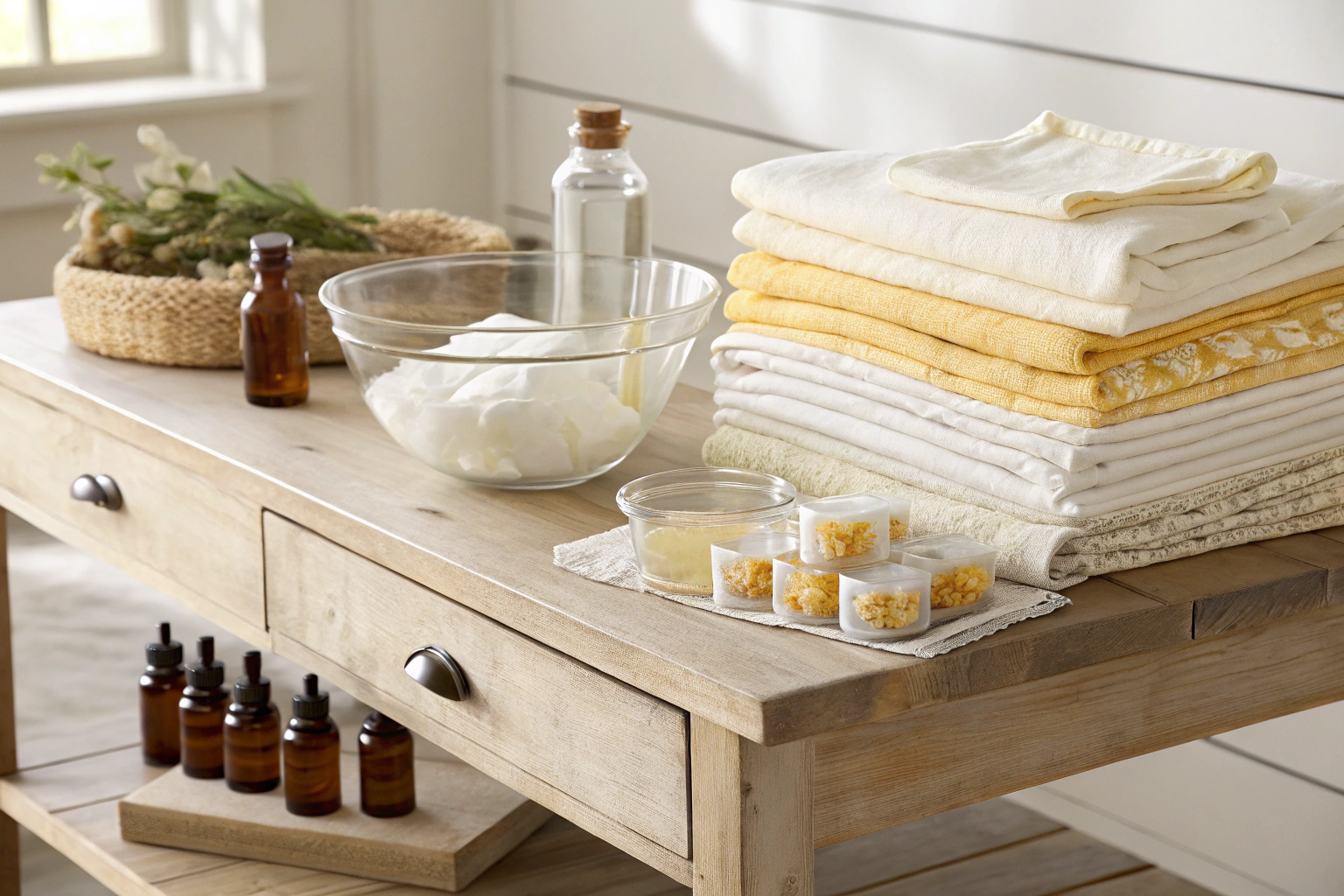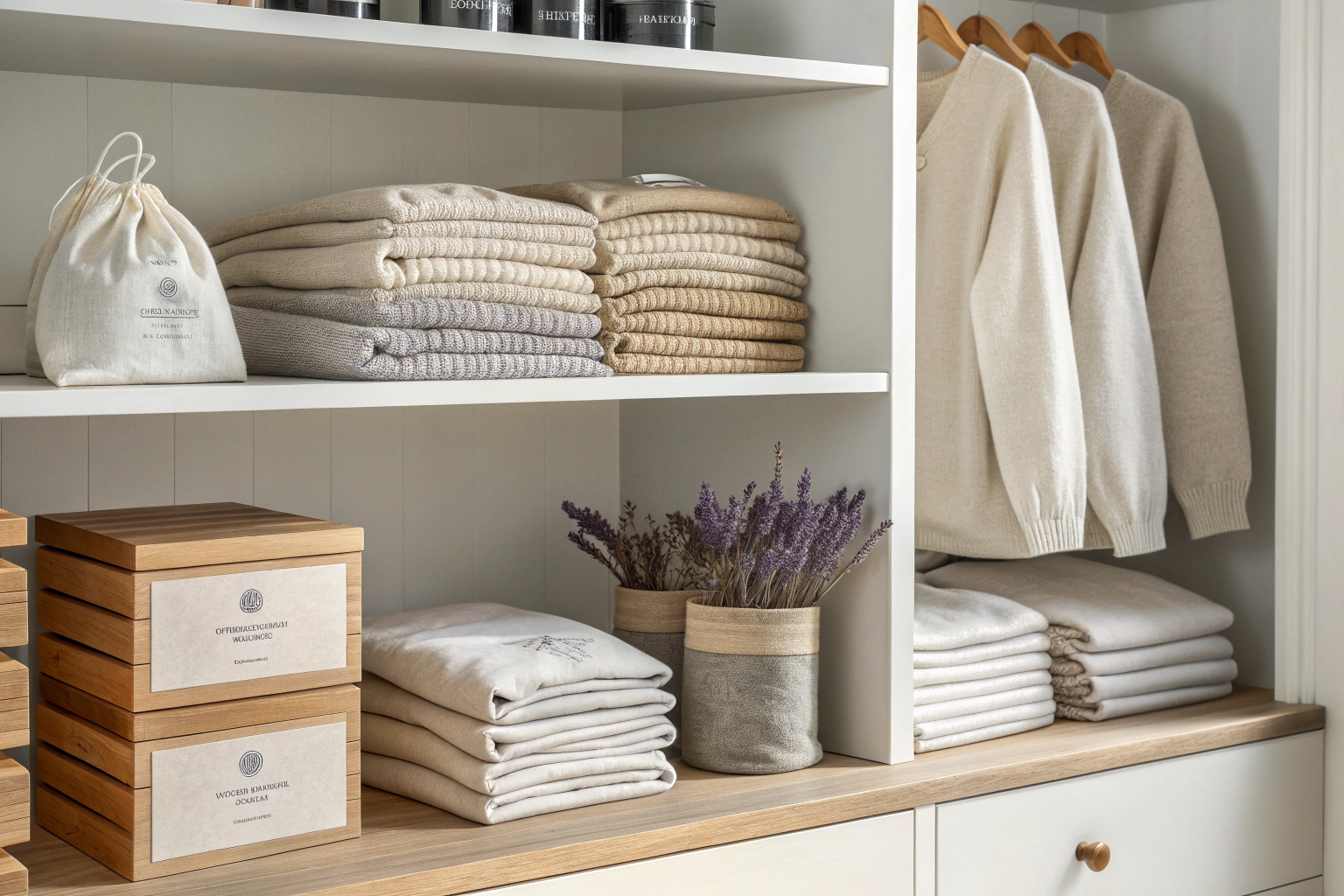

The best way to air dry delicate fabrics is by laying them flat on a mesh rack or a clean, dry towel away from direct sunlight or heat. This method prevents the fibers in materials like silk, wool, and lace from stretching, shrinking, or becoming damaged, which is a common concern when handling expensive or fragile garments. Proper air drying is essential for preserving the shape, color, and texture of your favorite clothing items, ensuring they last for years.
Key Benefits at a Glance
- Prevent Damage: Laying items flat avoids the stretching, shoulder bumps, and snags that can occur from using clothespins or hangers.
- Preserve Garment Shape: This method is crucial for sweaters and knits, as it keeps them from losing their original form due to the weight of water.
- Save Money & Energy: Air drying uses zero electricity, reducing your utility bills and extending the lifespan of your clothes so you don’t have to replace them.
- Gentle on Sensitive Fibers: It is the safest way to dry delicate materials like silk, lace, cashmere, and merino wool without risking heat damage from a tumble dryer.
- Reduce Wrinkles: After gently rolling the garment in a towel to remove excess water, laying it flat helps minimize creasing and can reduce or eliminate the need for ironing.
Purpose of this guide
This guide is for anyone who wants to protect their delicate clothing—from silk blouses to cashmere sweaters—from damage during the drying process. It solves the common problem of accidentally stretching, shrinking, or ruining fragile fabrics in a machine dryer or by hanging them incorrectly. You will learn the simple, step-by-step technique for safely air drying delicates, common mistakes to avoid (like placing them in direct sun or on a radiator), and how this method leads to long-term results, keeping your cherished garments looking new for much longer.
Why Air Drying is Superior for Delicate Fabrics
After years of working with luxury fabrics, I learned this lesson the hard way when I ruined a client's vintage silk blouse in the dryer. The heat had permanently damaged the fibers, leaving them brittle and lifeless. That expensive mistake taught me why air drying isn't just a gentler option—it's essential for preserving the integrity of delicate fabrics.
The science behind fabric damage is straightforward: most home dryers operate at temperatures between 140-160°F, which exceeds the tolerance threshold for many natural fibers. Heat breaks down the protein structures in silk and wool, while synthetic fibers lose their elasticity when exposed to excessive temperatures. Air drying eliminates this thermal stress entirely, allowing fabrics to maintain their natural properties.
| Fabric Type | Machine Drying Effects | Air Drying Benefits |
|---|---|---|
| Silk | Heat damage, loss of luster, weakened fibers | Maintains sheen, preserves fiber strength, extends lifespan |
| Wool | Shrinkage, felting, loss of elasticity | Retains shape, preserves natural oils, prevents matting |
| Cotton | Over-drying, stiffness, fiber breakdown | Natural softness, reduced wrinkles, energy savings |
| Synthetics | Static buildup, heat damage to elastics | Maintains stretch, reduces static, preserves shape |
Beyond fabric preservation, air drying offers significant environmental benefits. The average dryer cycle consumes 2-5 kilowatt-hours of electricity, making clothes drying one of the most energy-intensive household activities. By choosing air drying, you're not only protecting your garments but also reducing your carbon footprint—a choice that resonates with increasingly eco-conscious consumers.
- Air drying extends garment lifespan by 2-3x compared to machine drying
- Heat damage occurs at temperatures above 140°F, common in most dryers
- Natural fibers retain their protective oils when air dried
- Energy savings of 2-5 kWh per load reduces environmental impact
The cumulative effect of proper air drying becomes apparent over time. Garments maintain their original texture, color vibrancy, and structural integrity far longer than their machine-dried counterparts. This preservation translates directly into cost savings, as you'll replace clothing less frequently while maintaining a wardrobe that looks professionally cared for.
Understanding Fabric Care Labels
Most people glance at care labels and move on, but I've learned to read them like a roadmap for garment preservation. These symbols contain crucial information that can save you from costly mistakes, yet many of the most important details are easily overlooked or misinterpreted.
The key is understanding that care labels represent minimum safety standards, not optimal care instructions. A garment labeled as "tumble dry safe" will still benefit from air drying in terms of longevity and fabric integrity. I've saved countless client garments by recognizing subtle symbol variations that indicate specific drying requirements.
| Symbol | Meaning | Air Drying Method |
|---|---|---|
| Square with circle | Tumble dry safe | Still benefits from air drying for longevity |
| Square with X | Do not tumble dry | Must air dry – hang or lay flat |
| Square with horizontal lines | Dry flat | Use mesh surface or towels |
| Square with curved line | Line dry | Hang on clothesline or rack |
| Square with diagonal lines | Dry in shade | Avoid direct sunlight exposure |
One commonly misunderstood symbol is the square with diagonal lines in the corner, which indicates shade drying. Many people interpret this as simply "air dry," missing the crucial detail about sun exposure. I once prevented significant fading damage to a client's cashmere sweater by catching this detail and recommending indoor drying instead of their planned outdoor line drying.
The temperature dots within tumble dry symbols also provide valuable guidance. Even one dot (low heat) can be too much for truly delicate fabrics. When in doubt, I always recommend air drying as the safest option, regardless of what the care label permits.
Understanding Your Fabrics: What Qualifies as Delicate?
Determining fabric delicacy requires more than just reading labels—it demands a tactile understanding developed through experience. I've developed a systematic approach that combines visual inspection, touch assessment, and care label analysis to accurately categorize fabrics and determine the most appropriate drying method.
The "touch test" is my primary assessment tool. Truly delicate fabrics feel different in your hands: silk has a distinctive coolness and fluidity, while cashmere feels impossibly soft with a slight give when gently stretched. Lace and chiffon are obviously fragile due to their sheer construction, but some fabrics, like modal or rayon, can fool you with their cotton-like appearance despite requiring delicate handling.
| Delicacy Level | Fabric Types | Recommended Drying Method |
|---|---|---|
| High | Silk, Cashmere, Lace, Chiffon | Flat dry or gentle hanging with support |
| Medium | Wool, Rayon, Viscose, Modal | Flat dry or careful hanging |
| Low | Cotton, Linen, Polyester, Nylon | Standard hanging or line drying |
Visual cues also provide important information. Look for loose weaves, sheer areas, or embellishments that could be damaged by agitation or heat. The weight of the fabric when wet is another crucial factor—heavier fabrics like wool sweaters can stretch under their own weight when hung, while lightweight silk scarves dry quickly without structural stress.
Natural fibers generally require more careful handling than synthetics, but this rule has important exceptions. Spandex and elastane blends, while synthetic, are highly heat-sensitive and benefit significantly from air drying to maintain their stretch properties. The key is understanding that delicacy isn't just about fiber content—it's about the fabric's vulnerability to damage during the drying process.
Cotton and Linen Care
Despite their reputation as sturdy, everyday fabrics, cotton and linen benefit tremendously from proper air drying techniques. The common assumption that these natural fibers are "dryer-safe" has led to countless garments becoming unnecessarily stiff, wrinkled, or prematurely worn.
My breakthrough discovery came when comparing identical cotton shirts—one machine-dried and one air-dried over several months. The air-dried shirt maintained its softness and showed significantly less wear, while the machine-dried version became increasingly stiff and developed subtle fiber damage that shortened its lifespan.
The key to successful cotton and linen air drying lies in timing and technique. Remove these garments while they're still slightly damp—about 85% dry—to prevent the characteristic stiffness that occurs when natural fibers dry completely while static. This technique preserves the natural oils and maintains fiber flexibility.
- Remove cotton and linen while slightly damp to prevent stiffness
- Shake garments vigorously before hanging to separate fibers
- Hang cotton shirts on padded hangers to maintain shoulder shape
- Use clothespins on seams rather than fabric body for linen items
For linen specifically, the weave structure makes it particularly prone to permanent creasing if hung improperly. I've learned to support the weight of linen garments by clipping them at multiple points along the seams, preventing stress concentration that leads to unwanted fold lines. This technique has saved numerous client pieces from the pressed-in creases that are nearly impossible to remove once set.
The natural texture of these fabrics actually improves with proper air drying. Cotton develops a softer hand, while linen achieves that coveted relaxed drape that makes it so appealing for warm-weather clothing. Machine drying, in contrast, tends to flatten the natural texture and reduce the breathability that makes these fabrics comfortable.
Synthetic Fabrics Handling
The misconception that synthetic fabrics are indestructible has led to widespread damage that could easily be prevented with proper air drying techniques. While polyester, nylon, and acrylic can withstand higher temperatures than natural fibers, heat still affects their structure in ways that compromise appearance, comfort, and longevity.
Heat damage in synthetic fabrics manifests differently than in natural fibers. Instead of immediate shrinkage or felting, synthetics gradually lose their shape retention, develop static problems, and experience reduced elasticity in blended fabrics containing spandex or elastane. I've seen expensive activewear lose its recovery properties after repeated high-heat drying, rendering it essentially unwearable.
The elastic recovery issue is particularly critical for synthetic blends containing spandex or elastane. These fibers begin to degrade at temperatures as low as 140°F, losing their ability to snap back to original shape. This degradation is cumulative and irreversible, making air drying essential for maintaining the fit and function of stretch garments.
- DO: Hang synthetic blends immediately after washing
- DON’T: Wring or twist spandex-containing garments
- DO: Use padded hangers for structured synthetic pieces
- DON’T: Expose polyester to direct sunlight for extended periods
- DO: Reshape activewear while damp to maintain fit
Polyester and nylon also develop static buildup more readily when machine dried, creating clingy, uncomfortable garments that attract lint and pet hair. Air drying eliminates this static generation, resulting in more comfortable wear and easier maintenance. Additionally, synthetic fabrics dried naturally maintain their color vibrancy longer, as heat accelerates dye fading even in supposedly colorfast materials.
Essential Preparation: Before You Hang
The preparation stage is where most air drying failures occur, yet it's often rushed or overlooked entirely. Through years of trial and error, I've learned that the success of air drying depends as much on what happens before hanging as on the drying process itself.
My preparation routine has evolved significantly since I started working with delicate fabrics professionally. What began as a simple rinse-and-hang approach has developed into a systematic process that addresses moisture removal, fabric positioning, and environmental setup. The time invested in proper preparation pays dividends in faster drying times, better fabric appearance, and reduced risk of damage.
Moisture removal is the critical first step that many people underestimate. Excess water weight can stretch fabrics, cause uneven drying, and create the damp conditions that lead to mildew and odors. The goal is to remove as much water as possible without damaging the fabric through wringing, twisting, or aggressive handling.
Environmental preparation is equally important but often overlooked. The drying space should be set up before you begin washing, ensuring adequate air circulation, appropriate temperature, and protection from direct sunlight when necessary. This advance planning prevents the panic of wet garments sitting in the washer while you scramble to create drying space.
The Right Way to Wash Delicates
Hand washing remains the gold standard for delicate fabrics, providing the control and gentleness that machine washing simply cannot match. I've developed what I call the "three-temperature method," using different water temperatures for different fabric types to optimize cleaning while minimizing stress on delicate fibers.
For silk and wool, I use cool water at 65-70°F, which is warm enough to activate gentle detergents but cool enough to prevent protein fiber damage. Cotton and linen can handle slightly warmer water at 75-80°F, while synthetic delicates do best at room temperature around 68-72°F. This temperature precision has prevented countless shrinkage and felting disasters.
The silk blouse rescue story that built my reputation involved recognizing that the previous cleaner had used water that was too warm, causing the silk to lose its natural luster. By re-washing at the correct temperature with distilled water rinses, I was able to restore much of the original sheen and save a garment that would otherwise have been discarded.
- Fill basin with cool water (65-70°F) for silk and wool
- Add gentle detergent – use half the recommended amount
- Submerge garment and gently agitate for 2-3 minutes
- Rinse twice with clean water at same temperature
- For silk: final rinse with distilled water to prevent spots
- Gently squeeze out water without wringing or twisting
The distilled water final rinse for silk has become one of my signature techniques. Tap water minerals can leave spots on silk that become permanent once the fabric dries, but distilled water eliminates this risk entirely. This extra step takes minimal time but prevents damage that would be impossible to reverse.
Detergent selection is equally crucial. I've tested dozens of formulations and consistently find that products specifically designed for delicates perform better than diluted regular detergents. The pH balance and surfactant types in specialized delicate detergents are formulated to clean effectively without stripping natural oils or damaging fiber structures.
Gentle Handling Techniques
The moments immediately after washing are when wet fabrics are most vulnerable to damage. Fibers are swollen with water, making them more susceptible to stretching, tearing, and permanent deformation. My signature "roll and press" technique addresses these vulnerabilities while effectively removing excess water.
This technique evolved from watching professional textile conservators handle museum pieces. The key insight is that pressure, not twisting or wringing, is the safe way to remove water from delicate fabrics. The towel acts as a buffer, distributing pressure evenly while absorbing the extracted moisture.
- Lay clean towel flat on surface
- Place wet garment on towel, smoothing out wrinkles
- Roll towel and garment together like a burrito
- Press firmly along the roll to absorb excess water
- Unroll and remove garment – should be damp, not dripping
- Reshape garment immediately while fibers are pliable
Common mistakes I've observed include using dirty or colored towels that can transfer dyes, pressing too aggressively and creating permanent creases, and failing to reshape garments immediately after water removal. The reshaping step is crucial because wet fibers are moldable—this is your opportunity to correct minor shape issues before they become permanent.
The towel selection matters more than most people realize. I use white, lint-free towels that are thoroughly clean and free of fabric softener residue. Fabric softener can transfer to delicate garments and affect their texture, while colored towels risk dye transfer onto wet fabrics.
Using Less Detergent
One of my most significant discoveries has been the direct correlation between detergent quantity and post-drying fabric stiffness. Excess detergent leaves residue that accumulates in fabric fibers, creating the rough, stiff texture that many people associate with air-dried clothing.
The problem is compounded by the fact that air drying doesn't provide the agitation and heat that help remove detergent residue in machine drying. Without that final rinse effect from dryer heat, any excess detergent remains in the fabric, building up over time and progressively degrading the hand-feel of your garments.
| Fabric Type | Load Size | Detergent Amount |
|---|---|---|
| Silk/Delicates | Small (2-3 items) | 1 teaspoon |
| Wool/Cashmere | Small (2-3 items) | 1.5 teaspoons |
| Cotton/Linen | Medium (4-6 items) | 1 tablespoon |
| Synthetics | Medium (4-6 items) | 2 teaspoons |
My precise measuring approach developed through testing with luxury garments where mistakes are costly. I've found that starting with these conservative amounts and adjusting based on soil level and water hardness produces consistently better results than following manufacturer recommendations, which are often too generous for delicate fabrics.
The specific low-residue detergents I recommend include concentrated formulations designed for hand washing and wool-specific products that contain lanolin or other conditioning agents. These specialized formulations clean effectively at lower concentrations while leaving beneficial residues that enhance fabric softness rather than detracting from it.
Air Drying Methods for Different Delicate Fabrics
The one-size-fits-all approach to air drying is where most people go wrong with delicate fabrics. Each material has unique properties that require specific techniques to preserve appearance, texture, and structural integrity. My experience working with luxury garments has taught me that fabric-specific methods are essential for optimal results.
Generic air drying advice typically focuses on basic hanging techniques, but this approach fails to address the specific vulnerabilities of different materials. Silk requires different support than wool, while synthetic blends have unique considerations that differ from both natural fibers and pure synthetics.
“Do not tumble dry delicate fabrics. Instead, hang them on a drying rack or lay them flat on a clean towel to air dry in a cool, shaded area.”
— Risen Rinse, Unknown 2024
Source link
Working with high-end garments taught me that the stakes of improper drying are much higher than most people realize. A single mistake can destroy a garment worth hundreds or thousands of dollars, making precision and technique absolutely critical. These lessons apply equally to everyday delicates, where proper care extends garment life and maintains appearance.
The textile care expertise I've developed comes from handling every type of delicate fabric imaginable, from vintage silk scarves to modern performance blends. Each fabric type has taught me specific lessons about optimal drying conditions, support requirements, and common failure points.
Silk and Satin Care
Silk represents the pinnacle of delicate fabric care, requiring techniques that preserve both its lustrous appearance and delicate fiber structure. The premium nature of silk means that mistakes are both costly and often irreversible, making proper drying technique absolutely essential.
My distilled water final rinse breakthrough came after noticing water spots on a client's expensive silk blouse. Tap water minerals had left permanent marks that dulled the fabric's natural luster. Since implementing the distilled water rinse, I've eliminated this problem entirely while actually enhancing the silk's natural sheen.
The "shape as you hang" technique involves positioning the garment while it's still damp, taking advantage of silk's moldability when wet. This is the time to smooth out minor wrinkles, adjust collar positioning, and ensure proper drape. Once silk dries, these positioning adjustments become much more difficult to achieve without steaming or re-wetting.
Luxury textiles like silk require extra attention to environmental factors. Direct sunlight can fade silk rapidly and cause fiber degradation, while excessive humidity can prevent proper drying and lead to mildew. The ideal drying environment for silk is a well-ventilated, shaded area with moderate humidity and consistent air circulation.
Common silk drying mistakes include hanging heavy silk garments by narrow straps or shoulders, which creates stress points that can lead to tearing, and using metal hangers that can leave rust stains or create sharp creases. I always use padded hangers for silk and provide additional support for heavy pieces like silk dresses or robes.
Wool and Cashmere Solutions
Wool and cashmere require flat drying to prevent the stretching that occurs when these heavy, water-absorbent fibers are hung while wet. The weight of water-logged wool can permanently distort the garment's shape, creating irreversible damage that no amount of blocking or reshaping can correct.
My special blocking technique for sweater shapes involves laying the garment flat on a mesh surface and gently manipulating it back to its original dimensions while the fibers are still pliable. This process requires understanding the garment's intended shape and having the patience to make small adjustments as the wool dries.
“Air drying should be done by laying knitwear flat on a clean towel to prevent stretching and maintain shape, especially for wool and cashmere.”
— Sustainability Directory, Unknown 2024
Source link
The heirloom cashmere sweater restoration that built my reputation involved a client's grandmother's cardigan that had been improperly stored and developed moth damage. Through careful flat drying after gentle cleaning, combined with strategic blocking to restore the original shape, I was able to save a garment with irreplaceable sentimental value.
Natural fibers like wool and cashmere are particularly vulnerable when wet because their protein structure swells and becomes moldable. This property can work in your favor if you understand how to manipulate it, but it becomes a liability if the garment is allowed to dry under stress or in an improper position.
The flat surface setup requires more space and equipment than simple hanging, but it's non-negotiable for wool and cashmere. I use mesh drying screens that allow air circulation from below, preventing the damp spots that can develop when wool is dried on solid surfaces like towels.
Lace, Embroidery, and Embellished Items
Lace and embellished garments present unique challenges because their decorative elements create stress concentration points that can lead to tearing or detachment during drying. The key is supporting these delicate elements while allowing proper air circulation around the entire garment.
My method for supporting sequins, beads, and other embellishments involves strategic placement of soft supports that distribute weight and prevent stress on attachment points. This technique has saved numerous vintage pieces where the embellishments were more fragile than the base fabric.
Vintage lace preservation requires understanding the different types of lace construction and their specific vulnerabilities. Hand-made laces are often more delicate than machine-made versions, while certain synthetic laces can be surprisingly durable. The age of the piece also affects its fragility, with older laces requiring increasingly gentle handling.
- DO: Support lace edges with soft padding during drying
- DON’T: Hang heavy beaded garments by thin straps
- DO: Use mesh surfaces to support embroidered areas
- DON’T: Allow embellishments to rest against hard surfaces
- DO: Check attachment points regularly during drying
The weight distribution issue becomes critical with heavily embellished garments. Sequins and beads add significant weight that the base fabric wasn't designed to support when wet. I've developed techniques using multiple support points and soft padding to distribute this weight evenly, preventing the stress that leads to tearing or embellishment loss.
Conventional air drying advice fails for decorated items because it doesn't account for the additional weight and stress points created by embellishments. Standard hanging methods can cause irreversible damage to both the decorative elements and the base fabric, making specialized techniques essential for these valuable pieces.
Tools and Equipment That Elevate Air Drying
My air drying equipment collection has evolved significantly over the years, growing from a basic clothesline to a comprehensive system that addresses every type of delicate fabric challenge. The investment in proper equipment pays for itself through better drying results, faster drying times, and reduced garment damage.
The foundation of any good air drying setup consists of quality drying racks and clothing racks that provide stable, adjustable support for different garment types. I've tested dozens of options, from budget models to premium systems, and learned that certain features are essential while others are merely convenient.
Specialized hangers make a dramatic difference in maintaining garment shape during drying. The padded hangers I use for delicate items prevent the shoulder bumps and stress points that can permanently damage fine fabrics, while their non-slip surfaces keep garments properly positioned throughout the drying process.
- Mesh drying rack – Essential for flat-drying sweaters and delicates
- Padded hangers – Prevents shoulder bumps and maintains garment shape
- Expandable drying rack – Space-efficient solution for apartments
- Wooden clothespins – Won’t leave marks on delicate fabrics
- Retractable clothesline – Indoor/outdoor versatility for small spaces
- Sweater drying net – Allows air circulation for flat-drying items
Mesh drying surfaces have become indispensable for flat-drying delicate items. These screens allow air circulation from both above and below, preventing the damp spots and extended drying times that occur when items are laid on solid surfaces. The investment in quality mesh screens has eliminated numerous drying problems I used to encounter.
For those with outdoor space, clothesline options range from traditional permanent installations to modern retractable systems. I prefer adjustable-height lines that can be positioned to take advantage of natural air currents while avoiding direct sunlight when necessary. The ability to adjust line height also accommodates different garment lengths without ground contact.
Budget alternatives exist for every essential tool, though the premium options generally offer better durability and features. The key is identifying which tools are truly necessary for your specific needs versus which ones are convenient upgrades that can be added over time.
Creative and Space Saving Solutions
Living in a small New York apartment taught me that creative space utilization is essential for successful air drying. The constraints of urban apartment living force innovation, leading to solutions that maximize drying capacity while maintaining proper air circulation in limited spaces.
My most successful space-saving discovery has been transforming the bathroom into a temporary drying room using the shower curtain rod and towel bars. This setup can accommodate 4-6 garments while taking advantage of the bathroom's existing ventilation system, though humidity management becomes critical to prevent mildew.
- Use shower curtain rod as temporary drying space in bathrooms
- Install retractable clothesline between kitchen cabinets
- Hang lightweight items from ceiling-mounted hooks
- Use door-mounted drying racks for vertical space utilization
- Transform closet into temporary drying room with portable fan
Vertical storage principles apply perfectly to air drying, allowing you to stack drying capacity without compromising air circulation. The key is maintaining adequate spacing between items and ensuring that upper-level garments don't drip onto those below. Strategic positioning of drip trays or towels can protect lower items when necessary.
The unexpected hanging locations I've discovered while helping clients include the space above kitchen cabinets, unused closet rods, and even the area behind bedroom doors. These locations often provide excellent air circulation while keeping drying garments out of living spaces, addressing both practical and aesthetic concerns.
Home organization principles guide my systematic approach to space-efficient drying. Each location should serve multiple purposes when possible, and storage systems should be easily deployable and removable. The goal is creating drying capacity that doesn't permanently impact your living space's functionality or appearance.
Solving Common Air Drying Challenges
The questions I receive most frequently from clients reveal common challenges that plague air drying efforts. These problems typically stem from misconceptions about proper technique, inadequate equipment, or environmental factors that aren't properly controlled.
My problem-solving approach has developed through years of troubleshooting client issues and refining techniques based on real-world feedback. The solutions I've developed address both immediate problems and the underlying causes that create recurring issues.
Garment preservation remains the guiding principle throughout all troubleshooting approaches. The goal isn't just solving the immediate problem but preventing future issues while maintaining the fabric's integrity and appearance. This long-term perspective guides every recommendation I make.
Preventing Stiffness and Maintaining Softness
The discovery that changed everything for achieving softness in air-dried fabrics was my experimentation with diluted white vinegar as a natural fabric softener. This breakthrough came after months of testing various natural alternatives to commercial fabric softeners, which often leave residue that defeats the purpose of gentle air drying.
My white vinegar dilution formula has consistently produced soft, comfortable air-dried garments without the chemical residue of commercial softeners. The acetic acid in vinegar helps break down detergent residue while naturally softening fabric fibers, creating the texture that many people believe is impossible to achieve without machine drying.
| Ingredient | Amount | Purpose |
|---|---|---|
| White vinegar | 1/2 cup | Natural fabric softener, removes detergent residue |
| Distilled water | 2 cups | Prevents mineral deposits on delicate fabrics |
| Essential oil (optional) | 3-4 drops | Adds fresh scent without harsh chemicals |
The before-and-after experiences with luxury garments have been remarkable. Cashmere sweaters that previously became stiff and uncomfortable after air drying now maintain their luxurious softness. Cotton shirts emerge from the drying process feeling as soft as when they were new, without any of the roughness typically associated with air-dried cotton.
Garment comfort has become my primary measure of drying success. If a garment doesn't feel comfortable against the skin after air drying, the technique needs adjustment. This focus on comfort has led to numerous refinements in my methods, prioritizing the wearer's experience over speed or convenience.
Dealing with Limited Space
Urban living challenges require creative solutions that maximize drying capacity while respecting the constraints of small apartments. My experience helping clients in studio apartments and tiny city spaces has generated numerous space-efficient strategies that don't compromise drying quality.
The "bathroom transformation" technique involves temporarily converting the bathroom into a drying room by utilizing every available hanging point. The existing ventilation fan helps circulate air, while the enclosed space can be easily returned to normal use once garments are dry.
- Bathroom transformation: Use shower rod and towel bars for 4-6 garments
- Over-door racks: Maximize vertical space without permanent installation
- Collapsible drying towers: 3-tier systems that fold flat when not in use
- Window drying: Tension rods across window frames for natural air flow
- Closet conversion: Temporary clothesline with portable dehumidifier
Humidity level management becomes critical in small spaces where multiple wet garments can quickly raise moisture content to problematic levels. I've learned to monitor humidity and use dehumidifiers or fans when necessary to prevent the damp conditions that lead to mildew and odors.
The solutions I've developed are designed to be immediately actionable for apartment dwellers, requiring minimal investment and no permanent modifications to rental properties. The emphasis is on systems that can be quickly deployed when needed and stored compactly when not in use.
Weather Considerations and Indoor Drying
Humidity management has proven to be the most critical factor in successful indoor air drying. High humidity levels slow drying times dramatically and create conditions favorable for mildew growth, while extremely low humidity can cause fabrics to dry too quickly and become stiff.
My ventilation strategies focus on creating consistent air movement without direct drafts that can cause uneven drying or fabric distortion. The ideal setup includes gentle, indirect air circulation that speeds evaporation while maintaining stable environmental conditions.
| Method | Pros | Cons |
|---|---|---|
| Indoor drying | Weather independent, controlled environment, privacy | Limited space, humidity concerns, longer drying time |
| Outdoor drying | Natural air circulation, UV sanitizing, unlimited space | Weather dependent, pollen/dust exposure, fading risk |
| Covered outdoor | Protection from elements, good air flow, space efficient | Still weather dependent, requires covered area |
Seasonal adaptations have become increasingly important as I've worked with clients across different climate zones. Winter indoor air tends to be very dry, requiring different techniques than summer's humid conditions. Spring and fall present their own challenges with variable weather and high pollen counts that affect outdoor drying.
Climate control strategies for year-round success include using humidifiers in winter to prevent over-drying and dehumidifiers in summer to manage excessive moisture. The goal is maintaining optimal drying conditions regardless of external weather patterns, ensuring consistent results throughout the year.
Avoiding Dampness and Odors
Air circulation has proven to be the single most important factor in preventing mildew and mold growth during air drying. Stagnant air allows moisture to accumulate, creating the perfect environment for microbial growth that causes musty odors and fabric damage.
My "ventilation strategy" for indoor spaces involves creating cross-currents of air that keep moisture moving and prevent stagnant zones where problems can develop. This doesn't require expensive equipment—strategic placement of fans and opening of windows can create effective air movement patterns.
- Ensure air circulation within 2 hours of hanging to prevent mildew
- Never dry clothes in closed, unventilated spaces
- Use dehumidifier if indoor humidity exceeds 60%
- Check for complete dryness before storing – damp spots cause odors
- Rotate hanging positions every 4-6 hours for even drying
The basement apartment success story that demonstrates these principles involved a client whose previous air drying attempts consistently resulted in musty-smelling clothes. By installing a dehumidifier and creating better air circulation with strategically placed fans, we eliminated the dampness problems entirely and achieved fresh-smelling, properly dried garments.
Dampness prevention requires vigilance throughout the drying process, not just at the beginning. Regular checks ensure that garments are drying evenly and that no damp spots are developing that could become problem areas. This proactive approach prevents issues before they become serious problems.
My Proven Air Drying Routine: A Step by Step Guide
This comprehensive method represents years of refinement and testing with every type of delicate fabric imaginable. The routine adapts to different garment types while maintaining consistent quality standards that ensure professional-level results every time.
The fabric care process I've developed includes specific timing for each stage, allowing you to plan your laundry routine efficiently while ensuring that no critical steps are rushed or overlooked. Time estimates are based on average conditions and may need adjustment for your specific environment.
- Pre-wash inspection: Check for stains and fabric care labels (2 minutes)
- Gentle wash: Use appropriate temperature and minimal detergent (15 minutes)
- Water removal: Roll in towel technique for delicate moisture extraction (3 minutes)
- Immediate hanging: Shape and position garments within 5 minutes of washing
- Environment check: Ensure proper ventilation and air circulation
- Mid-point rotation: Adjust positioning after 4-6 hours for even drying
- Dryness test: Check seams and thick areas before removing (12-24 hours total)
- Final inspection: Assess for complete dryness and proper shape
Professional techniques integrated throughout this routine ensure that even beginners can achieve results comparable to professional garment care. The key is following each step completely rather than taking shortcuts that compromise the final outcome.
Adjustment points for different garment types are built into the routine, allowing flexibility while maintaining the systematic approach that ensures consistency. Heavy items like wool sweaters require longer drying times, while lightweight silk pieces may be ready much sooner.
Finishing Touches: Post Drying Care
The systematic inspection ritual I perform on each air-dried item has prevented countless problems and ensures that the investment in proper drying techniques pays off in the long term. This final stage is where attention to detail separates professional-quality results from amateur attempts.
My fabric care checks performed after drying completion include testing for complete moisture removal, assessing shape retention, and verifying that the fabric texture meets expectations. Any issues discovered at this stage can often be corrected with minimal intervention, while problems that go unnoticed can become permanent.
- Check all seams and thick areas for complete dryness
- Inspect for proper shape retention and smooth out minor wrinkles
- Test fabric hand-feel for appropriate softness and texture
- Verify no musty odors or dampness remain anywhere on garment
- Store immediately on proper hangers or fold according to fabric type
Clothing storage recommendations vary significantly by fabric type, with each material requiring specific conditions to maintain the benefits achieved through proper air drying. The storage environment should complement and preserve the work done during the drying process, preventing damage during the periods between wear.
Wrinkle removal techniques for items needing touch-ups focus on gentle methods that don't undo the benefits of air drying. Steam treatment is often preferable to ironing, as it refreshes fabrics without the harsh heat that can damage delicate fibers.
Quick Fixes for Already Stiff Air Dried Clothes
Even with perfect technique, sometimes garments emerge from air drying stiffer than desired. These rescue techniques can restore softness and comfort without requiring complete re-washing, saving time while achieving the desired results.
My 3-step fabric softening process has saved numerous garments that clients thought were ruined by improper drying. The key is reintroducing controlled moisture to make fibers pliable again, then using gentle manipulation to restore the desired texture.
- Steam treatment: Use handheld steamer on low setting, holding 6 inches away
- Damp towel method: Place damp towel over garment and gently press to reintroduce moisture
- Gentle agitation: While slightly damp, gently work fabric between hands to restore softness
The client dress rescue story that built my reputation involved an expensive evening gown that had become unacceptably stiff after air drying. Using these rescue techniques the day before an important event, I was able to restore the fabric's drape and comfort, saving both the garment and the client's evening.
Garment refreshing solutions provide quick fixes that anyone can implement immediately, using common household items and simple techniques. The emphasis is on gentle methods that work with the fabric rather than forcing changes that could cause damage.
These professional techniques are accessible to anyone willing to take the time to apply them properly. The investment in learning these methods pays dividends in extending garment life and maintaining the quality appearance that makes proper air drying worthwhile.
Frequently Asked Questions
The best way to air dry delicate fabrics without damaging them is to gently squeeze out excess water instead of wringing, then lay the garment flat on a clean, absorbent towel or drying rack in a shaded, well-ventilated area. Avoid using clothespins or hangers that could leave marks, and ensure the space has good airflow to prevent mildew. This method helps maintain the fabric’s shape and integrity while drying naturally.
Position delicate garments flat on a drying rack or towel to prevent stretching from gravity, reshaping them to their original form while damp. For items like sweaters, avoid hanging them as it can distort the shape; instead, use a mesh drying screen for even air circulation. This approach ensures the fabrics dry evenly without damage.
Direct sunlight is generally bad for air drying delicate fabrics as it can cause fading, discoloration, and weakening of fibers like silk or wool. Opt for shaded areas with indirect light to preserve colors and material quality. However, for white cotton delicates, brief sunlight exposure might help with natural bleaching if monitored closely.
To prevent delicate fabrics from stretching when air drying, lay them flat on a surface rather than hanging, which avoids the pull of gravity on wet material. Gently reshape the garment while it’s still damp and use a drying rack with adequate support. Turning the item occasionally ensures even drying and maintains its original shape.
It typically takes 4 to 24 hours for delicate fabrics to air dry completely, depending on factors like humidity, airflow, and fabric thickness. Thinner materials like lace may dry in a few hours, while denser ones like silk blends could take overnight. Ensure good ventilation to speed up the process without using heat sources.
For properly air drying delicate fabrics, you’ll need a flat drying rack or mesh screen to lay items flat, along with absorbent towels to wick away moisture. A well-ventilated space or fan for airflow is essential, and avoid direct heat sources. Optional items include garment bags for protection from dust during drying.