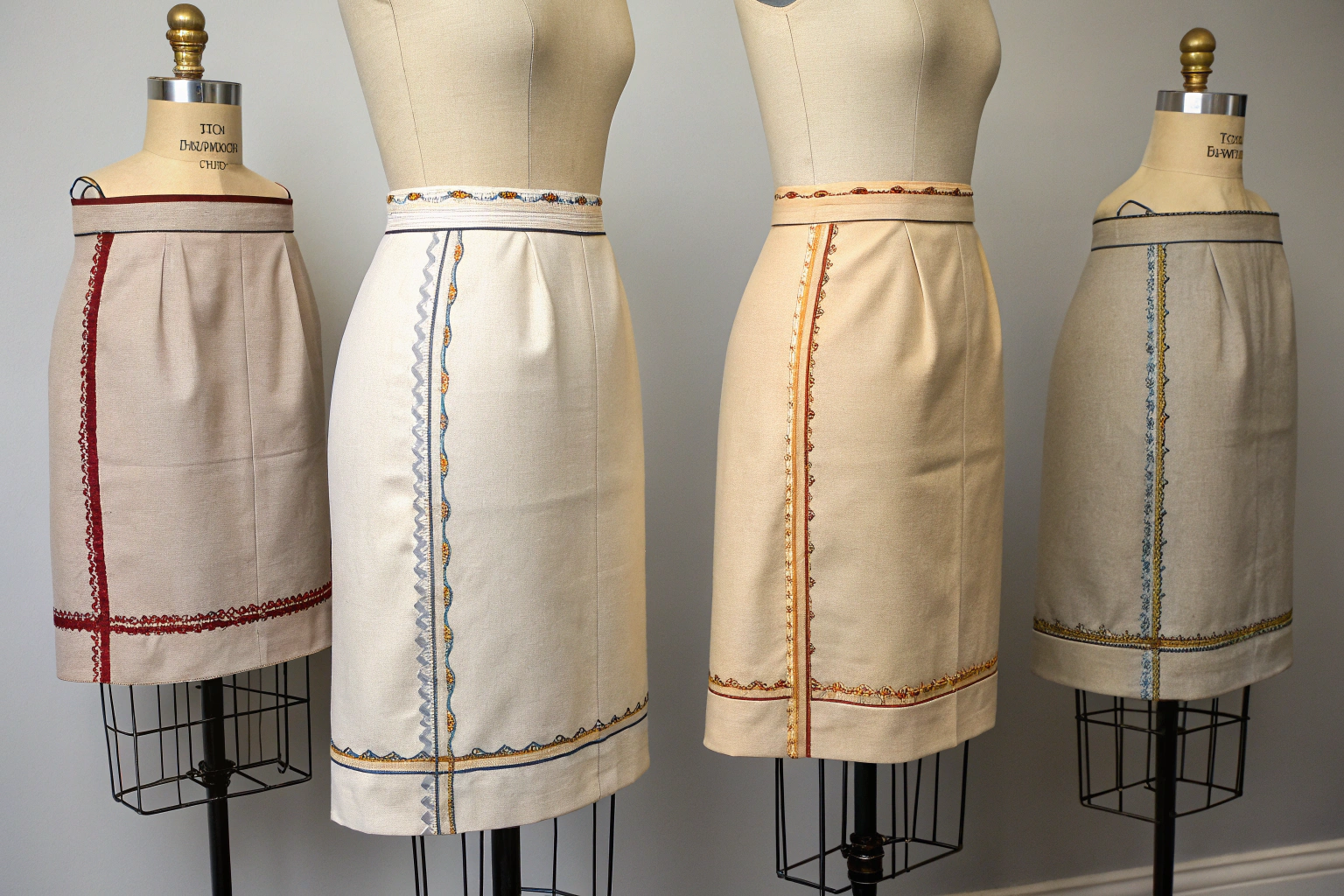
The hem of a skirt is the finished bottom edge of the fabric, which is folded and sewn to prevent fraying and create a clean, durable line. The technique used—whether hand-stitched, machine-sewn, or fused with tape—affects the garment’s drape and overall quality. Common user concerns involve fixing a fallen hem quickly or altering a skirt’s length for a better fit, which can often be done easily at home without a professional tailor.
Key Benefits at a Glance
- Save Money: Avoid a trip to the tailor and expensive alteration fees by mastering simple hand-sewing or machine-hemming techniques.
- Quick & Easy Fixes: Instantly repair a fallen or unraveled hem in minutes with iron-on hemming tape—a perfect no-sew solution for emergencies.
- Extend Garment Life: A properly finished hem is the first line of defense against fabric fraying and wear, significantly extending the life of your favorite skirts.
- Achieve a Perfect Custom Fit: Easily customize the length of any skirt to flatter your height and shoe choice, preventing tripping hazards and creating a polished silhouette.
- Enhance Overall Appearance: A crisp, even hemline provides a professional and high-quality finish, elevating the look of both casual and formal skirts.
Purpose of this guide
This guide is for anyone looking to alter, repair, or understand the hem of a skirt, from complete sewing beginners to fashion enthusiasts wanting to customize their wardrobe. It solves common problems like skirts being too long, hems coming undone, or delicate fabric fraying at the bottom edge. You will learn simple, step-by-step methods for creating a new hem or performing a quick repair using tools you likely already have. We explain common mistakes to avoid, such as creating a crooked or puckered line, and help you achieve a durable, professional-looking finish that elevates your garment’s longevity and style.
Understanding the basics of hem of a skirt
A hem is the finished edge of fabric that is folded and stitched to create a neat, secure border on a garment. When I first started sewing, I could immediately spot a poorly executed hem from across the room – the telltale signs of puckering, uneven stitching, or visible bulk that screamed “amateur work.” On a skirt, the hem serves both functional and aesthetic purposes, preventing fraying while defining the garment’s silhouette and length.
Many skirt hems use the same stitches and techniques as trouser hems, just on different shapes. For a step-by-step comparison, look at how to hem pants like a professional tailor.
The relationship between a hem and the overall skirt is crucial to understand. A well-executed hem should seamlessly integrate with the garment, appearing as a natural extension rather than an afterthought. The hemline – that critical boundary where fabric meets air – can make or break the professional appearance of any skirt. Whether you’re working with a simple A-line or a complex circle skirt, the hem directly impacts how the garment hangs, moves, and presents itself.
- A proper hem should be invisible from the garment’s right side
- Hem width affects garment drape and silhouette
- Professional hems require consistent tension and precise measurements
| Hem Quality | Visual Impact | Professional Standard |
|---|---|---|
| Well-executed | Clean, polished appearance | Invisible from right side |
| Poorly executed | Puckered, uneven finish | Visible stitching, bulk |
Professional standards demand that hems remain invisible from the garment’s right side while providing structural integrity. The width of your hem allowance – typically ranging from one to three inches – directly affects how the skirt drapes and moves. A narrow hem works beautifully for lightweight fabrics and creates minimal bulk, while wider hems provide stability for heavier materials and help maintain the garment’s shape over time.
Types of skirt hems and when to use them
Selecting the appropriate hem technique can transform a good skirt into an exceptional one. After years of working with clients who brought me their hemming disasters, I’ve learned that understanding when to use each technique is just as important as knowing how to execute it properly.
Narrow, bias-bound and blind hems each rely on different stitch types. For a deeper dive into choosing the right machine stitch, review types of sewing machine stitches from beginner to expert .
Rolled hems create the most delicate finish, perfect for silk scarves, chiffon skirts, or any lightweight fabric where bulk must be minimized. The technique involves rolling the fabric edge multiple times before stitching, creating a narrow, refined border that’s particularly stunning on curved hemlines.
Blind hems represent the gold standard for most skirts. When executed correctly, the stitching remains completely invisible from the garment’s right side. I remember a client who insisted her expensive designer skirt had no hem at all – that’s how invisible a proper blind hem should be.
| Hem Type | Best For | Visibility | Difficulty |
|---|---|---|---|
| Rolled | Lightweight fabrics | Minimal | Advanced |
| Blind | Most skirts | Invisible | Intermediate |
| Double-fold | Heavy fabrics | Clean edge | Beginner |
| Faced | Curved hems | Professional | Advanced |
Double-fold hems offer the most straightforward approach for beginners. The fabric edge gets folded twice, creating a clean finish that prevents fraying while providing substantial structure. This technique works exceptionally well with medium to heavy-weight fabrics where the additional bulk won’t compromise the garment’s drape.
Faced hems solve the challenge of curved hemlines that resist traditional folding methods. By applying a separate piece of fabric to the hem edge, you can achieve smooth curves without the puckering that often plagues circle skirts or flared designs. This professional technique requires more skill but delivers superior results for complex garment shapes.
Different stitching techniques create various hem finishes. Common approaches include single fold hems, double fold hems for durability, blind hems that are nearly invisible, rolled hems for delicate fabrics, and faced hems for structured garments. Machine stitching and hand-stitching both remain popular methods for securing hems. For additional information on hemming techniques, consult the hem types overview.
Essential tools and materials for perfect hemming
My hemming toolkit has evolved dramatically over the years, starting with basic scissors and a measuring tape, gradually expanding to include specialized equipment that revolutionized my technique quality. The difference between amateur and professional results often comes down to having the right tools and understanding how to use them effectively.
A well-pressed hem is easier to sew and looks more professional. To get crisp folds without damaging your fabric, see the ultimate guide to spray starch .
The foundation of any hemming toolkit starts with accurate measuring tools. A quality measuring tape provides flexibility for curved measurements, while a hem gauge offers precision for consistent hem widths. I learned this lesson the hard way when a client’s expensive silk skirt ended up with a wavy hemline because I relied on an old, stretched measuring tape.
- Measuring tape or hem gauge for accurate measurements
- Sharp fabric scissors for clean cuts
- Iron and pressing cloth for professional finish
- Seam ripper for corrections
- Quality thread matching fabric weight
Sharp fabric scissors make the difference between clean, precise cuts and ragged edges that fray immediately. I invested in professional tailor’s shears after watching too many projects suffer from dull blade damage. The investment paid for itself within the first month through time saved and results achieved.
| Basic Tools | Professional Tools | Key Advantage |
|---|---|---|
| Measuring tape | Hem gauge | Precise consistent measurements |
| Fabric scissors | Tailor’s shears | Clean cuts, reduced fraying |
| Regular iron | Steam iron with press cloth | Professional pressing results |
Pressing equipment transforms good hems into exceptional ones. A quality iron with variable steam settings, combined with a press cloth for delicate fabrics, creates the crisp edges that distinguish professional work. The press cloth prevents shine on delicate fabrics while allowing heat transfer for proper setting.
Thread selection requires matching both color and weight to your fabric. Using thread that’s too heavy creates visible stitching lines, while thread that’s too light may break under stress. I keep a comprehensive thread collection organized by color and weight to ensure perfect matches for every project.
Must have vs nice to have hemming supplies
Starting with minimal tools taught me which investments truly impact results versus those that simply make the process more convenient. After years of gradual toolkit expansion, I can definitively prioritize essential purchases over optional additions.
- DO invest in quality measuring tools first – accuracy is critical
- DO buy sharp scissors – dull blades cause fraying
- DON’T buy expensive specialty tools until mastering basics
- DON’T skip the iron – pressing makes the difference
Essential tools that should be your first investments include a reliable measuring tape, sharp fabric scissors, a quality iron with steam capability, and basic hand-sewing needles. These four tools handle 95% of hemming situations and directly impact your results quality.
Nice-to-have additions that can wait until you’ve mastered basic techniques include specialized hem gauges, professional tailor’s shears, bias tape makers, and electric scissors. While these tools improve efficiency and convenience, they won’t compensate for poor technique or inadequate preparation.
The biggest mistake I see beginners make is investing in expensive specialty tools before understanding fundamental principles. Master the basics with simple, quality tools first, then gradually add specialized equipment as your skills and project complexity increase.
Preparation the foundation of professional hems
Proper preparation separates amateur results from professional finishes more than any other factor. I learned this lesson dramatically when I rushed through preparation on what should have been a simple hem, only to discover after cutting that the fabric had stretched unevenly, creating a wavy hemline that required complete reconstruction.
- Skipping preparation steps often results in uneven, unprofessional hems
- Different fabrics require different preparation approaches
- Rushing preparation wastes time fixing mistakes later
Every fabric behaves differently during the hemming process, and understanding these characteristics before you begin saves countless hours of corrections. Fabric weight affects how much hem allowance you need – lightweight fabrics require less to avoid bulk, while heavy materials need adequate allowance for proper drape.
Grain direction plays a crucial role in hem stability. Fabrics cut on the bias stretch and distort more than those cut on the straight grain, requiring special handling and extended hanging time before accurate measurements become possible.
The systematic approach I’ve developed over years of experience begins with fabric analysis, progresses through proper hanging and settling time, then moves to precise measurement and marking. This methodical process prevents the vast majority of hemming problems before they occur.
Pre hemming fabric considerations
Understanding fabric properties before beginning any hemming project prevents disasters and ensures optimal results. Each fabric type presents unique challenges that require specific approaches and techniques.
Pre-washing and caring for your fabric correctly prevents surprises after the first wash. For more on caring for handmade items, read how to wash handmade items .
| Fabric Type | Key Property | Hemming Consideration |
|---|---|---|
| Silk | Frays easily | Use French seam or serged edge |
| Knit | Stretches | Use stretch stitches, don’t overstretch |
| Wool | Bulky | Grade seams, press carefully |
| Cotton | Stable | Standard techniques work well |
Silk fabrics present the dual challenge of fraying easily while requiring delicate handling. I always test my stitching tension on scraps first, as silk can pucker with even slightly tight stitching. French seams or serged edges prevent fraying while maintaining the fabric’s luxurious drape.
Knit fabrics stretch in multiple directions, making consistent measurements challenging. The key is never to stretch the fabric during measurement or stitching. I use ballpoint needles and stretch stitches to accommodate the fabric’s natural movement without creating waves or puckering.
Wool fabrics create bulk challenges due to their thickness and tendency to hold creases. Grading seams by trimming layers to different lengths reduces bulk, while careful pressing with a press cloth prevents shine and flattening of the fabric’s natural texture.
Cotton fabrics offer the most forgiving hemming experience for beginners. Their stability and predictable behavior make them ideal for learning and practicing new techniques. Most standard hemming approaches work well with cotton, making it an excellent choice for building confidence.
Let the skirt hang before hemming
One of the most critical yet frequently skipped steps in professional hemming involves allowing the garment to hang and settle before taking final measurements. This step becomes absolutely essential when working with bias-cut fabrics or circle skirts that stretch significantly under their own weight.
“Circle skirts are so versatile and can be made in a variety of fabrics, but they can be a little tricky to hem. When fabric is cut on the bias, it has a tendency to stretch out.”
— WeAllSew, from instructional content
Circle skirt hemming guide
I learned this lesson the expensive way when a client’s silk circle skirt stretched nearly two inches longer after hanging overnight. The beautiful hem I had carefully measured and executed became completely uneven, requiring complete reconstruction.
- Hang skirt on proper hanger for 24 hours minimum
- Check for stretching or distortion after hanging
- Re-measure if significant changes occurred
- Allow extra time for bias-cut or circle skirts
Bias-cut fabrics stretch dramatically because the fabric grain runs diagonally across the garment. This diagonal orientation allows maximum stretch and drape but requires patience during preparation. Circle skirts cut on the bias may stretch several inches, creating an uneven hemline that only becomes apparent after hanging.
Proper hanging technique involves using padded hangers that won’t create creases or pressure points. Avoid clips or pins that might distort the fabric. The skirt should hang freely without touching other garments or surfaces that might prevent natural settling.
Environmental factors affect settling time. High humidity can accelerate stretching in natural fibers, while dry conditions may slow the process. Temperature changes can also affect fabric behavior, so maintain consistent conditions during the hanging period.
Measuring and marking for even hems
Accurate measurement and marking form the foundation of professional hem results. After years of refining my technique, I’ve developed a systematic approach that ensures consistent, level hemlines regardless of fabric type or skirt style.
Accurate marking is key for smooth, even hems. Once you are comfortable with skirt hems, you can apply the same skills to curtains and home décor in how to sew curtains .
The process begins with the wearer putting on the skirt with appropriate undergarments and the shoes they’ll wear with the finished garment. Shoe height dramatically affects apparent skirt length, and failing to account for this detail results in hems that appear uneven when worn as intended.
- Put on skirt with appropriate undergarments and shoes
- Have assistant mark desired length with pins or chalk
- Measure from floor to hemline at multiple points
- Adjust pins to ensure consistent measurement all around
- Mark hem allowance (typically 1-3 inches) from hemline
- Double-check measurements before cutting
Multiple measurement points around the garment’s circumference catch variations that single measurements miss. I typically take measurements at eight points around a skirt – front center, back center, and three points on each side. This comprehensive approach reveals any inconsistencies before cutting occurs.
Hem allowance width depends on fabric weight and desired finish. Lightweight fabrics work well with narrow allowances of one to one and a half inches, while heavy fabrics may require two to three inches for proper weight and drape. The allowance must be consistent around the entire garment for even results.
Final verification involves removing the skirt and laying it flat to check measurements one more time. This step catches errors while correction remains simple, preventing the frustration of discovering problems after cutting or stitching has begun.
Frequently Asked Questions
The hem in a skirt refers to the finished bottom edge of the garment, which is folded and sewn to prevent fraying and give a polished look. It plays a key role in the skirt’s overall appearance and length, ensuring it hangs properly. While unrelated, knowing how to measure waist for men can help in fitting related apparel like pants, but for skirts, focus on hem techniques for the best fit.
To determine the right skirt hem length, consider your height, body shape, and the occasion, aiming for a flattering point like just above the knee or mid-calf. Try on the skirt and mark the desired length with pins while standing straight, then measure from the waist down. Interestingly, techniques similar to how to measure waist for men can apply when checking skirt waistbands for accurate fitting before hemming.
Common types of skirt hems include the straight hem for a clean finish, rolled hem for lightweight fabrics, and blind hem for an invisible stitch. Other variations are the faced hem for added structure and the lettuce hem for a wavy, stretchy edge on knits. When sewing, ensure the hem complements the skirt’s style, much like precise measurements in how to measure waist for men ensure proper garment fit.
To finish raw edges of a hem, serge or zigzag stitch the edge to prevent fraying, then fold and press the hem allowance. Secure it with a straight stitch or hand-sew for a neat finish. This method ensures durability, and while focusing on hems, remember that skills in how to measure waist for men can aid in overall garment construction accuracy.
To fix an uneven hem, hang the skirt for a day to let the fabric settle, then mark a new even line using a measuring tape from the floor up. Cut or fold along the new line and re-sew the hem evenly. For precision, techniques akin to how to measure waist for men can help verify consistent lengths around the garment.