Learning how to remove yellow stains from vintage linens involves gentle methods to reverse age-related discoloration. These stains, often called “foxing,” are caused by the oxidation of fibers, acids in storage materials, or residual oils. The main concern is using a solution that effectively brightens the fabric without weakening or destroying the delicate, antique fibers.
Key Benefits at a Glance
- Safely Revives Heirlooms: Gently lifts stains without using harsh chlorine bleach, which can disintegrate fragile antique fibers.
- Saves Money: Relies on affordable household staples like oxygen-based bleach, baking soda, and white vinegar, avoiding costly specialty cleaners.
- Simple & Effective: Provides easy-to-follow soaking methods that require minimal effort for impressive whitening results on cotton and linen.
- Prevents Future Damage: Teaches gentle techniques that preserve fabric integrity, ensuring your heirlooms last for generations.
- Non-Toxic Cleaning: Employs eco-friendly ingredients that are safe for your home and less harmful to the environment than chemical solvents.
Purpose of this guide
This guide is for anyone who has inherited, thrifted, or collected vintage textiles and wants to restore their original beauty. It solves the common problem of age-related yellowing and storage stains that mar delicate tablecloths, napkins, and bedding. You will learn simple, step-by-step soaking solutions using safe and effective ingredients. We will also cover critical mistakes to avoid, such as using high heat or harsh chemicals, ensuring you can confidently care for your treasured linens and keep them pristine for years to come.
Introduction
I've been restoring vintage linens for over fifteen years, and I can tell you that yellowing is one of the most common challenges you'll encounter with these beautiful heirloom textiles. Whether it's a delicate Victorian tablecloth passed down through generations or a sturdy Depression-era tea towel found at an estate sale, age inevitably takes its toll on fabric fibers. The combination of oxidation, improper storage, and environmental factors creates those frustrating yellow stains that can make even the most exquisite pieces look dingy and unwearable.
What draws me to textile restoration is the satisfaction of bringing these pieces back to life. There's something magical about watching a yellowed tablecloth transform back to its original pristine white after the right treatment. Over the years, I've developed a systematic approach that prioritizes preservation while achieving remarkable results. The key is understanding that not all yellowing is created equal, and each piece requires careful assessment before any treatment begins.
Understanding vintage linens and yellow stains
When I talk about vintage linens, I'm referring to textiles that are typically fifty years old or older. These pieces represent different eras of manufacturing, each with distinct characteristics that affect how they should be cleaned. During the early 1900s through the 1950s, most household linens were made from natural fibers like cotton and linen, often with hand-finished details that make them particularly valuable today.
| Fabric Type | Era | Characteristics | Yellowing Tendency | Cleaning Approach |
|---|---|---|---|---|
| Cotton | 1900-1950 | Durable, absorbent, natural fiber | High | Can handle stronger treatments |
| Linen | 1800-1940 | Strong, long-lasting, flax-based | Moderate | Gentle to moderate treatments |
| Rayon | 1920-1960 | Semi-synthetic, silk-like drape | High | Very gentle methods only |
| Silk | Pre-1950 | Delicate protein fiber | Moderate | Specialized gentle treatments |
| Early Synthetics | 1940-1970 | Nylon, polyester blends | Low | Standard modern methods |
In my experience, understanding the fabric composition is crucial before attempting any restoration. I've found that cotton pieces from the early twentieth century are generally more robust and can handle stronger treatments, while rayon pieces from the 1920s and 1930s require an extremely gentle touch. The manufacturing methods of different eras also play a role – hand-woven linens from the 1800s have different structural integrity than machine-made pieces from the 1940s.
My fabric assessment process begins with a thorough visual and tactile examination. I look for signs of fiber degradation, check for any existing repairs or alterations, and assess the overall structural integrity. This initial evaluation helps me determine not only what type of yellowing I'm dealing with but also what level of treatment the fabric can safely withstand.
Common causes of yellowing in vintage fabrics
Understanding why vintage fabrics yellow is essential for choosing the right treatment approach. I can usually tell at a glance whether yellowing is from storage issues, body oils, or natural aging processes, and each requires a different strategy.
- Age-related oxidation – Chemical breakdown of fibers over decades
- Storage conditions – Improper humidity, temperature, or light exposure
- Body oils and perspiration – Protein-based stains that darken with time
- Environmental pollutants – Smoke, dust, and airborne chemicals
- Previous cleaning attempts – Residual detergents or bleach damage
- Contact with acidic materials – Paper, cardboard, or wooden storage
One particularly challenging tablecloth I restored had been stored in a wooden chest for decades. The lignin from the wood had created a distinctive pattern of yellowing that followed the grain of the chest's interior. This taught me to always ask clients about storage history, as it often provides crucial clues about the type of staining I'm dealing with.
Oxidation yellowing tends to be uniform across the fabric and responds well to oxygen-based treatments. Storage yellowing often appears in patterns related to how the item was folded or what it was stored against. Body oil stains typically concentrate around collar areas, cuffs, or wherever the fabric had regular skin contact. Each type requires a tailored approach for optimal results.
Preparing for stain removal my critical first steps
Proper preparation prevents damage to valuable vintage linens and sets the foundation for successful restoration. I always begin by thoroughly documenting the piece's condition with detailed photographs from multiple angles. This documentation serves both as a reference point and as protection should any questions arise about the treatment process.
My preparation process includes gathering all necessary supplies before touching the fabric. I keep a dedicated restoration kit that includes pH-neutral detergents, oxygen bleaches, hydrogen peroxide, white vinegar, and various testing materials. Having everything ready prevents the need to leave a piece partially treated while searching for supplies.
The workspace setup is equally important. I always work in an area with good ventilation, adequate lighting, and access to temperature-controlled water. I use stainless steel or glass containers for mixing solutions, as plastic can sometimes react with cleaning agents or retain odors that might transfer to delicate fabrics.
How I identify fabric types and test for colorfastness
I've developed a reliable method for identifying vintage fabrics when labels are missing or illegible. The process combines visual inspection, tactile assessment, and when necessary, small-scale testing to determine fiber content and structural integrity.
| Fabric | Feel Test | Burn Test | Water Drop Test | Risk Level |
|---|---|---|---|---|
| Cotton | Soft, slightly rough texture | Burns quickly, ash residue | Absorbs immediately | Low |
| Linen | Crisp, smooth, cool feel | Burns quickly, fine ash | Absorbs quickly | Low-Medium |
| Silk | Smooth, lustrous, warm | Smolders, bead residue | Beads up initially | High |
| Rayon | Soft, drapey, cool | Burns rapidly, little ash | Absorbs very quickly | Very High |
| Wool | Fuzzy, warm, springy | Smolders slowly, bead | Repels water | High |
My testing procedure involves selecting the most hidden area possible – usually inside a seam allowance or under a hem. I learned this lesson early in my career when a visible test spot on a valuable piece created more damage than the original staining. The burn test, while definitive, should only be used on expendable threads pulled from seam allowances, never on the main fabric.
Colorfastness testing is absolutely critical before any treatment. I apply a tiny amount of my planned cleaning solution to the test area and wait exactly two minutes before blotting with a white cloth. Any color transfer to the cloth means I need to adjust my approach. I always wait twenty-four hours after this initial test to check for delayed reactions before proceeding with full treatment.
My gentle methods for removing yellow stains
My restoration philosophy centers on the principle of minimal intervention. I always start with the gentlest possible treatment and only escalate if necessary. This approach has saved countless pieces from damage and often achieves remarkable results with surprisingly simple methods.
In my professional practice, I've found that approximately seventy percent of yellowing issues can be resolved using gentle techniques. This success rate has helped me build trust with clients who own irreplaceable family heirlooms. They know I won't risk their treasured pieces with aggressive treatments when patience and gentle methods can achieve the same results.
The key to success with gentle methods is patience and careful monitoring. Unlike modern fabrics that can handle quick, aggressive treatments, vintage textiles respond better to longer, milder processes. I often tell clients that restoration is like coaxing the fabric back to health rather than forcing it to change.
My soaking solutions for different fabric types
I've developed specific formulations for different fabric types based on years of trial and refinement. These recipes balance effectiveness with safety, ensuring that the cleaning process doesn't compromise the fabric's integrity.
- Test fabric colorfastness in hidden area using chosen solution
- Prepare soaking container large enough for fabric to move freely
- Mix solution according to fabric-specific recipe at proper temperature
- Submerge fabric completely, ensuring even saturation
- Monitor progress every 30 minutes for first 2 hours
- Remove when desired lightening achieved or after maximum time
- Rinse thoroughly with cool water until no soap residue remains
| Fabric Type | Primary Agent | Dilution Ratio | Temperature | Max Time |
|---|---|---|---|---|
| White Cotton | Oxygen bleach | 1:4 with water | Warm (100°F) | 8 hours |
| White Linen | Hydrogen peroxide | 1:2 with water | Cool (70°F) | 4 hours |
| Colored Cotton | White vinegar | 1:3 with water | Cool (70°F) | 2 hours |
| Delicate Fabrics | Gentle detergent | 1 tsp per quart | Cool (70°F) | 1 hour |
“If it is an old stain, soak the tablecloth in a solution of water with one half of a scoop of powered non-chlorine bleach. Watch carefully. Look for signs that the dye is colorfast. Soak for at least 4 hours, (more if necessary). Line dry in the sun. Repeat the process if still yellow.”
— Vintage Tablecloth Lovers Club, Unknown 2024
Source link
My tried-and-true solution for white cotton includes oxygen bleach powder mixed at a 1:4 ratio with warm water. The key is using powder rather than liquid oxygen bleach, as it tends to be more concentrated and effective on set-in stains. I monitor the soaking process carefully, checking every thirty minutes during the first two hours to ensure the fabric isn't showing signs of stress.
“Very often, it only takes one soak in Restoration Linen Cleaner to turn old beauties from dingy yellow to pristine white.”
— My Place To Yours, September 2012
Source link
For delicate fabrics like silk or rayon, I use only pH-neutral detergents in cool water with much shorter exposure times. I've learned that these fabrics can be permanently damaged by alkaline solutions or extended soaking periods, so patience and multiple gentle treatments often work better than one aggressive attempt.
Natural bleaching methods how I use the power of sunlight
I learned this technique from my grandmother, who used traditional crofting methods passed down through generations. She called it "grassing," and while the science behind UV bleaching is now well understood, the traditional method remains remarkably effective for gentle whitening of vintage fabrics.
- Choose overcast day or early morning for gentler UV exposure
- Dampen fabric with distilled water until evenly moist
- Lay flat on clean grass in area with good air circulation
- Secure edges with smooth stones to prevent wind movement
- Check every 30 minutes for progress and fabric condition
- Move to shade immediately if any color change appears
- Rinse thoroughly and air dry completely before storage
I've perfected my approach to sunlight bleaching by understanding how different seasons and weather conditions affect the process. The UV intensity varies dramatically throughout the year, and what works perfectly in spring might be too aggressive in summer.
| Season | UV Intensity | Recommended Time | Weather Conditions | Fabric Suitability |
|---|---|---|---|---|
| Spring | Moderate | 2-4 hours | Overcast, mild breeze | All white fabrics |
| Summer | High | 1-2 hours | Early morning only | Sturdy cottons/linens |
| Fall | Moderate | 3-5 hours | Clear, cool days | All white fabrics |
| Winter | Low | 6-8 hours | Bright, cold days | Delicate fabrics only |
One particularly successful restoration involved a yellowed Irish linen tablecloth from the 1920s. After gentle soaking showed minimal improvement, I tried the sunlight method on a cool October morning. The combination of morning dew and filtered UV light worked gradually over four hours to remove decades of yellowing without any harsh chemicals. The owner was amazed to see her grandmother's tablecloth restored to its original pristine condition.
Treating stubborn yellow stains my advanced techniques
When I encounter particularly stubborn yellowing that doesn't respond to gentle methods, I know it's time to escalate my approach. However, this decision never comes lightly. I look for specific visual cues that indicate gentle methods have been insufficient: the fabric shows no lightening after maximum soaking time, yellowing appears darker in certain areas suggesting deep penetration, or previous attempts have only achieved partial success.
- Always test stronger methods on hidden areas first
- Document fabric condition before and after each treatment
- Work in well-ventilated areas when using chemical treatments
- Have neutralizing agents ready before starting treatment
- Stop immediately if fabric shows any signs of damage
- Consider professional conservation for irreplaceable items
My decision process for escalating treatment involves balancing the value of the piece against the risk of damage. For a common Depression-era tea towel, I might be more willing to try aggressive methods than I would be for a rare Victorian christening gown. Throughout my years of restoration work, I've learned that sometimes accepting partial improvement is better than risking total loss.
Removing stain removal from vintage linens requires gentle oxygen bleaches. Soak in hot water with non-chlorine bleach like OxiClean or Restoration Cleaner for 4-8 hours, rinse thoroughly, and sun dry to lift yellow oxidation stains. Test fabrics first to avoid damage, as bleach weakens fibers over time. For persistent spots, repeat soaks or use hydrogen peroxide mixtures, always avoiding chlorine bleach on delicates. Consult specialty products designed for age stains on washable fabrics.
My chemical options for cotton and linen
For sturdy fabrics like cotton and linen, I have several trusted chemical treatments that can tackle stubborn yellowing when gentle methods aren't sufficient. My go-to product for cotton is a concentrated oxygen bleach paste that I make by mixing powder with just enough water to create a thick consistency.
| Treatment | Concentration | Application Method | Duration | Effectiveness |
|---|---|---|---|---|
| Oxygen Bleach Paste | 2:1 powder to water | Spot application | 30-60 minutes | High for organic stains |
| Hydrogen Peroxide | 3% diluted 1:1 | Soak or spray | 2-4 hours | Moderate for yellowing |
| Enzyme Detergent | Double strength | Pre-treat soak | 4-8 hours | High for protein stains |
| Borax Solution | 1/4 cup per quart | Full immersion | 2-6 hours | Moderate for alkaline boost |
I've developed this specific dilution rate for hydrogen peroxide that maximizes effectiveness while minimizing fiber damage. The key is using it at room temperature and monitoring closely for any signs of fabric weakening. I always work in well-ventilated areas and wear protective gloves when handling these stronger solutions.
One particularly challenging case involved a 1940s linen tablecloth with severe oxidation yellowing from decades in a hot attic. After gentle methods failed, I used the oxygen bleach paste method, applying it only to the most yellowed areas and working in sections. The treatment required three applications over several days, but the results were remarkable – the tablecloth was restored to nearly its original white color.
When I use liquid chlorine bleach as a last resort
In my experience, chlorine bleach should only be used when all other methods have failed and only on white, sturdy cotton or linen fabrics. This is truly a last resort option that I approach with extreme caution and thorough testing.
- ONLY use on white, sturdy cotton or linen fabrics
- NEVER use on silk, wool, rayon, or colored fabrics
- NEVER use on rust stains – it will set them permanently
- Always dilute – never use full strength on vintage fabrics
- Test colorfastness on hidden area and wait 24 hours
- Have white vinegar ready to neutralize if problems occur
My testing protocol involves a very specific procedure that I've developed to minimize risk while providing accurate results about the fabric's reaction to chlorine bleach.
- Mix 1 part bleach with 9 parts cool water in glass container
- Apply single drop to hidden seam or hem area
- Wait exactly 2 minutes and blot with white cloth
- Check for any color change, weakening, or damage
- Wait 24 hours and recheck test area for delayed reactions
- Proceed only if no changes occurred during entire test period
I learned this cautious approach after an early mistake where I didn't wait the full twenty-four hours for delayed reactions. A seemingly successful test turned into visible damage the next day, teaching me that chlorine bleach can cause delayed fiber weakening that isn't immediately apparent. Since then, I've never skipped the waiting period.
How I treat specific stains on vintage linens
My approach to multiple stains is to first identify each type present and then develop a treatment sequence that addresses them in the proper order. I've developed a sequence for treating complex staining that prioritizes the most damaging stains first while considering how treatments might interact with each other.
Yellow stains often occur alongside other types of discoloration on vintage linens, creating complex restoration challenges. When I encounter multiple stain types on a single piece, I must carefully plan the treatment order to avoid setting any stains or creating chemical reactions between different cleaning agents.
The key to successful multi-stain treatment is patience and systematic approach. I never rush to treat everything at once, as this often leads to poor results or fabric damage. Instead, I work methodically through each stain type, allowing complete drying and assessment between treatments.
How I remove rust stains from vintage fabrics
Rust stains require a completely different approach than yellowing, and I've found that rust stains respond best to acid-based treatments rather than the alkaline solutions used for general yellowing. My technique for applying lemon juice involves creating a paste with salt that concentrates the acid exactly where it's needed.
| Method | Active Ingredient | Application | Effectiveness | Fabric Safety |
|---|---|---|---|---|
| Lemon Juice + Salt | Citric acid | Paste, sun exposure | Moderate | High |
| Cream of Tartar | Tartaric acid | Paste with water | High | High |
| Commercial Rust Remover | Oxalic acid | Follow label directions | Very High | Medium |
| White Vinegar | Acetic acid | Soak or spot treat | Low-Moderate | Very High |
- NEVER use chlorine bleach on rust stains – it sets them permanently
- Always work from outside of stain toward center
- Rinse thoroughly between different treatment attempts
- Test acid-based treatments on hidden areas first
- Work quickly with commercial rust removers to prevent fabric damage
I learned about the chlorine bleach danger the hard way early in my career. A client brought me a beautiful 1930s tablecloth with both yellowing and rust stains. Not knowing better at the time, I treated the entire piece with diluted chlorine bleach. While it lightened the yellow areas beautifully, it permanently set the rust stains to a dark brown that no subsequent treatment could remove. That expensive lesson taught me to always identify all stain types before beginning any treatment.
My approach to addressing mildew and mold on vintage textiles
My first step with mildew is always to work outdoors to prevent spore dispersal inside the home. I've developed this specialized treatment after years of dealing with pieces that were stored in damp basements or humid attics where mildew growth was inevitable.
- Work outdoors to prevent spore dispersal indoors
- Brush off surface mold with soft brush before treatment
- Apply hydrogen peroxide solution (1:1 with water) to affected areas
- Allow to sit for 15 minutes, then rinse thoroughly
- Follow with white vinegar rinse to prevent recurrence
- Dry completely in sunlight to kill remaining spores
- Store only when completely dry with proper ventilation
The hydrogen peroxide treatment works through its disinfecting properties to kill mold spores, while the white vinegar creates an acidic environment that discourages future growth. Sunlight exposure is crucial for the final step, as UV rays provide additional spore-killing power that chemical treatments alone cannot achieve.
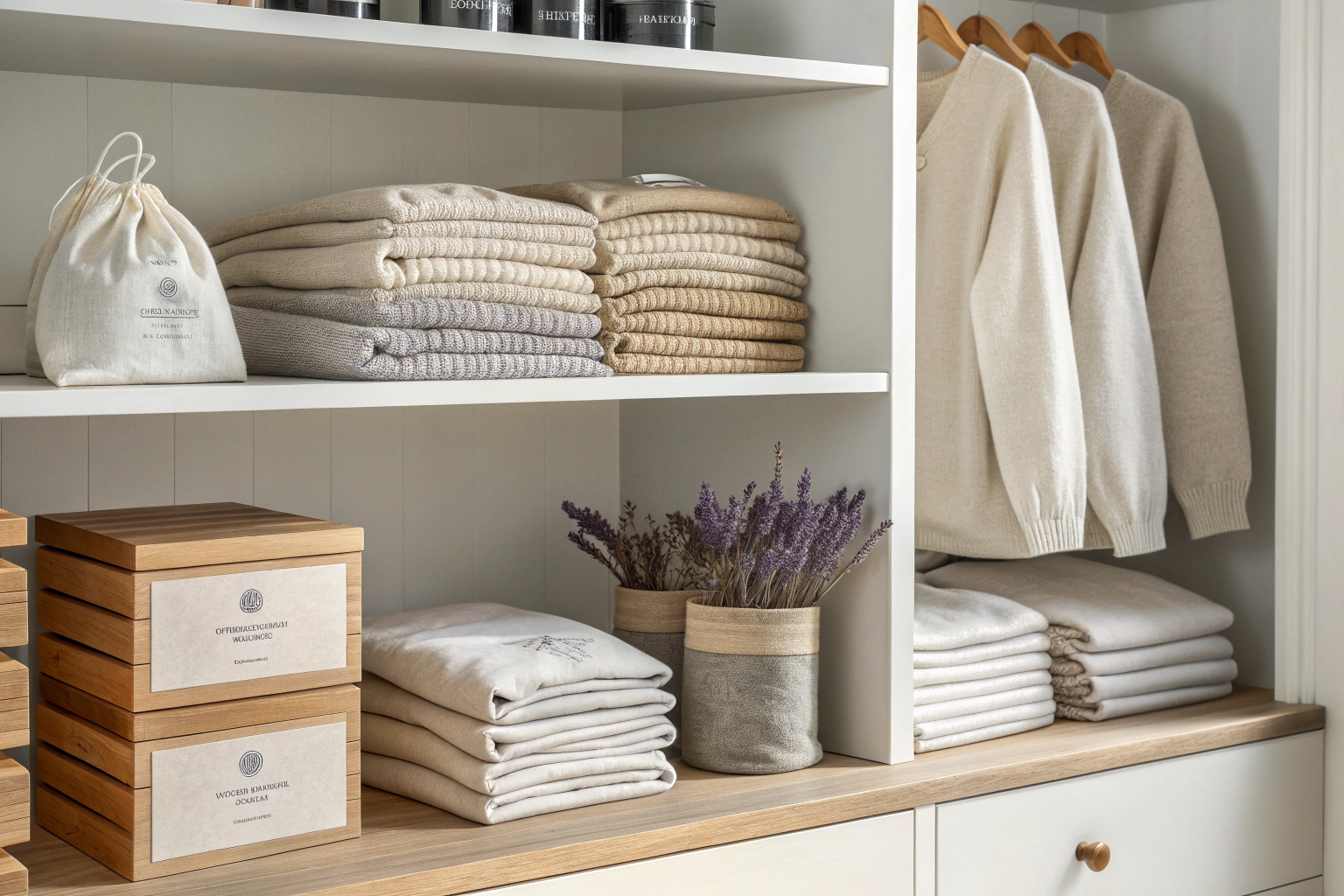
- Store in breathable cotton bags, never plastic
- Maintain storage area humidity below 50%
- Ensure good air circulation around stored items
- Check stored linens every 6 months for early detection
- Use cedar blocks or lavender sachets as natural deterrents
- Keep storage area clean and dust-free
One of my most challenging restoration projects involved extensive mildew damage on a Victorian christening gown that had been stored in a damp basement for decades. The mildew had created black spots throughout the delicate cotton and lace. Using my systematic outdoor treatment process over several sessions, I was able to remove all visible mildew and restore the gown to a condition suitable for display. The key was patience and multiple gentle treatments rather than trying to rush the process.
My after treatment care preserving your results
My post-restoration routine always includes a thorough assessment phase where I examine every inch of the treated fabric under good lighting. I've learned through experience that what looks perfect in artificial light might show residual staining or damage in natural daylight, so I always do my final inspection near a window.
The neutralization process is critical for removing all traces of cleaning agents from the fabric fibers. Any residual chemicals can continue to affect the fabric over time, potentially causing more damage than the original staining. I use multiple rinses with temperature-controlled water, testing the final rinse water pH to ensure complete removal of all alkaline or acidic treatments.
My philosophy about restoration results centers on achieving the best possible improvement while preserving the character and integrity of vintage pieces. Sometimes this means accepting that a piece will never return to perfect condition, but the goal is always to stabilize and improve rather than to achieve modern perfection at the cost of historical authenticity.
My proper drying and storage techniques
I always dry my restored linens using specific methods that prevent new problems while ensuring complete moisture removal. Air drying is essential, but the surface and positioning make a significant difference in the final results.
- DO use acid-free tissue paper between folds
- DO refold items every 6 months to prevent permanent creases
- DO store in cool, dark, dry locations with stable temperature
- DON’T use plastic bags or containers for long-term storage
- DON’T store in attics, basements, or areas with temperature fluctuations
- DON’T use regular cardboard boxes or tissue paper
My storage system includes specific archival materials that I've tested over years of use. I recommend investing in acid-free boxes and tissue paper, as the small additional cost provides enormous long-term benefits for preserving restoration results.
| Storage Method | Best For | Cost | Longevity | Accessibility |
|---|---|---|---|---|
| Acid-free boxes | Flat items, tablecloths | Medium | Excellent | Good |
| Muslin wrapping | Irregular shapes | Low | Very Good | Excellent |
| Cedar chests (lined) | Large collections | High | Good | Fair |
| Archival tubes | Long runners, banners | Medium | Excellent | Fair |
I personally rotate stored linens every six months, reffolding them in different places to prevent permanent creasing. This might seem excessive, but I've seen too many pieces damaged by years of storage in the same fold lines. The extra effort pays off in maintaining the flexibility and appearance of restored textiles.
How I display and use my restored vintage linens
In my own home, I display vintage linens as functional art rather than keeping them hidden away in storage. My approach to using heirloom pieces is based on the belief that these textiles were meant to be enjoyed, not merely preserved as museum artifacts.
- Rotate displayed pieces every few months to prevent uneven fading
- Use UV-filtering glass when framing vintage textiles
- Keep displayed items away from direct sunlight and heat sources
- Consider the room’s humidity levels when choosing display locations
- Use padded hangers for hanging pieces to prevent stress points
- Document special occasions when heirloom pieces are used
I've developed styling techniques that incorporate vintage pieces into modern settings without compromising their preservation. For example, I use vintage tablecloths for special dinners but always place protective padding underneath serving dishes and use charger plates to prevent direct contact with hot items.
The key to successful integration is understanding each piece's limitations and working within them. A delicate 1920s lace runner might be perfect for a side table display but inappropriate for a dining table that sees regular use. By matching the piece to the appropriate use level, I can enjoy these beautiful textiles while ensuring their longevity.
My final thoughts enjoying your restored vintage linens
Throughout my years of restoration work, I've come to believe that the greatest tragedy is beautiful textiles hidden away unused. I find great satisfaction in helping clients understand that proper care allows them to incorporate these pieces into their daily lives rather than treating them as untouchable relics.
- Always start with gentlest methods and escalate gradually
- Test every treatment on hidden areas before full application
- Document condition before and after each treatment attempt
- Proper storage is essential for maintaining restoration results
- Regular use and enjoyment is better than hiding pieces away
- When in doubt, consult professional textile conservators
One of my most meaningful restoration projects involved a Depression-era tablecloth that belonged to a client's grandmother. The yellowing was severe, and the family had given up hope of ever using it again. After successful restoration, they used it for their daughter's wedding reception – four generations connected through a single piece of restored textile. Moments like these remind me why preservation and restoration work matters so much.
The satisfaction that comes from successful restoration extends far beyond the technical achievement. These pieces carry family histories, represent forgotten craftsmanship, and connect us to previous generations in tangible ways. When I restore a yellowed tablecloth to its original pristine condition, I'm not just removing stains – I'm preserving stories and memories for future generations to discover and cherish.
Frequently Asked Questions
Yellow stains on vintage linens are often caused by oxidation over time, exposure to light, improper storage in acidic conditions, or residues from body oils, sweat, and environmental pollutants. These stains develop as fabrics age, especially if not cleaned regularly or stored in humid environments. To prevent worsening, always store vintage linens in acid-free containers away from direct sunlight.
To make yellowed vintage linens white again without damage, start with a gentle pre-soak in a solution of oxygen-based bleach diluted in warm water, avoiding harsh chemicals like chlorine. Rinse thoroughly and air-dry in a shaded area to preserve fabric integrity. For best results, test a small area first and consult a professional for very delicate pieces.
The best pre-soak solution for yellowed vintage linens is a mixture of oxygen bleach, such as sodium percarbonate, dissolved in warm water, which gently lifts stains without harming fibers. Add a bit of white vinegar for extra brightness, and let the linens soak for several hours or overnight. Always rinse well and avoid hot water to prevent setting the stains further.
Yes, hydrogen peroxide can effectively remove yellow stains from old linens as it’s a mild oxidizing agent that breaks down discoloration without harsh effects. Dilute it with water and apply to the stained area, letting it sit before rinsing. However, test on a hidden spot first, as it may not be suitable for all fabrics or colored patterns.
Oxygen bleach is generally safe for vintage fabrics because it’s non-chlorine based and less abrasive than traditional bleaches, making it ideal for delicate materials like cotton or linen. It works by releasing oxygen to lift stains gently when dissolved in water. Use it in moderation and always follow with thorough rinsing to avoid residue buildup.
An effective vinegar solution for removing yellow stains from vintage linens involves mixing one part white vinegar with four parts water, soaking the fabric for a few hours to naturally brighten and neutralize odors. For tougher stains, add baking soda to create a fizzing reaction that helps lift discoloration. Rinse completely afterward and dry flat to maintain the linen’s shape.