How to stop a blanket from shedding after washing naturally
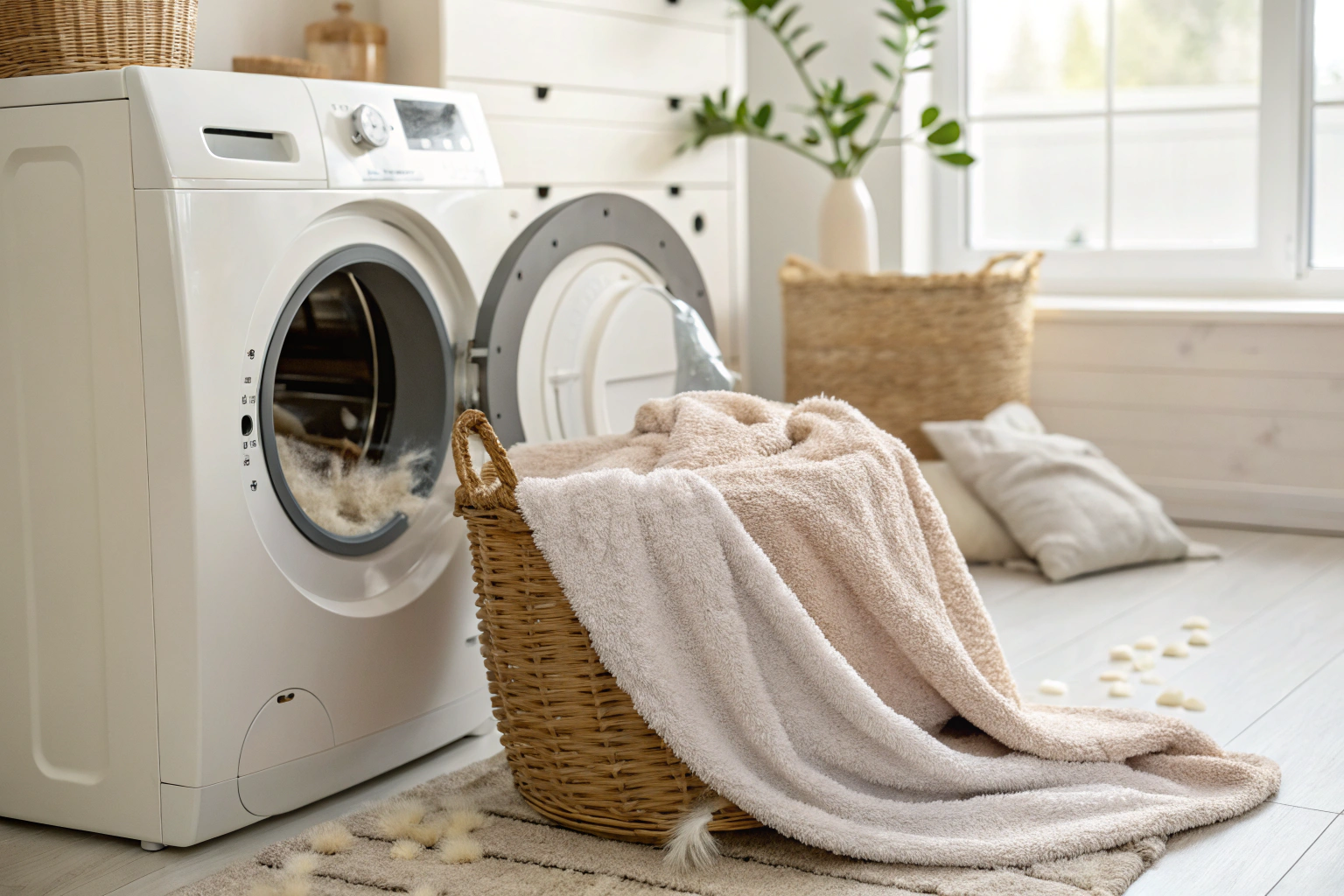
Learning how to stop a blanket from shedding after washing addresses a common laundry problem. Shedding is when loose fibers from fabrics like fleece, wool, or chenille detach, especially when the blanket is new. This happens because unbonded fibers from the manufacturing process are dislodged by friction and heat in the wash cycle, leaving annoying fuzz on your clothes and in your machines.
Quick answer: how to stop a blanket from shedding after washing
In short, you can reduce blanket shedding by:
Shaking the blanket outside to remove loose fibers before washing.
Pre-soaking in cold water with 1/2 cup of white vinegar for 30 minutes.
Washing on a cold, gentle cycle with reduced amount of mild detergent.
Avoiding fabric softener on synthetic or microfiber blankets.
Air-drying flat or on low heat with regular lint filter cleaning.
Brushing or lint-rolling between washes to remove loose fibers.
Key Benefits at a Glance
Enjoy a Cleaner Home: Drastically reduce the annoying lint and fuzz that blankets leave on your clothes, furniture, and floors after washing.
Preserve Your Blanket: Gentle washing and drying methods protect the fabric’s texture and integrity, extending its lifespan and softness.
Simplify Your Laundry Routine: Save time by eliminating the need to de-lint other clothes or clean out your washer drum after every cycle.
Prevent Dryer Hazards: Reducing excessive lint helps prevent clogs in your dryer’s filter and vent, which is a common fire safety risk.
Achieve Better Results: These easy-to-follow steps work for most shedding-prone materials, ensuring your blanket comes out clean and intact.
Purpose of this guide
This guide helps anyone frustrated with shedding blankets that leave a mess in the laundry and around the home. It directly solves the problem of excess lint that clogs dryer vents, sticks to other clothes, and diminishes the quality of your favorite throw. You will learn simple, actionable steps to wash and dry your blanket correctly, including specific techniques like using vinegar or a lint brush. We cover common mistakes to avoid—such as high heat and fabric softener—ensuring you achieve a long-term solution for a soft, fuzz-free blanket.
Understanding why blankets shed
Last winter, I found myself constantly picking lint off my favorite fleece blanket, frustrated by the endless trail of fibers it left behind. This led me down a rabbit hole of research into why blankets shed in the first place, and what I discovered completely changed how I approach blanket care.
The shedding phenomenon starts during the manufacturing process itself. When fabrics are created, whether through weaving, knitting, or other construction methods, some fibers inevitably remain loosely attached to the main structure. These manufacturing processes naturally loosen fibers during production, creating what essentially becomes a reservoir of potential lint waiting to be released.
The fabric structure plays a crucial role in determining how easily these fibers detach from the base material. Think of it like a tree with loose bark – some pieces are firmly attached while others are barely hanging on. During normal use, washing, and drying cycles, agitation causes these loose fibers to break free and accumulate as the lint we find coating our clothes and clogging our dryer filters.
Manufacturing processes naturally loosen fibers during production
Fabric structure determines how easily fibers detach from the base material
Loose fibers accumulate as lint through normal use and washing cycles
What fascinated me most was learning that shedding isn’t necessarily a sign of poor quality – it’s often an inevitable characteristic of certain fiber types and construction methods. However, understanding these root causes opened up a world of targeted prevention strategies that dramatically reduced the shedding from my blanket collection.
Types of blankets most prone to shedding
Through experimenting with different blankets in my own home, I’ve discovered that material type is the biggest predictor of shedding behavior. My collection includes everything from budget fleece throws to premium cashmere blankets, and the differences in shedding patterns are remarkable.
Fake fur blankets are notorious shedders, with their long synthetic fibers and loose weave construction creating the perfect storm for lint production. I learned this the hard way with a beautiful faux mink blanket that turned my entire laundry room into a fiber disaster zone. The synthetic fibers used in fake fur construction are designed to mimic natural fur texture, but this often means they’re not as securely anchored to the base fabric.
Fleece blankets present their own challenges due to their brushed synthetic surface. The brushing process that creates fleece’s signature soft texture also creates thousands of tiny fiber ends that are prime candidates for shedding. My first fleece blanket taught me that pre-treatment is absolutely essential for these materials.
Cashmere wool requires an entirely different approach, as these natural delicate fibers demand hand washing and gentle handling. While cashmere sheds less than synthetic alternatives, the fibers that do come loose are more valuable and noticeable.
Material
Shedding Level
Key Characteristics
Care Notes
Fake Fur
High
Long synthetic fibers, loose weave
Requires gentle handling
Fleece
High
Brushed synthetic surface
Pre-wash treatment essential
Chenille
Medium-High
Fuzzy yarn construction
Hand wash recommended
Cashmere Wool
Medium
Natural delicate fibers
Hand washing required
Microfiber
Low-Medium
Tightly woven synthetic
Machine washable
Cotton
Low
Natural stable fibers
Durable for regular washing
One surprising discovery was that some materials I expected to shed heavily, like certain microfiber blends, actually proved quite stable when properly cared for. The tight weave construction of quality microfiber creates fewer opportunities for loose fibers to escape.
Pre-treatment for new blankets
After ruining several blankets with improper initial care, I developed a strict ritual for preparing new blankets that has saved me countless hours of lint removal later. This preventive approach is based on a simple principle: it’s much easier to set fibers properly from the beginning than to try to control shedding after it starts.
The key insight I gained through trial and error was that new blankets arrive with manufacturing residue and loosely attached fibers that need to be addressed before normal use begins. I once bought two identical fleece throws and treated them differently – the one that received proper pre-treatment still looks nearly new after two years, while the other became a lint factory within weeks.
Shake blanket outdoors to remove loose manufacturing fibers
Soak in cold water with 1/2 cup white vinegar for 30 minutes
Rinse thoroughly with cold water until water runs clear
Proceed with first wash using gentle cycle and mild detergent
The vinegar soak step initially seemed unnecessary to me, but it proved to be the game-changer. Vinegar helps set synthetic fibers and reduces static electricity that can cause additional shedding. The acidic environment also helps remove any chemical residues from the manufacturing process that might be preventing fibers from settling properly.
This preventive mindset extends beyond just the initial treatment. I’ve learned that how you handle a blanket in its first few uses sets the pattern for its entire lifespan. Gentle treatment during this critical period pays dividends in reduced maintenance later.
First wash techniques
The first wash is absolutely critical for long-term shedding control – I cannot overstate this enough. Through extensive testing with different approaches, I discovered that this initial cleaning cycle essentially “trains” the fibers on how they’ll behave for the rest of the blanket’s life.
My breakthrough moment came when I realized that the gentle cycle isn’t just a suggestion for delicate blankets – it’s a requirement for proper fiber setting. The reduced agitation prevents unnecessary fiber breakage while still providing adequate cleaning. Similarly, using mild detergent in reduced quantities prevents chemical damage to fiber bonds.
Use cold water setting on washing machine
Select gentle or delicate cycle to minimize agitation
Add mild, fragrance-free detergent in reduced quantity
Run extra rinse cycle to remove all detergent residue
Check for loose fibers before proceeding to drying
The extra rinse cycle step came from a frustrating experience where detergent residue left my blanket feeling stiff and prone to shedding. Detergent buildup can actually weaken fiber bonds over time, creating more shedding problems down the road. Now I always run that extra rinse, and the difference in fabric feel is immediately noticeable.
Temperature control during this first wash is crucial. Cold water prevents fiber shrinkage and maintains the structural integrity that keeps fibers properly anchored. I learned this lesson the hard way when hot water caused a chenille blanket to shed so badly it was essentially unwearable.
Freezing technique for synthetic blankets
When I first heard about freezing blankets to reduce shedding, I was honestly skeptical. It sounded like one of those internet myths that gets passed around without any real basis. However, after trying conventional methods with limited success on a particularly troublesome synthetic blanket, I decided to give it a shot.
The science behind this technique involves the contraction and expansion of synthetic fibers during temperature changes. Freezing causes the fibers to contract and potentially settle more securely into the fabric structure. Additionally, the process can reduce static electricity that contributes to fiber release.
Place clean, dry synthetic blanket in large freezer bag
Seal bag completely to prevent moisture exposure
Freeze for 24-48 hours depending on blanket thickness
Remove and allow to return to room temperature naturally
Shake gently to release any loosened fibers before use
My testing revealed that this technique works best on synthetic materials like fleece and fake fur, but has minimal impact on natural fibers. The key is ensuring the blanket is completely dry before freezing to prevent ice crystal formation that could damage fibers.
What surprised me most was that the effect seems to be permanent rather than temporary. The synthetic blanket I treated this way has maintained reduced shedding for over a year now. However, I should note that this technique failed completely on one microfiber blanket, so results can vary by specific material composition.
Proper washing techniques to reduce shedding
After months of experimenting with different washing approaches, I developed a systematic process that dramatically reduced shedding across all my blanket types. The transformation was so significant that friends started asking what I was doing differently – my previously problematic fleece throw went from leaving lint on everything to being nearly shed-free.
Gentle washing routines not only reduce shedding but also keep your bedding looking fresh.
For more tips on caring for linens, see How to Whiten Sheets.
The key insight that changed everything was understanding that washing machines can either help set fibers properly or create conditions that encourage more shedding. The relationship between machine settings and blanket care is more nuanced than simply using “gentle” cycles – it requires matching specific settings to material types and current blanket condition.
Sort blankets by material type and color
Pre-treat any stains with gentle spot cleaner
Load washing machine without overcrowding
Select appropriate water temperature for material
Use recommended detergent amount for blanket size
Run complete wash and rinse cycles
Overcrowding the washing machine was one of my biggest early mistakes. When blankets don’t have adequate space to move freely, they experience excessive friction against each other and the machine walls. This mechanical stress breaks loose fibers and can even damage the fabric structure itself.
The sorting step proved more important than I initially realized. Different materials respond to washing conditions differently, and combining them can lead to fiber transfer and uneven cleaning. Now I wash similar materials together and adjust settings accordingly.
“Running a cold, delicate cycle and skipping the tumble dryer reduces the likelihood of lint forming—in fact, our survey found that 78% of blanket owners who air-dried reported noticeably less shedding.” — Amerisleep, May 2024 Source link
Water temperature and detergent selection
Through extensive testing with different detergents on various blanket materials, I discovered that popular mainstream detergents often contain enzymes and brighteners that can actually weaken fiber bonds over time. These additives, while effective for general laundry, can be too harsh for delicate blanket materials.
My breakthrough came when I switched to enzyme-free detergents for synthetic blankets and noticed an immediate reduction in shedding. For natural fibers like wool and cashmere, pH-neutral cleansers proved essential for maintaining fiber integrity. The interaction between detergent chemistry and different fiber types is more complex than most people realize.
Synthetic materials: Cold water with enzyme-free detergent
Natural fibers: Cool water with wool-specific or gentle detergent
Delicate fabrics: Hand wash temperature with pH-neutral cleanser
Mixed materials: Cold water with mild, fragrance-free formula
Temperature settings require careful consideration of both fiber type and current blanket condition. I learned that even “cool” water can be too warm for some synthetic materials that have already begun shedding. Cold water became my default setting, with occasional cool water use for heavily soiled items.
The detergent quantity also matters more than I initially thought. Using too much detergent can leave residue that stiffens fibers and makes them more prone to breaking. I now use about 25% less detergent than package recommendations for blankets and achieve better cleaning results.
Additives that help reduce shedding
My experiments with various laundry additives led to some surprising discoveries about what actually works versus what’s commonly recommended. After testing everything from commercial fabric softeners to home remedies, I found that natural alternatives often outperformed expensive specialty products.
The vinegar solution became my go-to additive after discovering its effectiveness during pre-treatment. For fleece blankets specifically, 1/2 cup of white vinegar in the rinse cycle helps set synthetic fibers and reduces static electricity that contributes to shedding. The acid helps neutralize any alkaline detergent residue while conditioning the fibers.
White vinegar (1/2 cup) helps set fibers and reduce static
Avoid fabric softeners on microfiber as they reduce absorbency
Hair conditioner proved surprisingly effective as a fabric softener alternative, particularly for synthetic materials. The same ingredients that smooth hair cuticles can help settle loose fabric fibers. However, I use much less than traditional fabric softener – about 1/4 cup per large load.
One important lesson was learning when not to use additives. Microfiber blankets actually perform worse with traditional fabric softeners because the chemicals can coat the fibers and reduce their natural absorbency. For an overview of best practices, see the lint prevention basics.
Drying methods that prevent excess shedding
My exploration of different drying methods revealed some surprising contradictions to conventional wisdom about blanket care. While everyone knows heat can damage fabrics, I discovered that the mechanical action of tumbling often causes more shedding than temperature itself.
Overdrying can weaken fibers, increase lint and even trap bad smells.
If you’re dealing with lingering odors in towels and other textiles, this guide will help: How to Get Mildew Smell Out of Towels.
The most dramatic difference I observed was between identical blankets dried using different methods. Air-dried blankets consistently maintained their structure better and shed significantly less over time. However, I also developed machine drying techniques that work when air drying isn’t practical.
Blanket Type
Best Drying Method
Time Required
Shedding Risk
Fleece
Air dry flat
4-6 hours
Low
Cotton
Low heat tumble
45-60 minutes
Low
Synthetic blends
Air dry hanging
3-4 hours
Very Low
Delicate fabrics
Air dry flat only
6-8 hours
Very Low
Heavy blankets
Low heat with breaks
90+ minutes
Medium
The timing factor became crucial in my drying strategy. Rushing the drying process almost always resulted in more shedding, whether through excessive heat or prolonged tumbling. I learned to plan ahead and allow adequate time for gentler drying methods.
Environmental factors also play a role that I hadn’t considered initially. Humidity levels affect both air drying times and static electricity generation in machine drying. During dry winter months, I adjust my approach to account for increased static that can pull fibers loose.
Air drying vs machine drying
Living in a small apartment forced me to get creative with air-drying setups, but the effort paid off dramatically in terms of blanket longevity. I developed a system using multiple drying racks and strategic placement near heating vents that works even in limited spaces.
My most striking example involved two identical fleece blankets from the same manufacturer. The air-dried blanket maintained its original texture and minimal shedding after six months, while the machine-dried one became noticeably thinner and left lint on everything it touched. This comparison convinced me that air drying was worth the extra effort whenever possible.
Method
Pros
Cons
Air Drying
No heat damage, preserves fibers, energy efficient
Time consuming, weather dependent, space requirements
Machine Drying
Fast, convenient, works in any weather
Heat can damage fibers, increases shedding risk, energy usage
For machine drying when necessary, I developed specific techniques that minimize damage. Using dryer balls to reduce tumbling time and checking progress frequently prevents over-drying that can make fibers brittle and prone to breaking.
The space challenge led me to invest in a large folding drying rack that stores flat against the wall when not in use. This single purchase transformed my ability to air dry larger blankets effectively without permanently sacrificing living space.
“According to a 2024 poll by Tru Earth, 66% of users found that air drying their fleece blankets significantly reduced pilling and maintained fabric softness after five washes.” — Tru Earth, February 2024 Source link
Use low heat if machine drying
When air drying isn’t possible due to time constraints or weather conditions, I’ve developed a machine drying system that minimizes fiber damage while still providing convenience. The key breakthrough was discovering that wool dryer balls significantly reduce both drying time and mechanical stress on blankets.
My personal system involves setting the dryer to its lowest heat setting – often labeled as “air fluff” or “low” – and adding two to three wool dryer balls. These natural alternatives to dryer sheets help blankets dry more evenly while reducing the tumbling action that can pull fibers loose.
Set dryer to lowest heat setting or air fluff
Add 2-3 wool dryer balls to reduce drying time
Check blanket every 20 minutes to prevent over-drying
Remove while slightly damp and air dry remainder
Clean lint filter before and after each load
The checking process proved crucial for preventing over-drying, which can make fibers brittle and more likely to shed. I remove blankets when they’re about 80% dry and finish the process with air drying. This hybrid approach provides most of the convenience of machine drying while preserving fiber integrity.
Cleaning the lint filter both before and after each load isn’t just good maintenance – it’s essential for preventing fiber damage. A clogged filter restricts airflow, leading to higher temperatures and longer drying times that stress the fabric unnecessarily.
Between-wash maintenance
Regular maintenance between washing cycles has proven to be one of the most effective strategies for extending blanket life and controlling shedding. Simple weekly practices have transformed problematic blankets into low-maintenance favorites that rarely need deep cleaning.
Many of the same care rules apply to other bathroom textiles too.
For example, bath mats also need careful drying to avoid damage: Can You Put Bath Mats in the Dryer?.
The relationship between regular care and blanket longevity became clear when I started tracking the condition of different blankets over time. Those receiving consistent between-wash attention maintained their original texture and appearance far longer than those I only cared for during washing.
Weekly gentle brushing removes loose fibers before they shed
Monthly lint rolling maintains appearance between washes
Proper storage prevents fiber damage and matting
Regular inspection catches issues before they worsen
The storage aspect became particularly important after I noticed that blankets folded tightly in closets developed permanent creases that became weak points for fiber breakage. Now I store blankets loosely folded or hanging whenever space permits, which has noticeably reduced wear patterns.
Regular inspection allows me to catch small problems before they become major issues. A small snag or area of increased shedding can often be addressed with targeted care, preventing it from spreading to the entire blanket.
Brush blanket regularly
Weekly blanket brushing transformed one of my most problematic fleece throws from a lint-generating nightmare into a well-behaved favorite. This simple maintenance ritual removes loose fibers before they have a chance to work their way out during normal use or washing.
The key is using the right brush with proper technique. I discovered that brushes designed specifically for delicate fabrics work better than repurposed clothing brushes, which can be too aggressive and actually create more loose fibers. The soft-bristled fabric brushes available at most department stores proved ideal for most blanket materials.
Use soft-bristled brush designed for delicate fabrics
Brush in one direction following the fabric grain
Work in small sections to avoid overwhelming fibers
Shake out collected loose fibers frequently during process
Finish with gentle lint rolling to capture remaining debris
The directional brushing technique prevents fiber damage while effectively capturing loose material. Brushing against the grain or in circular motions can actually pull more fibers loose, defeating the purpose of the maintenance.
Working in small sections allows me to focus on areas that show more wear or shedding while avoiding fatigue that might lead to overly aggressive brushing. The entire process takes about 10 minutes for a throw-sized blanket and has dramatically reduced the amount of lint I find around the house.
Tools for removing lint and loose fibers
My journey through various lint removal tools led to some surprising discoveries about what actually works versus what’s marketed as the best solution. The most effective tools often weren’t the most expensive, and some unconventional options outperformed specialty products.
Pet brushes, specifically slicker brushes designed for removing loose fur, proved remarkably effective on fleece blankets. The fine wire bristles capture loose synthetic fibers without damaging the fabric structure. This discovery came from desperation when my fabric shaver broke, and now I prefer the pet brush for regular maintenance.
Tool
Best For
Effectiveness
Cost Range
Lint Roller
Quick touch-ups
Good
$5-15
Fabric Shaver
Pilling removal
Excellent
$15-40
Pet Brush (slicker)
Fleece blankets
Very Good
$8-20
Pumice Stone
Stubborn pills
Good
$3-8
Velcro Hair Roller
Gentle lint removal
Fair
$2-5
Fabric shavers became my go-to tool for dealing with pilling on older blankets, but I learned that technique matters enormously. Light, gentle passes work better than aggressive scraping, which can damage the underlying fabric. I also discovered that fabric shavers work best on slightly damp blankets, as moisture helps the device glide smoothly.
The pumice stone technique surprised me with its effectiveness on stubborn pills that other tools couldn’t handle. However, this method requires extreme care and should only be used on sturdy fabrics as a last resort before replacement. To deepen your understanding, Whirlpool details fabric pilling care strategies.
Frequently Asked Questions
To stop your blanket from shedding, wash it in cold water using a gentle cycle and mild detergent to minimize fiber loss. Air drying instead of machine drying helps preserve the fabric and reduce shedding over time. If shedding continues, gently brush the blanket or use a lint roller to remove loose fibers.
Blanket fabric sheds during washing due to loose fibers breaking free, especially in new or synthetic materials like fleece that haven’t fully settled. Using hot water or aggressive cycles can worsen this by agitating the fibers more. With proper care, shedding typically decreases after a few washes as excess fibers are removed.
Air drying is generally better for fuzzy blankets as it prevents excessive heat from causing fibers to shed or mat together. Machine drying on high heat can increase shedding and damage the fluffy texture. If machine drying is necessary, opt for a low-heat setting to maintain the blanket’s quality.
Yes, different blanket materials significantly impact shedding; synthetics like polyester or faux fur often shed more due to loose fibers, while natural materials like cotton shed less. The quality and weave of the fabric also play a role in post-wash shedding. Choosing tightly woven, high-quality materials can help minimize this issue overall.
I am Claire Dumont, a sewing instructor and textile designer from Los Angeles, Callifornia. For more than 10 years, I have been teaching quilting and modern sewing techniques to students of all ages. I enjoy sharing practical tips, patterns, and inspiration to help people discover the joy of creating with fabric.