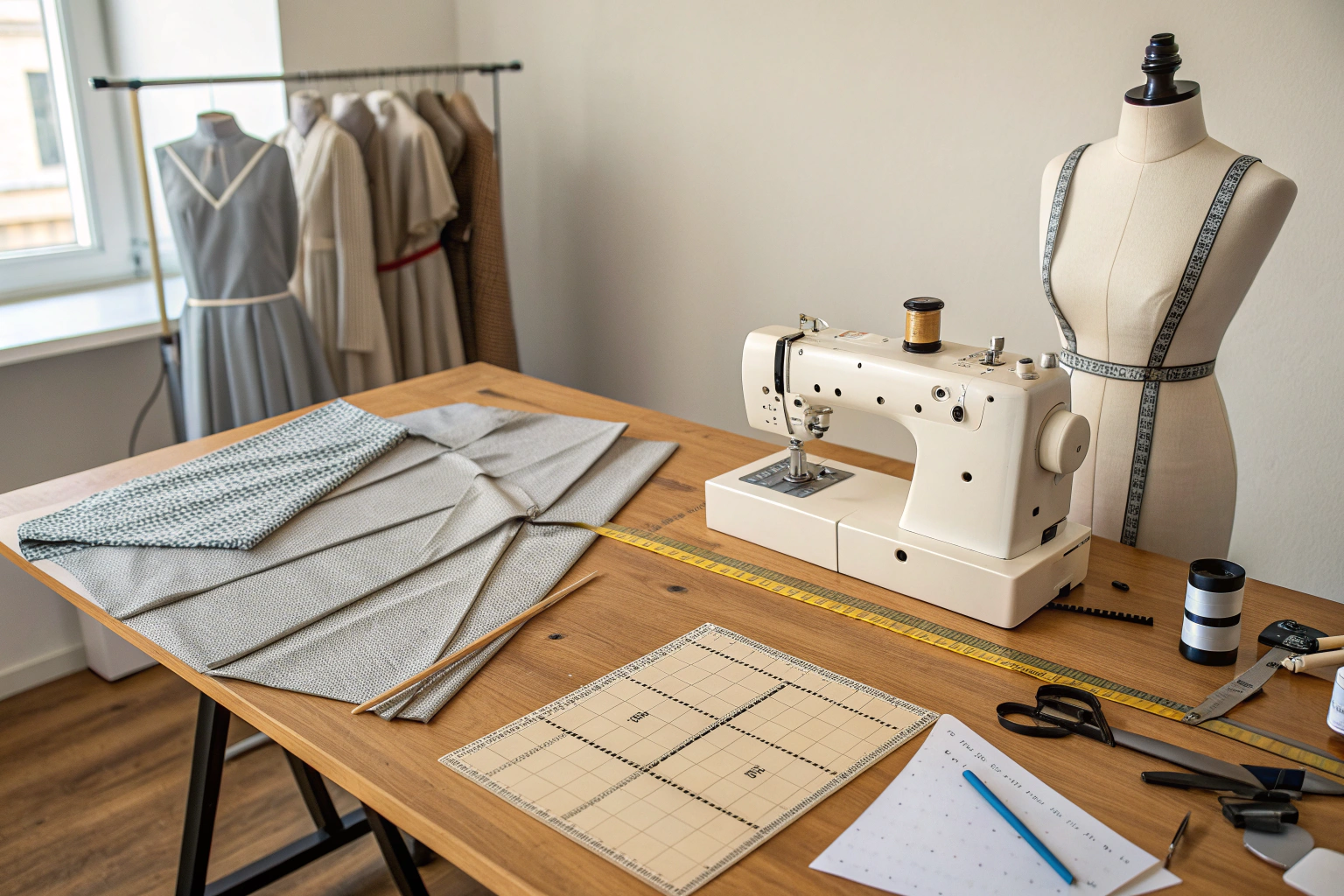
The main difference in the seamstress vs tailor debate lies in their training and scope of work. A seamstress typically specializes in sewing and performing alterations on existing garments, such as hemming pants, mending seams, or adjusting waistlines. A tailor, on the other hand, has advanced skills in designing, constructing, and fitting custom clothing from scratch, particularly structured items like suits, jackets, and formal wear. Knowing which professional to hire ensures you get the right expertise for your specific clothing needs.
Key Benefits at a Glance
- Save Money: Choose a seamstress for simple, affordable tasks like repairs and hems, avoiding higher tailor fees.
- Get a Perfect Fit: Hire a tailor for complex alterations or custom-made garments like suits and wedding dresses to ensure flawless construction.
- Protect Your Clothes: Entrust valuable or structured jackets and formalwear to a tailor to prevent irreversible damage from improper alterations.
- Save Time: Avoid wasted trips by knowing who to call first—a seamstress for quick fixes or a tailor for major reconstruction projects.
- Communicate Clearly: Understanding the roles helps you explain your needs accurately, ensuring the professional can deliver the desired result.
Purpose of this guide
This guide is for anyone needing clothing alterations or custom-made garments who is unsure whether to hire a seamstress or a tailor. It solves the common problem of choosing the wrong professional, which can lead to poor fits, damaged clothing, or overpaying for simple jobs. By reading this, you will learn the specific tasks each expert handles, helping you confidently decide who to hire for anything from a simple zipper repair to a fully bespoke suit. This knowledge prevents costly mistakes and ensures your garments fit perfectly.
My Experience Navigating the Distinct Worlds of Seamstresses and Tailors
Last spring, I made a costly mistake that taught me a valuable lesson about the fashion industry. I needed a wedding dress altered and assumed any clothing professional could handle the job. I walked into the first shop I found—a tailor specializing in men's suits—and confidently handed over my intricate beaded gown. Three weeks later, I picked up a disaster. The delicate fabric was puckered, the beadwork was damaged, and the silhouette was completely wrong. That's when I learned that not all clothing professionals are created equal.
This experience launched me into a deep dive into understanding the distinct worlds of seamstresses and tailors. Over the past decade, I've worked with dozens of clothing professionals across various projects, from custom evening gowns to bespoke suits. What I've discovered is that these two professions, while often confused, require fundamentally different skill sets, tools, and approaches to garment work.
- Seamstresses specialize in creating new garments from patterns and raw materials
- Tailors focus on precise alterations and custom fitting of existing garments
- Each profession requires distinct skill sets and specialized tools
- Understanding these differences ensures you hire the right professional for your project
How I Define the Unique Roles of Seamstresses and Tailors
“A seamstress creates garments from the ground up, weaving imagination into reality, whereas a tailor refines and reshapes existing pieces to perfection.”
— Kutetailor, 2024
Source link
After years of observing both professions in action, I've come to understand that the fundamental difference lies in their primary focus areas. A seamstress is essentially a garment creator who transforms raw materials—fabric, patterns, and notions—into finished clothing pieces. They excel at interpreting design concepts and bringing them to life through skilled construction techniques.
In contrast, a tailor operates as a garment modifier and perfecter. Their expertise lies in taking existing pieces and reshaping them to achieve the ideal fit and silhouette. While seamstresses build from scratch, tailors work with established structures, understanding how to manipulate seams, darts, and proportions to create custom fits.
| Aspect | Seamstress | Tailor |
|---|---|---|
| Primary Focus | Creating new garments | Altering existing garments |
| Typical Projects | Bridal wear, home décor, pattern-based clothing | Suit alterations, formal wear fitting, repairs |
| Historical Context | Domestic garment creation | Guild-based structured garment fitting |
| Main Skills | Pattern making, fabric construction | Precision alterations, bespoke fitting |
The modern fashion landscape has blurred these traditional lines somewhat, with many professionals developing cross-over skills. However, the core distinctions remain relevant when selecting the right expert for your specific project needs.
The Historical Evolution I've Observed in Both Professions
Through my visits to traditional ateliers and conversations with master craftspeople, I've learned that these professions evolved from distinctly different origins. Historically, tailoring emerged from medieval guild systems where apprentices spent years learning the precise art of fitting structured garments, particularly for men's formal wear. The tailor's craft was considered more prestigious, often associated with serving wealthy clientele who demanded perfect fits for their suits and formal attire.
Seamstresses, on the other hand, developed their skills primarily in domestic settings, focusing on creating household textiles, women's clothing, and children's garments. Their work emphasized creativity and versatility rather than the rigid precision required in tailoring. This historical context explains why seamstresses became adept at working with flowing fabrics and decorative techniques, while tailors mastered the art of structured garment manipulation.
The gender associations that developed around these professions were largely cultural rather than skill-based. I've observed that these traditional boundaries have significantly loosened in contemporary fashion, with professionals of all genders excelling in both fields.
How I've Seen These Roles Transform in Modern Fashion
Today's fashion industry has created exciting opportunities for both professions to expand their traditional boundaries. I've worked with seamstresses who've mastered tailoring techniques and tailors who've developed pattern-making skills. The rise of custom fashion and the maker movement has particularly benefited seamstresses, as consumers increasingly seek unique, handmade pieces rather than mass-produced clothing.
The ready-to-wear industry's dominance has actually strengthened the tailor's role, as people purchase off-the-rack clothing that requires professional fitting. Meanwhile, seamstresses have found new markets in sustainable fashion, where their ability to create garments from scratch aligns with environmentally conscious consumers who prefer quality over quantity.
Both professions now serve broader audiences than their historical counterparts. Modern seamstresses work with casual wear, activewear, and even technical fabrics, while tailors have expanded beyond formal menswear to include women's professional attire and luxury casualwear alterations.
The Specialized Skills I Look for in Seamstresses and Tailors
When evaluating clothing professionals, I've learned to assess their skills based on their specialty focus. The expertise required for each profession differs significantly, though both demand exceptional attention to detail and manual dexterity. Understanding these skill differences has helped me set appropriate expectations and choose the right professional for each project.
While tailors excel at structured wool suiting, seamstresses often handle delicate fabrics like Tencel, which requires understanding fabric behavior to avoid shrinkage or distortion during alterations.
Seamstress skills center around construction and creativity. They must understand fabric properties, pattern interpretation, and garment assembly from the ground up. Their work requires spatial reasoning to visualize how flat pattern pieces will transform into three-dimensional garments. Tailor skills, conversely, focus on modification and precision fitting. They need advanced understanding of garment structure, body proportions, and the mathematical precision required to alter existing pieces without compromising their integrity.
- Pattern drafting and modification
- Fabric selection and preparation
- Garment construction from scratch
- Embellishment and decorative techniques
- Home décor and soft furnishing creation
- Precision measuring and fitting
- Structural garment alterations
- Bespoke garment creation
- Complex repair techniques
- Formal wear customization
Both professions require continuous learning as fashion trends, fabric technologies, and construction methods evolve. The best professionals I've worked with maintain their skills through ongoing education and practice, staying current with industry developments while honoring traditional techniques.
What Makes a Seamstress's Expertise Unique in My Experience
A seamstress constructs new items from patterns, including dresses, costumes, and home textiles, emphasizing creation over modification.
The seamstresses I've collaborated with possess an almost architectural understanding of garment construction. They can look at a design sketch or photograph and mentally deconstruct it into pattern pieces, understanding how each component will interact during assembly. This skill extends beyond simple pattern following—master seamstresses can draft original patterns, modify existing ones, and troubleshoot construction challenges in real-time.
Their fabric expertise impresses me most. Experienced seamstresses can touch a fabric and immediately understand its drape, stretch, and behavior during construction. They know which fabrics work best for specific garment styles and can suggest alternatives when a client's initial choice won't achieve the desired result. This knowledge extends to understanding fabric grain lines, stretch properties, and how different materials will age and wear.
The creative aspect of seamstress work sets it apart from other garment professions. They often serve as design consultants, helping clients refine their vision and suggesting improvements based on practical construction knowledge. I've watched seamstresses transform vague ideas into stunning finished garments through this collaborative design process.
The Tailor's Craft: Precision Alterations I've Witnessed Firsthand
“Tailors often work with fitted or individualized garments, such as jackets, suits and tuxedos, dresses and wedding gowns and other formal wear.”
— Indeed, 2024
Source link
Watching a master tailor work is like observing a surgeon—every movement is precise, calculated, and purposeful. The tailors I've observed possess an intuitive understanding of human body proportions and how garments should sit to create the most flattering silhouette. They can assess a client's posture, body shape, and movement patterns to determine exactly which adjustments will achieve the perfect fit.
Their measuring skills go far beyond basic bust, waist, and hip measurements. Skilled tailors take dozens of measurements, accounting for shoulder slope, arm length variations, and subtle asymmetries that affect how garments hang. They understand that true custom fitting requires accommodating individual body characteristics rather than forcing bodies to conform to standard sizing.
The mathematical precision required in tailoring amazes me. When shortening a jacket, for example, a tailor must consider how this change affects button placement, pocket positioning, and overall proportions. They work with millimeter-level accuracy, understanding that small adjustments can make dramatic differences in the final appearance.
Tools and Techniques That Set the Professionals Apart
The equipment and tools used by seamstresses and tailors reflect their different specializations and working methods. Professional-grade tools are essential for achieving the quality results that distinguish expert work from amateur attempts. Through my workshop visits, I've learned to recognize the signs of a well-equipped professional versus someone working with inadequate tools.
Quality tools enable precision work and efficiency. The best professionals I've worked with invest significantly in their equipment, understanding that superior tools produce superior results. They also maintain their tools meticulously, keeping cutting instruments sharp and machines properly calibrated.
The workspace setup also reveals professional competence. Organized workshops with proper lighting, pressing equipment, and storage systems indicate attention to detail that carries over into the finished work.
Essential Tools I've Seen in Professional Seamstress Workshops
Professional seamstress workshops contain specialized equipment designed for garment construction from scratch. The industrial sewing machines I've observed can handle multiple fabric types and thicknesses, producing consistent, durable seams that home machines cannot achieve. These machines often include specialized features like automatic thread cutting and programmable stitch patterns.
Pattern-making tools occupy significant space in seamstress workshops. Large cutting tables, pattern paper, and specialized rulers enable accurate pattern drafting and modification. The cutting tools—including rotary cutters, fabric shears, and specialized scissors—are maintained with surgical precision to ensure clean, accurate cuts.
- Industrial sewing machines for heavy fabrics
- Sergers for professional edge finishing
- Pattern-making rulers and curves
- Fabric cutting mats and rotary cutters
- Embroidery machines for decorative work
Pressing equipment in seamstress workshops goes beyond basic irons. Professional steam irons, pressing hams, and specialized pressing tools enable proper shaping and finishing of constructed garments. Many seamstresses also maintain fabric steamers for delicate materials that cannot withstand direct iron contact.
Must-Have Equipment I Look for in a Master Tailor's Workshop
Tailor workshops emphasize precision measuring and pressing equipment over construction tools. The pressing stations I've seen in master tailor shops are extensive, featuring multiple irons, steam sources, and specialized pressing forms for different garment areas. Proper pressing is crucial in tailoring, as it shapes seams and creates the crisp lines that distinguish professional alterations.
Measuring instruments in tailor workshops include not only traditional tape measures but also specialized tools for checking garment proportions and ensuring symmetrical alterations. Some tailors use fitting forms adjusted to client measurements for complex alteration projects.
- Professional pressing equipment and steam irons
- Precision measuring tools and fitting aids
- Tailoring shears for structured fabrics
- Hand-sewing needles for bespoke work
- Alteration-specific marking tools
The hand-sewing tools in tailor workshops often surprise people accustomed to machine-dominated seamstress work. Many tailoring techniques require hand-stitching for invisible repairs and custom finishing work. Quality needles, threads, and thimbles are essential for this precision handwork.
My Guide to Choosing Between a Seamstress and a Tailor
Selecting the right professional for your project requires understanding both your needs and each profession's strengths. I've developed a decision-making framework based on project type, desired outcome, and timeline considerations. The key is matching your specific requirements with the professional whose skills best address those needs.
If you’re hemming jeans by hand or adding decorative elements, a seamstress is typically the right choice—especially for projects involving flexibility, creativity, or fabric like denim that doesn’t require structural reshaping.
Consider the garment's current state: if you're starting with fabric and patterns, you need a seamstress. If you have an existing garment requiring modifications, a tailor is your best choice. However, some projects fall into gray areas where either professional might be suitable, depending on their individual skill sets.
Budget considerations also influence the choice. Seamstress work often involves more time for construction, while tailor alterations can be completed more quickly but may require specialized expertise that commands higher rates.
Projects Where I Always Choose a Seamstress
Certain projects clearly fall within seamstress expertise, particularly those involving garment creation from scratch. Wedding dress construction represents the pinnacle of seamstress work, combining pattern interpretation, fabric expertise, and decorative skills. The seamstresses I've worked with for bridal projects possess specialized knowledge of bridal fabrics, construction techniques for heavy beading, and the fitting requirements for formal gowns.
Custom costume creation for theater, dance, or special events requires seamstress skills in pattern development and creative problem-solving. These projects often involve unique design challenges that require construction expertise rather than alteration skills.
- Creating wedding dresses and bridal party attire
- Constructing garments from commercial or custom patterns
- Making home décor items like curtains and cushions
- Designing and sewing costumes for theater or events
- Crafting children’s clothing and specialty garments
Home décor projects like curtains, cushions, and upholstery represent another seamstress specialty. These projects require understanding of home textiles, hardware installation, and decorative techniques that differ significantly from garment construction but utilize similar foundational skills.
When I Know Only a Tailor's Expertise Will Do
A tailor specializes in altering and repairing structured garments like suits and jackets for perfect fit, often focusing on menswear.
Structured garment alterations require tailor expertise, particularly for suits, blazers, and formal wear. The internal construction of these garments—including interfacing, shoulder padding, and chest pieces—requires specialized knowledge to modify without compromising the garment's integrity. I've learned that attempting to have seamstresses alter structured jackets often results in poor fit and damaged construction.
Bespoke garment creation represents the highest level of tailor expertise. While this involves creating new garments, the process focuses on achieving perfect fit through multiple fittings and precise adjustments. The construction methods used in bespoke tailoring differ significantly from standard seamstress techniques.
- Altering suits for perfect fit and proportion
- Creating bespoke formal wear from measurements
- Adjusting structured jackets and coats
- Repairing high-end garments with precision
- Customizing formal wear for special occasions
Complex repairs on valuable garments require tailor precision and expertise. When expensive suits or formal wear need invisible mending, tailors possess the skills and tools necessary to restore garments without visible evidence of damage.
Training Paths I've Observed in Professional Development
The educational pathways for seamstresses and tailors reflect their different skill requirements and professional traditions. Through conversations with professionals in both fields, I've learned that successful practitioners often combine formal training with extensive hands-on experience. The learning curve for both professions is steep, requiring years of practice to achieve mastery.
Formal education provides foundational knowledge, but practical experience develops the intuitive understanding that distinguishes expert practitioners. The best professionals I've worked with continue learning throughout their careers, staying current with new techniques and technologies while maintaining respect for traditional methods.
Professional development in both fields increasingly emphasizes business skills alongside technical abilities. Modern practitioners must understand client relations, pricing strategies, and marketing in addition to their craft skills.
How the Best Seamstresses I've Worked With Developed Their Skills
The seamstresses I most respect often combine formal fashion education with specialized training in their areas of interest. Fashion design programs provide comprehensive understanding of garment construction, fabric properties, and design principles. However, many successful seamstresses supplement this with focused training in specific areas like bridal wear, costume design, or pattern making.
Self-directed learning plays a significant role in seamstress development. The availability of online courses, video tutorials, and pattern company resources enables motivated individuals to develop professional-level skills outside traditional educational settings. The seamstresses who excel in self-directed learning typically possess strong problem-solving abilities and persistent practice habits.
- Fashion design or textile arts degree programs
- Online pattern-making and construction courses
- Apprenticeships with established seamstresses
- Community college fashion construction programs
- Self-directed learning through pattern companies
Apprenticeships with established seamstresses provide invaluable hands-on experience and mentorship. These relationships often develop naturally through shared interest in specific garment types or construction techniques. The apprenticeship model allows for personalized instruction and gradual skill development under expert guidance.
What I've Learned About the Journey to Becoming a Master Tailor
The path to mastering tailoring traditionally involves more structured, formal training than seamstress development. The guild system's historical influence continues in modern tailoring education, with formal apprenticeships remaining the gold standard for professional development. These programs typically last several years and provide comprehensive training in all aspects of tailoring from measuring and fitting to advanced construction techniques.
Vocational schools offering tailoring programs provide structured alternatives to traditional apprenticeships. These programs combine classroom instruction with hands-on practice, often featuring partnerships with established tailoring businesses for real-world experience. The curriculum typically covers both men's and women's tailoring, though many programs maintain focus on traditional menswear techniques.
- Traditional apprenticeships with master tailors
- Vocational tailoring certification programs
- Savile Row or European tailoring schools
- Menswear design programs with tailoring focus
- Professional development through tailoring guilds
International training opportunities, particularly in European tailoring centers, attract serious students seeking the highest level of instruction. These intensive programs often focus on traditional techniques and hand-work skills that distinguish master tailors from general alteration services.
Communication Styles I've Noticed in Both Professions
Effective communication skills distinguish exceptional clothing professionals from merely competent ones. The client interaction styles I've observed vary significantly between seamstresses and tailors, reflecting their different working methods and client relationships. Understanding these communication differences helps set appropriate expectations and build productive working relationships.
Seamstress communication typically emphasizes creative collaboration and design development. These professionals excel at translating client visions into practical construction plans, often serving as design consultants throughout the creation process. They ask detailed questions about intended use, preferred fit, and style preferences to ensure the finished garment meets client expectations.
Tailor communication focuses on technical precision and fitting excellence. These professionals conduct thorough consultations to understand body proportions, fit preferences, and garment requirements. Their questions center on specific measurements, wearing habits, and desired adjustments rather than creative design elements.
| Communication Aspect | Seamstress Approach | Tailor Approach |
|---|---|---|
| Initial Consultation | Creative collaboration on design | Technical assessment of fit needs |
| Terminology Used | Pattern and fabric language | Fitting and alteration terminology |
| Fitting Process | Multiple fittings for construction | Precise measurements and adjustments |
| Client Expectations | Design input and customization | Perfect fit and professional finish |
Both professions require clear communication about timelines, costs, and project scope. The most successful professionals I've worked with excel at managing client expectations while maintaining flexibility for necessary adjustments during the work process.
Business Insights I've Gained Working With Clothing Professionals
Understanding the business aspects of working with seamstresses and tailors helps ensure successful project outcomes and fair professional relationships. Through numerous collaborations, I've learned that pricing structures, timeline expectations, and communication preferences vary significantly between professionals and project types.
The investment in quality professional services often exceeds initial expectations, but the results justify the costs when you work with skilled practitioners. Budget planning should account for potential adjustments and timeline flexibility, as custom work rarely proceeds exactly as initially planned.
Building long-term relationships with skilled professionals provides ongoing value beyond individual projects. Trusted seamstresses and tailors become invaluable resources for wardrobe maintenance, emergency alterations, and special occasion needs.
What I've Learned About Fair Pricing for Quality Work
Pricing in both professions reflects skill level, project complexity, and local market conditions. The wide variation I've encountered in pricing initially confused me, but I've learned to evaluate costs based on the quality of work and professional expertise rather than seeking the lowest price. Exceptional craftspeople command higher rates because their skills and experience produce superior results.
Seamstress pricing typically reflects the time-intensive nature of garment construction. Creating garments from scratch requires significantly more time than alterations, with complex projects involving multiple fittings and detailed handwork commanding premium prices. The cost of materials often adds substantially to the total project cost.
Tailor pricing varies based on alteration complexity and garment value. Simple hemming costs less than structural alterations, while bespoke garment creation represents the highest pricing tier. The precision required for high-quality alterations justifies higher hourly rates compared to basic sewing services.
| Service Type | Seamstress Pricing | Tailor Pricing |
|---|---|---|
| Simple Alterations | $15-40 | $25-60 |
| Custom Garment Creation | $200-800 | $500-2000 |
| Formal Wear Projects | $300-1200 | $800-3000 |
| Hourly Consultation | $25-50 | $40-80 |
Geographic location significantly influences pricing, with major metropolitan areas commanding higher rates than smaller communities. However, the availability of skilled professionals also varies by location, sometimes making travel to access quality services worthwhile for important projects.
How I Build Strong Relationships with Clothing Professionals
Successful relationships with clothing professionals require mutual respect, clear communication, and appreciation for their specialized skills. The best working relationships I've developed started with realistic expectations and grew through consistent, professional interactions over time.
Respecting professional timelines demonstrates understanding of the quality work process. Rushing skilled craftspeople often results in compromised quality and strained relationships. I've learned to plan projects well in advance, allowing adequate time for proper execution.
- DO communicate your vision clearly and provide reference images
- DO respect their professional timeline and expertise
- DO show appreciation for their specialized skills and craftsmanship
- DON’T rush quality work or demand unrealistic deadlines
- DON’T micromanage their process or question their methods
- DON’T negotiate excessively on fair pricing for skilled work
Showing appreciation for quality work builds long-term professional relationships. Referrals to friends and colleagues, positive reviews, and prompt payment demonstrate respect for their expertise and contribute to their business success. These gestures often result in priority scheduling and extra attention to your future projects.
How I Navigate Gender Specialization in Fashion Construction
While terms overlap today, tailors prioritize precision fitting of existing clothes, whereas seamstresses handle sewing from scratch across softer fabrics and designs.
Traditional gender associations in clothing construction reflect historical social structures rather than inherent skill limitations. However, these associations created specialized expertise that continues to influence professional focus areas. Understanding these patterns helps explain why certain professionals excel in specific garment categories.
Women's garment construction typically involves more varied silhouettes, decorative techniques, and fabric types than traditional men's clothing. The seamstresses specializing in women's wear often develop expertise in working with delicate fabrics, complex construction details, and fitting challenges unique to women's fashion. Their experience with draping, bias cuts, and decorative embellishments creates specialized knowledge valuable for specific project types.
Men's garment construction traditionally emphasized structured tailoring, precise fitting, and durable construction methods. The tailors specializing in menswear developed expertise in working with woven fabrics, interfacing techniques, and the mathematical precision required for structured garment fitting. This background proves invaluable for formal wear alterations and bespoke garment creation.
Modern professionals increasingly work across gender categories, but their specialized experience often reflects traditional training backgrounds. When selecting professionals, I consider their specific experience with the garment type rather than making assumptions based on gender associations.
My Perspective on the Future of These Essential Crafts
The future of seamstress and tailor professions looks promising despite concerns about automation and fast fashion dominance. Consumer interest in sustainable fashion, custom fit, and artisanal craftsmanship creates growing markets for skilled professionals. The COVID-19 pandemic accelerated interest in local services and handmade goods, benefiting both professions.
Technology integration enhances rather than replaces traditional skills. Digital pattern-making tools, computerized measuring systems, and advanced sewing machines enable professionals to work more efficiently while maintaining craftsmanship quality. The most successful professionals embrace technology as a tool to enhance their traditional skills rather than viewing it as competition.
The maker movement and DIY culture paradoxically increase demand for professional services. As more people attempt sewing projects and encounter the complexity of quality garment construction, they develop greater appreciation for professional expertise. This awareness often leads to increased willingness to invest in quality professional services for important projects.
Educational opportunities continue expanding through online platforms, video tutorials, and virtual workshops. These resources enable skill development and continuing education for established professionals while providing accessible entry points for newcomers to both professions. However, hands-on experience and mentorship remain irreplaceable elements of professional development.
The sustainable fashion movement particularly benefits seamstresses, as consumers seek alternatives to mass-produced clothing. Custom garment creation, vintage garment restoration, and clothing redesign represent growing market opportunities. Tailors benefit from the trend toward quality investment pieces requiring professional maintenance and alteration services.
Both professions must adapt to changing consumer preferences while maintaining their essential skills and quality standards. The professionals who thrive will combine traditional craftsmanship with modern business practices, technology integration, and evolving fashion trends. Their future success depends on communicating their value to consumers increasingly interested in personalized, sustainable fashion solutions.
Frequently Asked Questions
A seamstress typically specializes in sewing and repairing women’s clothing, often focusing on lighter fabrics and dresses, while a tailor works more with men’s suits and structured garments, including precise alterations. The key difference lies in their traditional focus areas, though both may overlap in skills like hemming or mending. For instance, when learning how to measure waist for men, a tailor is often preferred for accurate suit fittings.
It depends on the type of clothing and alterations needed; a seamstress is ideal for women’s apparel like dresses or casual wear, while a tailor is better for men’s suits or formal attire requiring structured changes. If you’re dealing with precise measurements, such as how to measure waist for men in pants or jackets, a tailor might provide more expertise. Always consider the garment’s complexity when deciding.
A seamstress primarily sews, repairs, and alters clothing, often specializing in women’s garments like blouses, skirts, and dresses using sewing machines and hand-stitching techniques. They may also create custom pieces or handle basic fittings, focusing on fabric manipulation and embellishments. While not typically involved in men’s tailoring, they can assist with general alterations, though for specifics like how to measure waist for men, consulting a tailor is advisable.
A tailor specializes in creating, altering, and repairing men’s clothing, such as suits, trousers, and coats, with an emphasis on precise fitting and structured designs. They often take measurements, cut patterns, and sew garments to ensure a perfect fit, including techniques like how to measure waist for men accurately for pants or jackets. Tailors may also work on women’s clothing but are traditionally associated with more formal, tailored attire.
Use a seamstress for lighter alterations on women’s clothing, such as hemming dresses or repairing seams in casual wear, where the focus is on sewing and mending. Opt for a tailor when dealing with men’s suits or structured garments that require precise adjustments, like learning how to measure waist for men to ensure a custom fit. The choice ultimately depends on the garment type and the level of customization needed.
Both seamstresses and tailors need strong sewing skills, attention to detail, and knowledge of fabrics, patterns, and garment construction. Tailors often require additional expertise in measurements and fittings, such as how to measure waist for men, while seamstresses focus on hand-sewing and embellishments for lighter apparel. Creativity, precision, and customer service skills are essential for success in either role.